7 Shocking Ways Your Mouth Wrecks Gut Health
Your mouth may be quietly disrupting your gut health. Discover 7 science-backed ways the oral–gut microbiome axis affects digestion, immunity, and more.

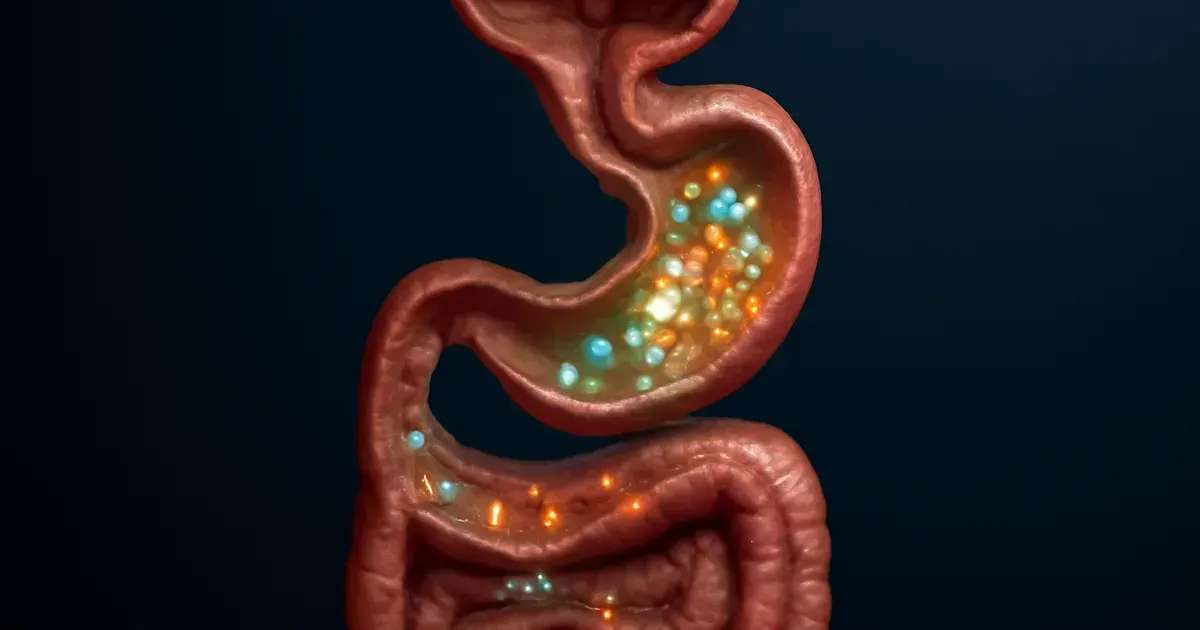
Most people cleaning their teeth have no idea their mouth is quietly waging war on their gut. You scrub, rinse, and spit — yet harmful oral bacteria may be travelling all the way to your intestines, reshaping the microbial ecosystem that governs your digestion, immunity, and even your mood. The oral–gut microbiome axis is one of the most underappreciated areas in gut health UK research right now — and what scientists are uncovering is genuinely alarming.
Research published in the journal Cancers and drawing on data from the Human Microbiome Project found that the oral cavity and gut together host more than half of all bacteria in the human body — the mouth accounts for 26% and the gut for 29% — making the conversation between these two ecosystems critical to your overall health.
1. Your Mouth and Gut Are Physically Connected — and That's a Problem
The GI tract is one continuous tube, running from your lips to your large intestine, and that anatomy matters more than most of us realise. Saliva, food particles, and the microbes living in your mouth all travel this route every single day. Under normal conditions, gastric acid and bile acids act as a checkpoint, preventing oral bacteria from colonising further down. When that barrier weakens — through stress, medication, or poor diet — the floodgates open. Actionable takeaway: Protecting your stomach acid balance (avoid unnecessary antacids) is one underrated strategy for maintaining gut microbiome UK diversity.
2. The Oral–Gut Barrier Can Break Down — With Serious Consequences
A healthy "oral–gut barrier" keeps microbial populations in their rightful habitats. But when this barrier is compromised, oral microbiota can translocate to the intestinal mucosa, seeding environments they have no business inhabiting. Gastric acid suppression — for instance, long-term use of proton pump inhibitors — is one known disruptor. Gut inflammation, poor dental hygiene, and even chronic stress can all weaken this defence. Actionable takeaway: If you are prescribed long-term acid-suppressing medication in the UK, ask your GP whether periodic microbiome monitoring is appropriate for you.
3. Gum Disease Bacteria Don't Stay in Your Gums
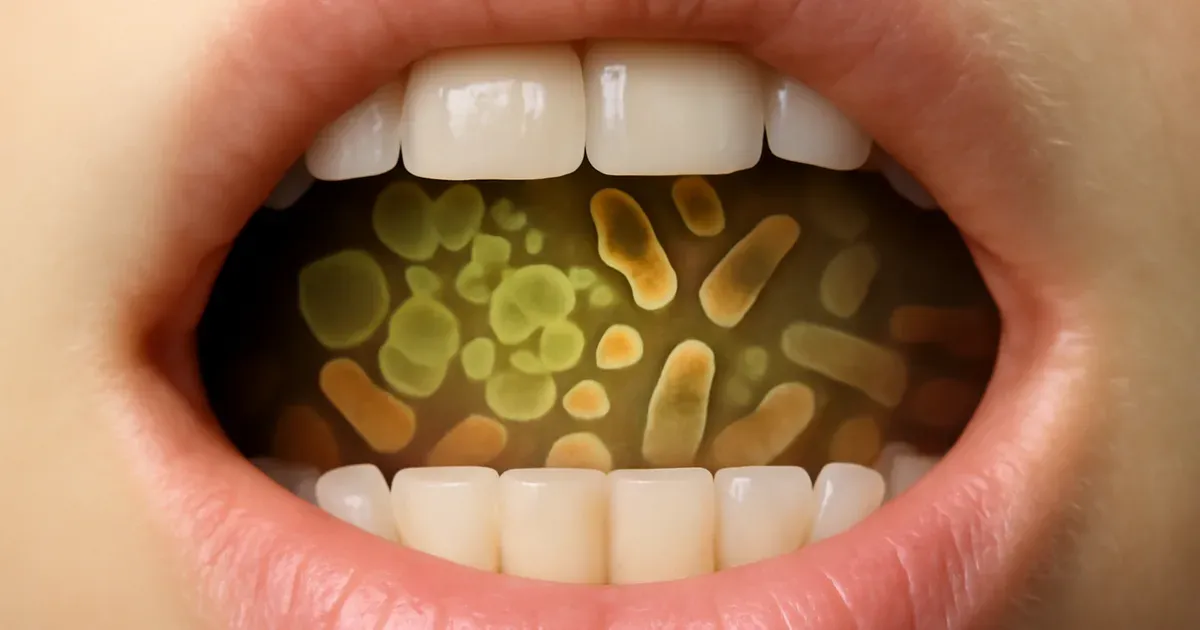
Periodontal pathogens such as Porphyromonas gingivalis and Fusobacterium nucleatum are well-established troublemakers in the mouth — but emerging research shows they are increasingly detected in gut and colorectal tissue samples. These bacteria produce toxins and inflammatory signals that can disrupt the gut lining and alter microbial balance. In the UK, roughly half of adults have some form of gum disease, meaning millions may unknowingly be seeding their guts with harmful oral microbes. Actionable takeaway: Treat dental hygiene as gut health hygiene. Twice-yearly dental check-ups aren't vanity — they're microbiome medicine.
4. The Gut Talks Back — Bidirectional Microbial Traffic Is Real
Most people assume the flow is one-way — mouth to gut — but microbial transmission also runs in reverse. Gut-to-oral microbial transfer occurs both between individuals (interpersonal, such as kissing or shared utensils) and within the same person (intrapersonal). Imbalances deep in the intestinal microbiome can ripple upwards, altering oral microbial communities and potentially worsening conditions like gingivitis or oral thrush. This bidirectional crosstalk means that improving gut health naturally can also benefit your oral health, and vice versa. Actionable takeaway: Think of oral and gut health as a two-way street — interventions at either end can influence the other.
Key insight: According to research on the oral–gut microbiome axis, oral-to-gut and gut-to-oral microbial transmissions can "shape and/or reshape the microbial ecosystem in both habitats, eventually modulating pathogenesis of disease" — a finding with profound implications for how we approach digestive health in the UK.
5. Microbiome Dysbiosis in Your Mouth Fuels Gut Inflammation
When the oral microbiome falls out of balance — a state called dysbiosis — the downstream effects on gut inflammation can be significant. Dysbiotic oral communities produce lipopolysaccharides (LPS) and other inflammatory molecules that, once swallowed, can activate immune responses in the gut lining. Over time, this persistent low-grade inflammation is linked to conditions including inflammatory bowel disease (IBD) and irritable bowel syndrome (IBS), both of which affect millions of people in the UK. The gut-brain connection means this inflammation doesn't stop at the gut — it can influence anxiety, depression, and cognitive function too. Actionable takeaway: An anti-inflammatory diet rich in fibre, polyphenols, and fermented foods — in line with the UK Eatwell Guide — supports both oral and gut microbial balance simultaneously. Consider probiotic-rich foods such as natural yoghurt, kefir, and fermented vegetables.
6. Your Diet Shapes Both Microbiomes — For Better or Worse
The British diet, on average, falls well short of the 30g of fibre per day recommended by the NHS — and this deficit hits both the oral and gut microbiomes hard. Fermentable fibres feed beneficial gut bacteria such as Bifidobacterium and Lactobacillus, which help crowd out harmful species. Meanwhile, a diet high in refined sugars creates an acidic oral environment that favours dysbiotic bacteria like Streptococcus mutans. UK microbiome research from institutions including King's College London and the University of Reading consistently highlights dietary fibre as the single most impactful lever for improving the gut microbiome UK. Actionable takeaway: Aim for 30 or more different plant foods per week — a target championed by the British Gut Project — to nourish microbial diversity at both ends of your digestive tract.

7. The Oral–Gut Axis May Be a New Frontier in Cancer Detection
Scientists are increasingly interested in whether oral microbial signatures could serve as early warning signals for gastrointestinal cancers. Specific oral bacteria — including Fusobacterium nucleatum — have been detected in colorectal cancer tissue, raising the possibility that the mouth holds diagnostic clues for gut disease. UK-based researchers at institutions such as UCL and Imperial College London are exploring how microbiome profiling could complement existing NHS bowel cancer screening pathways. This isn't clinical practice yet, but the trajectory is clear: understanding the oral–gut microbiome axis could one day save lives through earlier, less invasive detection. Actionable takeaway: Participate in NHS bowel cancer screening when invited — and watch this space as microbiome-based diagnostics move closer to clinical reality in the UK.
Your mouth is the gateway to your gut — and the science of the oral–gut microbiome axis makes clear that what happens in one ecosystem profoundly affects the other. From gum disease to gut inflammation, from the gut-brain connection to cancer risk, the evidence for treating oral and gut health as a unified system is compelling. Small, consistent actions — better dental hygiene, more dietary fibre, fewer unnecessary medications that suppress stomach acid — can meaningfully improve gut health naturally and protect your microbiome UK-wide.
You might also like
- The Oral Microbiome: Your Biggest Questions Answered
- How to Improve Your Oral & Gut Health in 6 Steps
- Oral Microbiome Supplement Claims Investigated
Frequently Asked Questions
What is the oral–gut microbiome axis?
The oral–gut microbiome axis refers to the bidirectional relationship between the microbial communities in your mouth and those in your gut. Because the GI tract is one continuous structure, bacteria from the oral cavity can travel to the intestines — and gut microbes can influence oral health in return. Researchers in the UK and globally are now studying this axis to better understand digestive disease and cancer.
Can poor oral health damage your gut microbiome?
Yes. When harmful oral bacteria such as Porphyromonas gingivalis or Fusobacterium nucleatum bypass the oral–gut barrier — which can happen when gastric acid is reduced or when the gut lining is inflamed — they can disrupt intestinal microbial balance, promote inflammation, and potentially contribute to conditions like IBD and colorectal cancer.
How can I improve both my oral and gut health naturally in the UK?
Focus on a fibre-rich diet with 30+ plant foods per week (as recommended by the British Gut Project), reduce refined sugar intake, maintain regular dental hygiene, avoid unnecessary antibiotics or acid-suppressing medications, and include fermented foods like kefir and natural yoghurt. These steps support microbial diversity in both habitats.
Is the gut-brain connection linked to oral health too?
Indirectly, yes. Oral dysbiosis can fuel gut inflammation, which in turn disrupts the gut-brain connection — the communication pathway between your intestinal microbiome and your brain via the vagus nerve and immune signalling. Chronic gut inflammation is associated with anxiety, depression, and brain fog, meaning oral health can have surprisingly far-reaching mental health implications.
Are UK researchers studying the oral–gut microbiome axis?
Yes. Institutions including King's College London, UCL, Imperial College London, and the University of Reading are all active in microbiome UK research. The British Gut Project has generated rich data on UK population microbiome diversity, and NHS bowel cancer screening programmes are a potential future platform for microbiome-based diagnostics.
96 Bacterial Strains. Two Shots a Day.
GOODIE is an award-winning fermented drink with 96 live bacterial strains — more than any yogurt or kombucha — never pasteurised, clinically tested, and 8 in 10 users felt less bloating within 14 days. Curious?