New Way to Fight Gum Disease Without Killing Good Bacteria
Scientists find blocking bacterial "talk" in dental plaque can fight gum disease while protecting good bacteria — with wider implications for gut health UK.

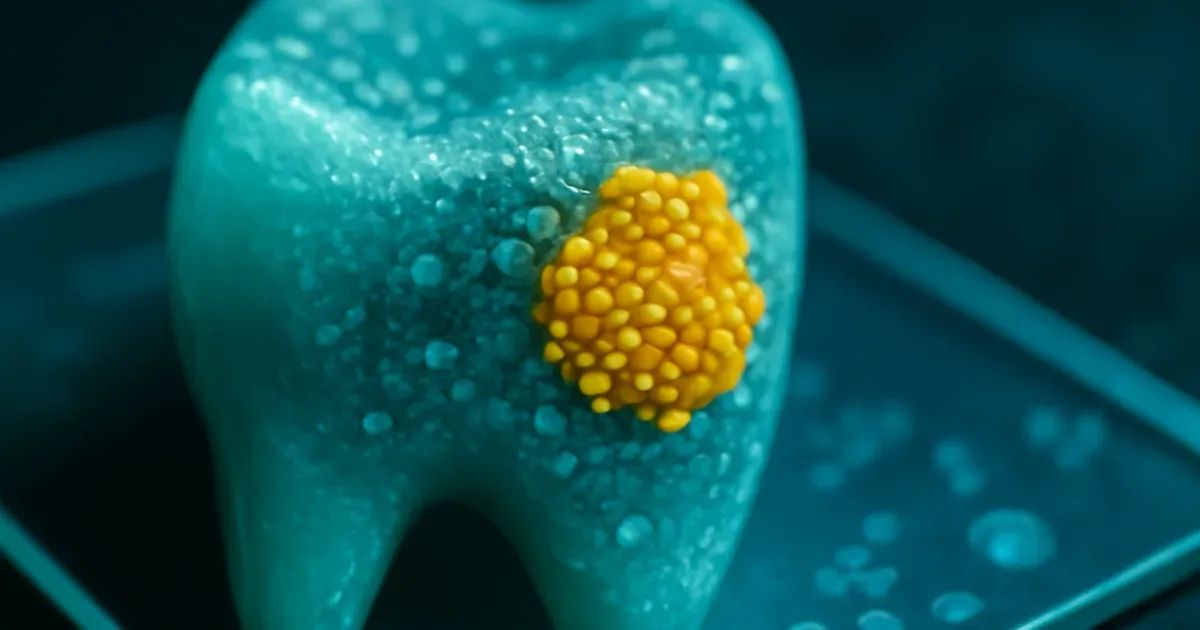
Scientists have discovered a way to combat gum disease by disrupting how bacteria communicate with each other — rather than killing them outright. The research, reported by Science Daily, focuses on dental plaque bacteria that use chemical signals to coordinate growth. By blocking these signals, researchers were able to suppress harmful bacteria while preserving the beneficial microbes that keep our mouths — and potentially our wider microbiome — healthy.
Why This Matters
Antibiotic resistance is one of the most pressing public health challenges of our time, and in the UK it is no different. As harmful microbes evolve to survive conventional treatments, scientists are urgently seeking alternatives that do not rely on broad-spectrum antibiotics or disinfectants. This is particularly relevant for oral health, where the mouth's microbiome is increasingly understood to be a critical gateway to systemic health — including gut health UK researchers are actively studying. Disrupting the oral microbiome carelessly can have knock-on effects throughout the body, including along the gut-brain axis.
Bacteria Talk — and Scientists Have Found a Way to Interrupt Them
The study found that dental plaque bacteria use chemical signals known as N-acyl homoserine lactones (AHLs) to coordinate their growth — a process called quorum sensing. According to researchers, by deploying enzymes called AHL lactonases to disrupt these signals, scientists were able to enrich commensal (beneficial) bacteria and pioneer colonisers in the oral biofilm. A 2025 study published in npj Biofilms and Microbiomes confirmed that manipulating quorum sensing in communities derived from human dental plaque shifted the microbial balance in favour of health-promoting species, rather than wiping out bacteria indiscriminately.
What This Means for Your Oral and Gut Health
The oral microbiome is directly connected to the gut microbiome — bacteria from the mouth regularly transit into the digestive tract, influencing the broader microbial community UK researchers are studying through initiatives such as the British Gut Project. Protecting beneficial oral bacteria, rather than destroying them, could therefore support gut health more broadly. Scientists report that this approach may eventually inform new dental treatments that work in harmony with our natural microbial communities, rather than against them.
The implications extend well beyond dentistry. Growing evidence supports the idea that the gut-brain connection is partly mediated by microbial signals — the same type of chemical communication that this research set out to disrupt in harmful bacteria. If similar quorum-sensing interference strategies could be applied across the microbiome UK-wide, they could represent a meaningful shift in how we improve gut health naturally, without the collateral damage associated with broad-spectrum antimicrobials.
For health-conscious adults in the UK, this research is a reminder that supporting a diverse, balanced microbiome — oral and gut alike — is likely more beneficial than aggressive approaches that destroy bacteria wholesale. Dietary strategies that naturally promote microbial diversity, such as those aligned with the UK Eatwell Guide's recommendations for high-fibre foods, remain a practical first step while this science continues to develop.
You might also like
- 7 Natural Ways to Boost GLP-1 and Gut Health
- Your Gut Microbiome & Psychedelic Therapy
- Gundry MD Mighty Reds Reviews: Gut Health Claims
96 Bacterial Strains. Two Shots a Day.
GOODIE is an award-winning fermented drink with 96 live bacterial strains — more than any yogurt or kombucha — never pasteurised, clinically tested, and 8 in 10 users felt less bloating within 14 days. Curious?