Psilocybin, Gut Health & the Social Brain
Emerging science links psilocybin to changes in gut bacteria and social behaviour via the gut-brain axis — and what it means for UK mental health.

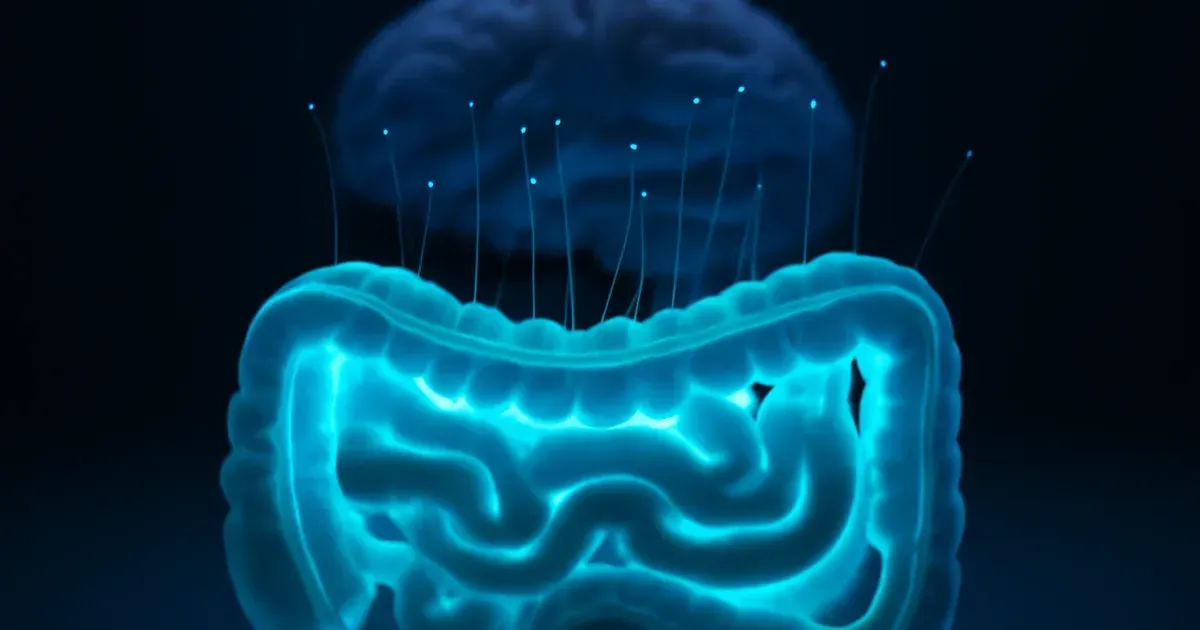
What if the key to unlocking better social connection and mental well-being lies not just in the brain — but deep inside your gut? Emerging science suggests that psilocybin, the active compound in "magic mushrooms," may do far more than alter perception. It appears to reshape the gut microbiome itself, triggering a cascade of effects along the gut-brain connection that could one day transform how we approach mental health treatment in the UK and beyond.
This is not fringe speculation. A 2025 study and a growing body of microbiome research are pointing towards a surprising overlap between psychedelic compounds, gut bacteria, and social behaviour. For anyone following gut health UK developments — or simply curious about the future of mental health science — this story is worth understanding.
The Gut-Brain Connection: More Than a Metaphor
The brain has long been treated as the body's sole command centre for mood, emotion, and behaviour. That view is rapidly changing. Researchers now recognise a powerful, bidirectional communication network known as the microbiota-gut-brain (MGB) axis — a system that links the central nervous system, the enteric nervous system (often called the "second brain"), and the trillions of microorganisms living in the digestive tract.
These microbes are not passive passengers. They actively produce neuroactive compounds, including serotonin and dopamine, that regulate mood and cognition. Remarkably, up to 95% of the body's serotonin is estimated to be produced in the gut — not the brain. When this microbial ecosystem falls out of balance, a state called dysbiosis, the consequences can reach far beyond digestion, contributing to anxiety, depression, and disrupted social behaviour.
UK microbiome research has been at the forefront of this shift. Institutions including King's College London, the University of Reading, and UCL have contributed significantly to our understanding of how gut bacteria influence mental health. The British Gut Project, one of the largest citizen science microbiome studies in the world, has helped map the diversity of gut flora across the UK population — and its links to wellbeing.
What Psilocybin Does to Your Gut Microbiome
A landmark 2025 study published in Neuropharmacology by Gattuso et al. added a striking new dimension to this field. The researchers administered psilocybin chronically to mice and observed two significant outcomes: the mice became notably more sociable, seeking out interaction with other mice, and their gut microbiome composition changed meaningfully.
The study found alterations in the abundance of specific gut bacteria following psilocybin treatment — a direct signal that the psychedelic compound was interacting with the MGB axis, not just with cortical serotonin receptors in the brain. This challenges the traditional view of psilocybin as a purely "brain-based" drug and raises compelling questions about the role of the gut in mediating its effects.
Crucially, the pro-social effects were not universal. When the researchers tested psilocybin in a preclinical model of obsessive-compulsive disorder (OCD), the same increase in sociability was not observed. This suggests that an individual's baseline neurological and microbial state may shape how they respond to psilocybin — a finding with profound implications for personalised medicine and future NHS mental health pathways.
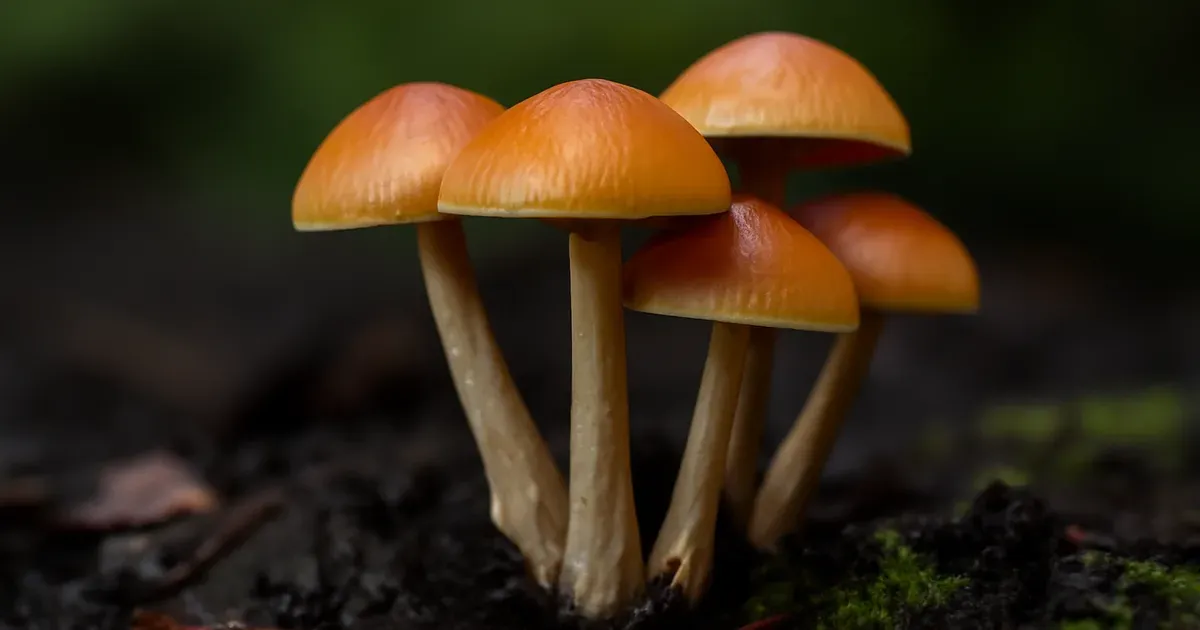
Introducing the "Psilocybiome"
The intersection of psychedelics and the gut microbiome is so significant that researchers have coined a term for it: the "psilocybiome." A 2022 review in the International Journal of Clinical and Health Psychology by Kelly et al. explored how psychedelic therapy and the MGB axis might interact across all three phases of treatment.
During the preparation phase, an individual's gut microbiome could potentially influence how they respond to a psychedelic session. Interventions such as dietary changes, increased dietary fibre, or probiotic supplementation might "prime" the gut environment for a more positive therapeutic outcome — a concept well-aligned with NHS and British Dietetic Association (BDA) guidance on nutrition and mental health.
During the administration phase, the gut microbiome may influence how psilocybin is metabolised, altering the intensity and duration of the experience. And in the integration phase — the period after therapy when lasting behavioural shifts tend to consolidate — changes in lifestyle and diet could further reshape the microbiome, creating a reinforcing loop that supports sustained mental well-being.
Serotonin: The Molecule Connecting Gut, Brain, and Psilocybin
Serotonin sits at the centre of this three-way conversation between the gut, the brain, and psilocybin. Psilocybin's psychoactive effects are primarily mediated through its binding to the 5-HT2A serotonin receptor in the brain. But given that the gut is the body's primary site of serotonin production — and that gut bacteria directly influence serotonin synthesis — the picture becomes considerably more complex.
It is increasingly plausible that psilocybin's effects on the brain are not driven solely by its direct action on cortical receptors. They may also be shaped — amplified or modulated — by its influence on gut-derived serotonin signalling. This reframes psilocybin as a compound that may engage the entire gut-brain axis, rather than acting on a single neural target.
For gut health UK researchers, this is a genuinely exciting frontier. Understanding how psychedelics modulate gut-derived neurotransmitter pathways could open new therapeutic avenues not just for conditions like depression and social anxiety, but for the broader field of psychosomatic medicine — an area where the NHS has historically lacked integrated treatment options.
What This Means for Improving Gut Health and Mental Well-Being
The "psilocybiome" concept points towards a more holistic model of mental health treatment — one that considers the whole person: mind, body, and microbiome. While psilocybin-assisted therapy remains in clinical trial phases in the UK (with organisations such as the MRC and Wellcome Trust funding early-stage research), the broader lessons from this science are immediately applicable.
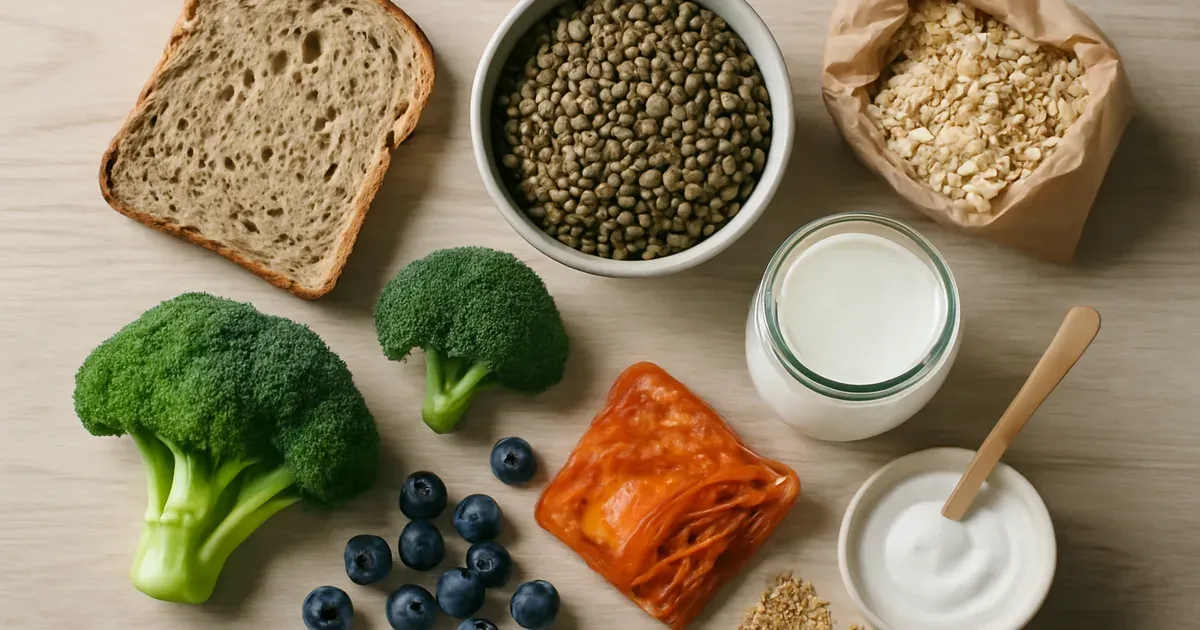
Improving gut health naturally remains one of the most evidence-based strategies available to UK adults right now. A diet rich in diverse plant foods, fermented foods, and dietary fibre — consistent with the UK Eatwell Guide — supports a thriving microbiome. The British Nutrition Foundation recommends adults consume at least 30g of fibre daily, yet most people in the UK fall significantly short of this target.
The gut-brain connection also responds to lifestyle factors beyond diet: sleep quality, physical activity, stress management, and social connection all influence microbial diversity. Interestingly, the social dimension is itself a feedback loop — the same microbiome changes that psilocybin appears to induce in preclinical models may also be nudged in healthier directions through simply spending more time in positive social environments.
For those interested in UK microbiome research, this emerging field offers a compelling reason to take gut health seriously — not just for digestive comfort, but as a potential lever for mental resilience. Whether or not psychedelic therapies eventually reach NHS pathways, the underlying science affirms what gut health researchers have argued for years: a healthy gut is foundational to a healthy mind.
The Road Ahead: UK Research and Clinical Potential
Psilocybin-assisted therapy is not yet approved by any UK regulatory body, and rigorous clinical trials are still needed to establish safety and efficacy in human populations. Imperial College London's Centre for Psychedelic Research has been a global leader in this work, with studies examining psilocybin for treatment-resistant depression showing promising early results. The Wellcome Trust has backed several of these trials, signalling growing institutional confidence in the field.
The integration of microbiome science into psychedelic research is, however, still in its infancy. Future studies will need to examine how gut microbiome composition before treatment predicts therapeutic outcomes, and whether targeted gut health interventions can genuinely improve the efficacy of psychedelic-assisted therapy. Collaborations between psychopharmacologists and microbiome scientists — of the kind already fostered at King's College London and the University of Oxford — will be essential.
What is clear is that the gut-brain connection can no longer be treated as a footnote in mental health science. It is increasingly central to how we understand mood, behaviour, and the therapeutic mechanisms of some of the most promising compounds currently under investigation.

The Bottom Line
The science of the "psilocybiome" is young, but its implications are significant. Psilocybin appears to influence not just the brain but the entire gut-brain axis — altering gut bacteria, modulating serotonin signalling, and shifting social behaviour in ways that could eventually inform new mental health treatments in the UK.
For now, the most actionable takeaway is this: the same gut health principles that underpin the British diet gut health guidance — fibre-rich foods, diverse plant intake, fermented foods, reduced ultra-processed food consumption — are also the foundations of a resilient gut-brain connection. Whether or not psychedelic therapy ever becomes part of NHS provision, nurturing your microbiome is one of the most powerful things you can do for your mental well-being today.
The gut and the brain are in constant conversation. The emerging research on psilocybin and the microbiome is simply reminding us to listen to both.
You might also like
- The Oral Microbiome: Your Biggest Questions Answered
- How to Improve Your Oral & Gut Health in 6 Steps
- Bioma Probiotic Claims Reviewed: 2026 Gut Health Findings
Frequently Asked Questions
What is the gut-brain connection and why does it matter for mental health?
The gut-brain connection refers to the bidirectional communication network — known as the microbiota-gut-brain (MGB) axis — that links the digestive system and the brain via the nervous system, immune system, and neuroactive compounds like serotonin. When gut bacteria are disrupted (dysbiosis), it can contribute to anxiety, depression, and altered social behaviour. Supporting gut health is therefore increasingly recognised as an important component of mental well-being, including by NHS and BDA guidance in the UK.
Can psilocybin really change your gut microbiome?
Preclinical research suggests yes. A 2025 study in Neuropharmacology found that chronic psilocybin administration in mice altered the composition of gut bacteria alongside increasing sociability. While human trials specifically examining psilocybin's microbiome effects are still limited, the findings strongly indicate that psilocybin interacts with the MGB axis and not just with brain receptors.
Is psilocybin-assisted therapy available on the NHS?
No — psilocybin-assisted therapy is not currently approved or available through the NHS. It remains under clinical investigation in the UK, with institutions such as Imperial College London's Centre for Psychedelic Research conducting trials, some funded by the Wellcome Trust. Regulatory approval would require large-scale human trials demonstrating consistent safety and efficacy.
How can I improve my gut-brain connection naturally in the UK?
The most evidence-based approach is dietary diversity. Aim for 30 or more different plant foods per week, meet the British Nutrition Foundation's recommendation of 30g of fibre daily, and include fermented foods such as live yoghurt, kefir, and kimchi. Reducing ultra-processed foods, managing stress, prioritising sleep, and staying physically active all support a healthy microbiome and, through it, the gut-brain connection.
What is the "psilocybiome"?
The "psilocybiome" is a term coined by researchers to describe the intersection between psychedelic therapy (particularly psilocybin) and the gut microbiome. It describes how the microbiome may influence a person's response to psilocybin, how psilocybin itself alters gut bacteria, and how post-therapy lifestyle changes may reshape the microbiome in ways that support lasting mental health improvements.
96 Bacterial Strains. Two Shots a Day.
GOODIE is an award-winning fermented drink with 96 live bacterial strains — more than any yogurt or kombucha — never pasteurised, clinically tested, and 8 in 10 users felt less bloating within 14 days. Curious?