Is Sharing a Toothbrush Bad for Your Microbiome?
About half of adults have shared a toothbrush, but experts warn it can transfer bacteria that affect both oral and gut microbiome health.

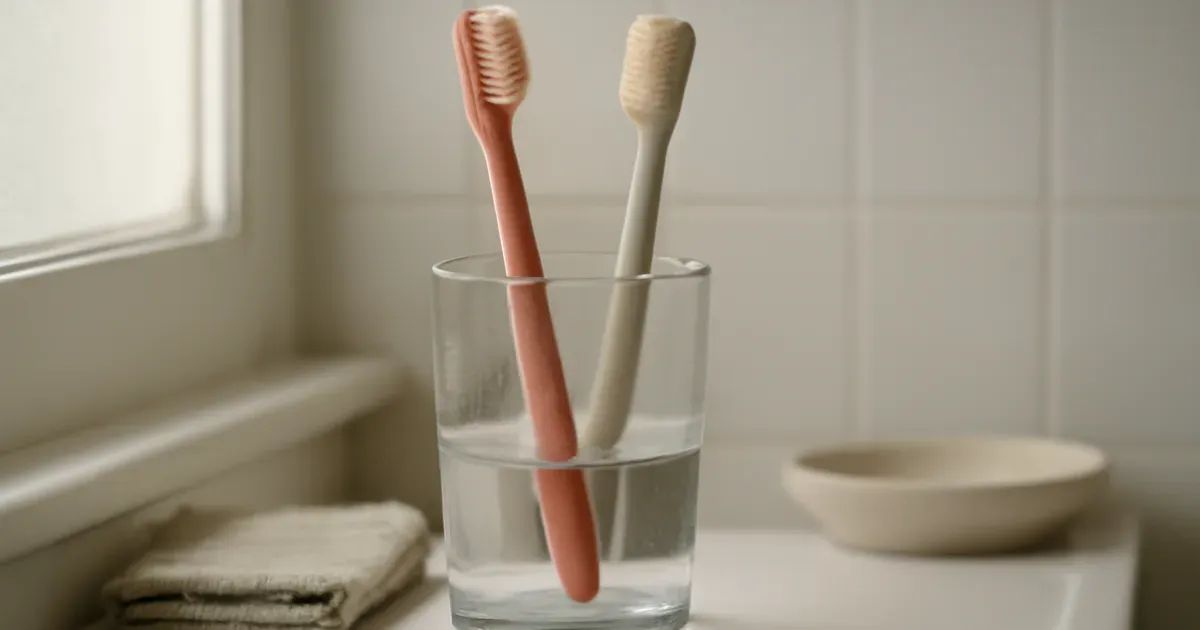
About half of all adults have shared a toothbrush at some point — most commonly between partners or between parents and young children, according to a report by ABC News. But dental and microbiome experts warn that even a single instance of toothbrush sharing can transfer bacteria, viruses, and other microorganisms between individuals, with potential consequences that extend well beyond the mouth.
Why This Matters for Oral and Gut Health
The mouth is home to hundreds of bacterial species, forming one of the most complex microbial ecosystems in the human body. Far from being isolated, the oral microbiome is directly connected to the gut microbiome — microbes swallowed from the mouth can colonise the gastrointestinal tract and influence gut health UK-wide. Research published in Nature found extensive bacterial strain sharing between individuals living in the same household, highlighting how easily microbial communities transfer through close contact. This makes everyday habits like toothbrush sharing more microbiologically significant than many people realise.
What the Experts Say About Toothbrush Sharing
According to the dental professionals consulted by ABC News, sharing a toothbrush is generally not recommended — even in an emergency. Toothbrushes can harbour blood, saliva, and oral bacteria, and transfer pathogens associated with tooth decay, gum disease, and viral infections such as cold sores. Roughly half of people surveyed admitted to sharing a toothbrush, most frequently with a spouse or intimate partner. Experts noted that the risk is elevated for anyone who is immunocompromised, has active oral infections, or has bleeding gums, per the ABC News report.
What This Means for Your Microbiome Health
For health-conscious adults in the UK, the toothbrush question is about more than dental hygiene — it touches on the gut-brain connection and the broader microbiome UK researchers are increasingly studying. A 2023 study in Nature analysing over 9,700 human metagenomes confirmed that bacterial strains spread readily within households, with distinct transmission patterns between partners and between parents and children. Protecting your oral microbiome — by not sharing toothbrushes — is one small, practical way to help improve gut health naturally and maintain a stable microbial balance.
The Takeaway
Dental experts are clear: sharing a toothbrush, even occasionally or with a trusted partner, carries a genuine risk of transferring harmful microorganisms. Given what UK microbiome research now tells us about the oral-gut axis, protecting the mouth is also a way of protecting the gut. If you are ever caught without your own toothbrush, experts suggest rinsing your mouth thoroughly with water or fluoride mouthwash as a safer short-term alternative.
You might also like
- Your Oral Microbiome & Gut Health: What to Know
- Mouth Bacteria & Gut Health: Your Questions Answered
- Six Subtle Coeliac Disease Symptoms to Never Ignore
96 Bacterial Strains. Two Shots a Day.
GOODIE is an award-winning fermented drink with 96 live bacterial strains — more than any yogurt or kombucha — never pasteurised, clinically tested, and 8 in 10 users felt less bloating within 14 days. Curious?