Vegan Gut Bacteria: Lower Diversity Risk Found
Vegans may have healthier metabolic markers but risk lower gut bacterial diversity than omnivores, University of Copenhagen researchers report.

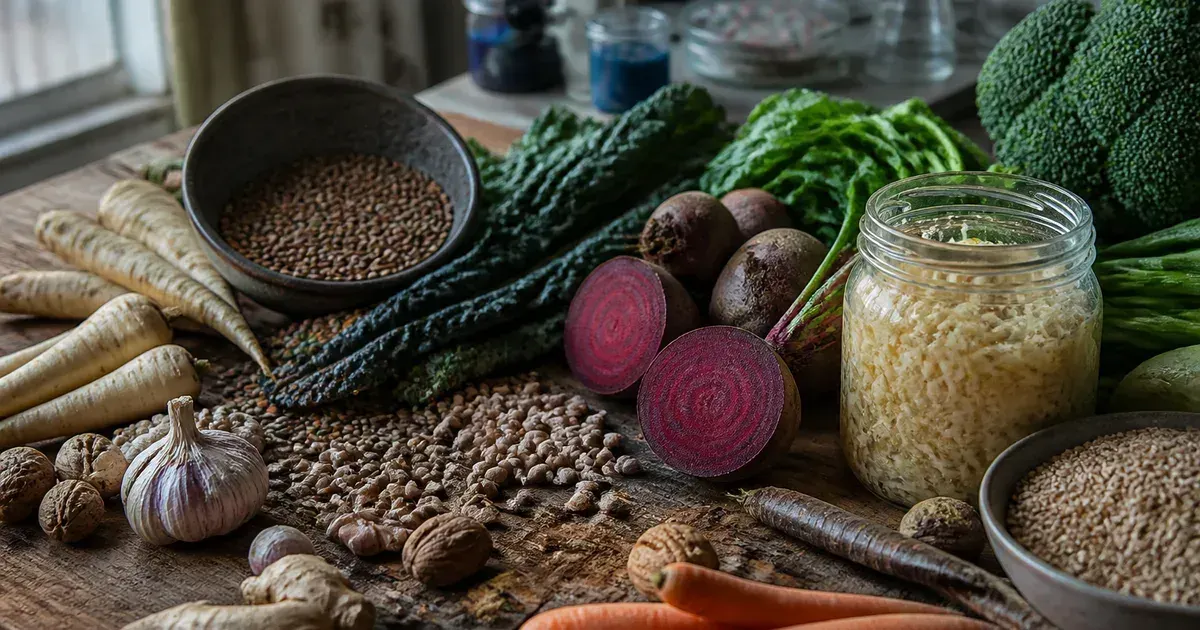
Vegans may have a healthier gut microbiome overall, but could face a greater risk of lower bacterial diversity compared with omnivores, according to a new study from the University of Copenhagen published on 18 November 2026. The finding has sparked fresh debate around diet, gut health UK researchers have been tracking for years, and what plant-based eating truly means for the trillions of microbes living in our digestive systems.
Why This Matters for UK Gut Health Research
Bacterial diversity is widely considered a cornerstone of a healthy gut microbiome. UK microbiome research — including work supported by the British Gut Project and King's College London — has consistently linked greater microbial variety to better metabolic, immune, and even mental health outcomes via the gut-brain connection. In the UK, plant-based diets have grown significantly in popularity over the past decade, making findings like this particularly timely for health-conscious consumers and NHS dietitians advising patients on dietary choices.
What the Study Found
According to the University of Copenhagen researchers, vegans demonstrated distinct gut microbiome profiles that aligned with positive markers of metabolic health — a finding consistent with a peer-reviewed study published in Microbiome examining vegan gut microbiome and metabolome characteristics. However, the study also identified that vegans may carry a risk of reduced bacterial diversity, a metric the researchers described as notable given the generally favourable health signals otherwise observed in this group. The authors urged caution in interpreting plant-based diets as universally superior for microbiome health.
What This Means for People Following Plant-Based Diets in the UK
For the growing number of people in the UK following vegan diets, the research suggests that dietary variety within a plant-based framework may be as important as cutting out animal products altogether. The British Dietetic Association recommends that those on plant-based diets pay close attention to nutritional completeness — and this study adds microbial diversity to that checklist. Consulting an NHS dietitian about prebiotic and fibre-rich food variety could be a practical next step.
The study serves as a nuanced reminder that no single dietary pattern guarantees optimal gut health. Improving gut health naturally — whether through a vegan, vegetarian, or omnivore diet — likely depends on the breadth of whole foods consumed rather than any single label. As UK microbiome research continues to evolve, understanding the relationship between specific dietary patterns and bacterial diversity will remain a key area of scientific focus.
You might also like
- New Mouth-to-Body Institute Links Oral and Gut Health
- At-Home Microbiome Tests: Can They Be Trusted?
- How to Improve Gut Health Naturally in 6 Steps
96 Bacterial Strains. Two Shots a Day.
GOODIE is an award-winning fermented drink with 96 live bacterial strains — more than any yogurt or kombucha — never pasteurised, clinically tested, and 8 in 10 users felt less bloating within 14 days. Curious?