At-Home Microbiome Tests: Can They Be Trusted?
Nature investigation finds at-home microbiome test results diverge between companies, raising questions about reliability for UK gut health consumers.

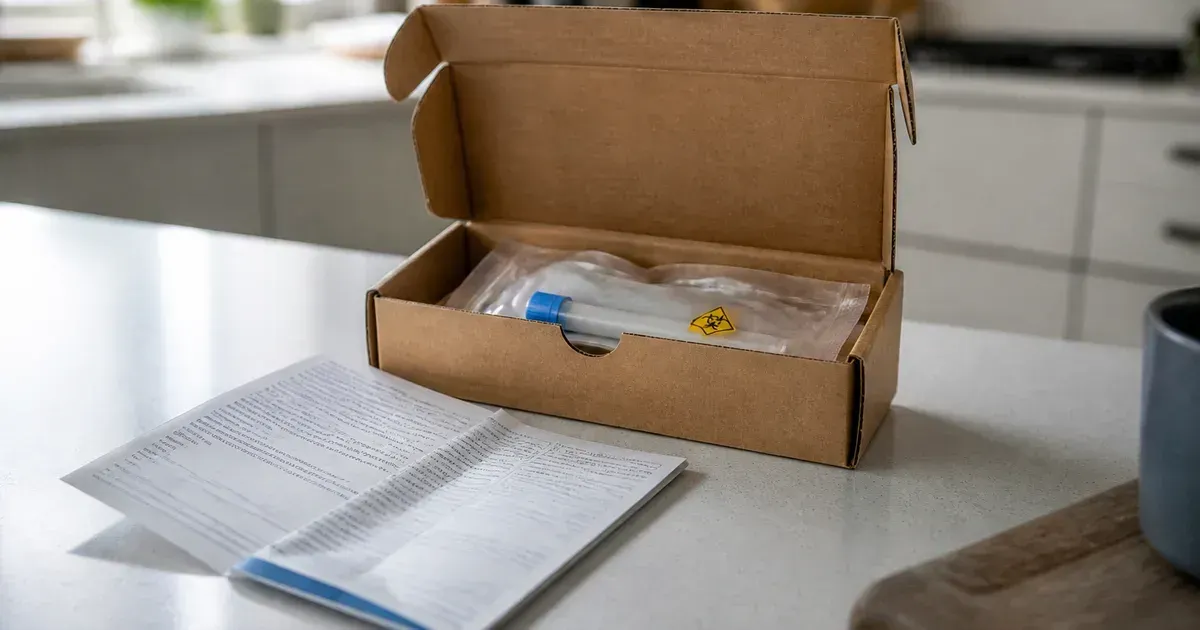
At-home microbiome testing kits are growing in popularity on both sides of the Atlantic, but new reporting from Nature raises pressing questions about how much consumers can actually trust the results. Science journalist Amber Dance mailed stool samples to two separate companies and found that their analyses — and recommendations — diverged in notable ways, casting doubt on the clinical reliability of a fast-growing industry with significant implications for gut health in the UK and beyond.
Why This Matters
Interest in gut health and the microbiome has surged across the UK, fuelled by research from institutions including King's College London, the University of Reading, and the British Gut Project. The NHS does not currently endorse direct-to-consumer microbiome testing as a diagnostic tool, yet thousands of UK adults are spending money on these kits each year. As the gut-brain connection becomes better understood — with microbiome composition increasingly linked to mood, immunity, and metabolic health — the stakes around accurate testing are rising sharply.
What the Investigation Found
According to Dance's report in Nature, one company, NirvanaBiome, identified 133 microbial species in her gut sample and rated the diversity as "excellent." However, the second company analysed the same biological material and returned meaningfully different conclusions and lifestyle recommendations. The divergence highlights a fundamental challenge: there is no standardised reference range for a "healthy" microbiome, a gap that UK microbiome researchers and bodies such as the British Nutrition Foundation have long flagged as a barrier to translating microbiome science into actionable clinical guidance.
What This Means for UK Readers
For health-conscious adults in the UK looking to improve gut health naturally, the Nature investigation serves as a timely caution. Without regulatory oversight equivalent to that applied to NHS diagnostic tests, results from commercial microbiome kits should be interpreted carefully and not used to make significant dietary or medical decisions in isolation. The British Dietetic Association advises that personalised nutrition advice should always involve a qualified dietitian.
The broader scientific picture remains genuinely exciting. UK microbiome research — including large-scale studies drawing on UK Biobank data — continues to advance understanding of how gut bacteria influence the gut-brain axis, inflammation, and long-term disease risk. But as Nature reporting underscores, the commercial testing market is running ahead of the evidence base. Until standardised methodologies and regulatory frameworks catch up, consumers are advised to treat at-home microbiome test results as indicative rather than diagnostic.
You might also like
- How to Improve Gut Health Naturally in 6 Steps
- New Mouth-to-Body Institute Links Oral and Gut Health
- How to Improve Your Oral Microbiome for Gut Health
96 Bacterial Strains. Two Shots a Day.
GOODIE is an award-winning fermented drink with 96 live bacterial strains — more than any yogurt or kombucha — never pasteurised, clinically tested, and 8 in 10 users felt less bloating within 14 days. Curious?