Vegetarian Protein Foods That Support Gut Health
A nutritionist highlights vegetarian proteins like lentils, Greek yogurt, and soy that also support gut health and the microbiome.

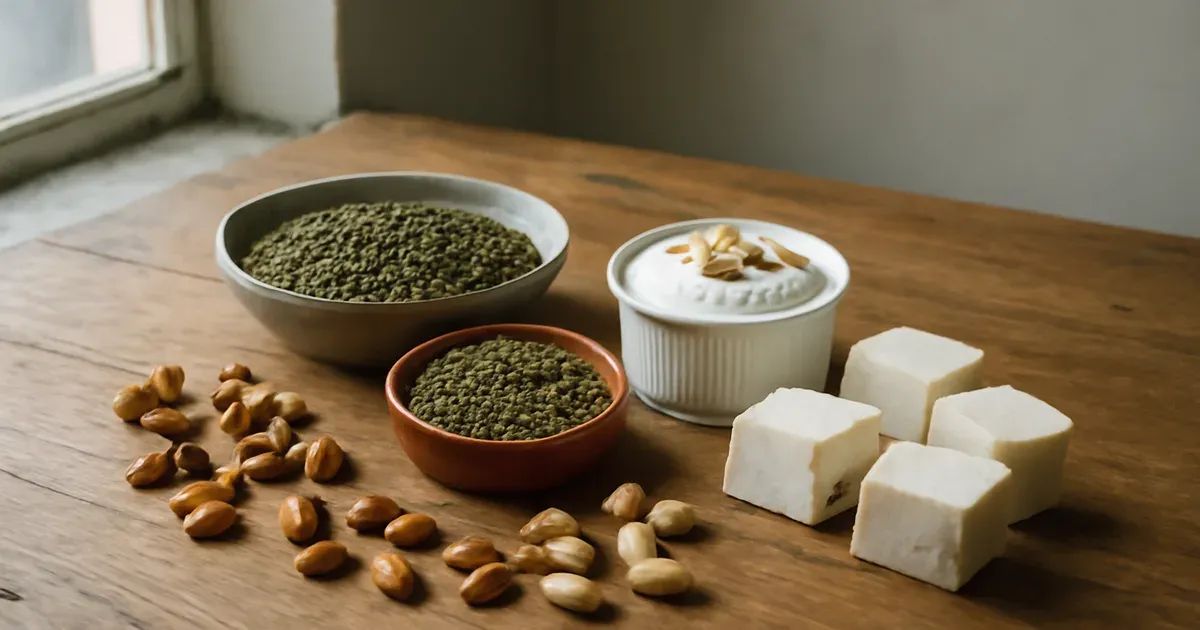
A Delhi-based nutritionist has highlighted a range of vegetarian foods that deliver ample protein while also offering meaningful benefits for gut health, according to a report published by the Times of India on 29 April 2026. The guidance challenges the persistent belief that vegetarian diets cannot reliably meet protein needs, pointing to lentils, beans, paneer, Greek yogurt, nuts, seeds, and soy products as nutritionally robust options — several of which carry direct relevance for those looking to improve gut health naturally.
Why This Matters for Gut Health in the UK
Plant-based eating is rising steadily across the UK, with an estimated 3.1 million people identifying as vegetarian, according to the Vegan Society. Yet concerns about protein adequacy persist. What is less commonly discussed is how many high-protein plant foods simultaneously act as substrates for the gut microbiome. Research from King's College London and the British Gut Project has consistently shown that dietary diversity — particularly fibre-rich, plant-based variety — is one of the strongest predictors of a healthy microbiome UK populations can achieve through everyday food choices.
Key Foods and Their Gut-Brain Benefits
Per the Times of India report, green moong (mung beans) were singled out for providing sustained energy, while paneer was noted for supporting muscle and bone health. Greek yogurt was specifically highlighted for its role in aiding gut health, attributed to its live probiotic cultures. This aligns with growing evidence in the UK microbiome research field: probiotics found in fermented dairy may help regulate the gut-brain connection by influencing the vagus nerve and neurotransmitter production, including serotonin pathways that originate largely in the gut. Nuts, seeds, and soy products were also cited as valuable protein sources.
What This Means for UK Readers Seeking Better Gut Health
For health-conscious adults in the UK, the nutritionist's recommendations map closely onto NHS gut health guidance, which encourages increased intake of fibre, fermented foods, and plant diversity. Pulses such as lentils and beans are already featured prominently in the UK Eatwell Guide. Incorporating these foods regularly is a practical, evidence-consistent strategy to improve gut health naturally while meeting daily protein requirements — without relying on meat or supplements.
The convergence of high-protein vegetarian eating and microbiome support offers a compelling case for rethinking plant-based diets not merely as an ethical or environmental choice, but as a direct investment in gut and brain health. As UK microbiome research continues to expand — supported by institutions including King's College London and the Wellcome Trust — the link between what we eat and how we think, feel, and function is becoming increasingly difficult to ignore.
You might also like
- Gut-Brain Connection & Psychedelics: Your Questions Answered
- Gut Microbiome Linked to Suicidal Tendencies
- Probiotic Strain May Help Prevent Hyperuricaemia
96 Bacterial Strains. Two Shots a Day.
GOODIE is an award-winning fermented drink with 96 live bacterial strains — more than any yogurt or kombucha — never pasteurised, clinically tested, and 8 in 10 users felt less bloating within 14 days. Curious?