What's Really Inside Your Probiotic Capsule?
A new investigation reveals what probiotic capsules actually contain and what it means for gut health UK consumers seeking microbiome support.

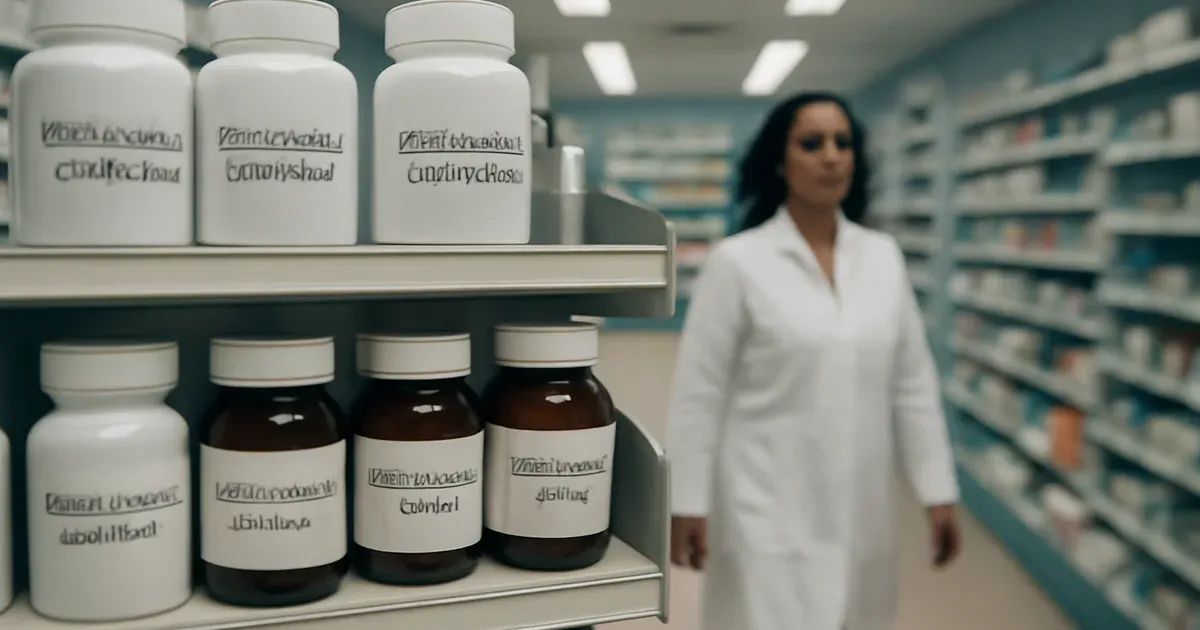
Millions of people in the UK pick up probiotic supplements from pharmacy counters every year, but few pause to scrutinise what they are actually swallowing. According to a piece published via ScienceAlert and written by researcher Berenice Langdon for The Conversation, the ingredients inside these widely purchased capsules are far more complex — and in some cases less transparent — than most consumers realise, raising important questions about their role in gut health and the broader microbiome.
Why This Matters for Gut Health UK
Interest in gut health in the UK has surged alongside growing awareness of the gut-brain connection — the bidirectional communication between the digestive system and the brain that influences mood, immunity, and cognition. Probiotics are frequently marketed as a tool to support the gut microbiome, and UK shoppers can find them stacked on pharmacy shelves, in supermarkets, and online. Yet, unlike licensed medicines regulated by the MHRA, most probiotic supplements in the UK are classified as food products, meaning claims about their efficacy face a lower regulatory bar.
The Gap Between Label and Contents
According to Langdon's investigation, when she began reading probiotic labels carefully, she found the listed ingredients raised more questions than they answered. The bacterial strains named on packaging — typically Lactobacillus or Bifidobacterium species — may not survive transit through the digestive tract in sufficient numbers to colonise the gut, per the source article. Research has also found that probiotic strains can, in rare cases, enter the bloodstream — a 2019 study in Nature Medicine provided genomic evidence of direct bacterial transmission from a probiotic capsule to the blood of ICU patients, highlighting that risk is not zero, particularly for vulnerable individuals.
What This Means for UK Consumers
For health-conscious adults hoping to improve gut health naturally, the key takeaway is one of informed caution. The British Dietetic Association recommends focusing first on dietary fibre, fermented foods, and a varied diet — all of which have robust evidence for supporting a healthy microbiome — before reaching for supplements. Anyone with a compromised immune system or a serious underlying condition should consult their GP or a registered dietitian before using probiotics regularly.
The science of the gut microbiome in the UK is advancing rapidly, with institutions such as King's College London and the British Gut Project generating valuable population-level data. Until regulatory standards for probiotic labelling are tightened, the most powerful tool a UK consumer has is reading the small print.
You might also like
- 7 Gut-Brain Secrets That Could Change Your Mental Health
- How to Improve Gut Health Naturally in 6 Steps
- Gut Health UK: How Your Microbiome Protects Your Heart
96 Bacterial Strains. Two Shots a Day.
GOODIE is an award-winning fermented drink with 96 live bacterial strains — more than any yogurt or kombucha — never pasteurised, clinically tested, and 8 in 10 users felt less bloating within 14 days. Curious?