7 Ways Meditation Transforms Your Gut Health
New research shows meditation reshapes the gut microbiome, lowers stress hormones, and supports the gut-brain connection. Here are 7 evidence-backed reasons to


Your gut is churning. Your sleep is patchy. Your mood is low — and you can't quite work out why. For millions of people in the UK, gut discomfort and stress are a daily double act, each making the other worse. Yet the solution might be simpler — and more surprising — than any supplement on the shelf. If you haven't considered meditation as a tool for improving gut health, the science says it's time you did.
A study published in the journal General Psychiatry found that Tibetan Buddhist monks who practised deep meditation for at least two hours daily showed dramatically different gut microbiome compositions compared to their secular neighbours — along with significantly lower markers for cardiovascular disease, depression, and anxiety. UK microbiome research is now catching up, and the findings are reshaping how experts think about gut health.
1. Meditation Reshapes the Gut Microbiome at a Bacterial Level
The bacteria living in your gut aren't static. The General Psychiatry study found that monks had significantly higher levels of Prevotella (42% vs 6%) and Bacteroidetes (29% vs 4%) compared to non-meditating neighbours matched for age and diet. These species are associated with reduced inflammation and improved metabolic function. The implication is striking: a regular mental practice can physically alter the microbial landscape of your digestive tract.
Why it happens: Meditation appears to influence the gut-brain connection by modulating stress hormones and inflammatory pathways, which in turn change the environment in which gut microbes thrive or decline.
Actionable takeaway: Start with just 10–15 minutes of structured meditation daily — apps such as Headspace (developed by a British founder) or Calm are widely used in the UK and provide guided programmes suitable for beginners.
2. It Lowers Cortisol — and Your Gut Feels the Difference
Chronic stress is one of the biggest threats to gut health in the UK. When cortisol — your primary stress hormone — stays elevated, it disrupts the gut lining, reduces microbial diversity, and slows digestion. Neuropsychiatrist Dr Teresa Poprawski notes that meditation has been shown to reduce levels of cortisol, epinephrine, and norepinephrine, all biological markers of stress.
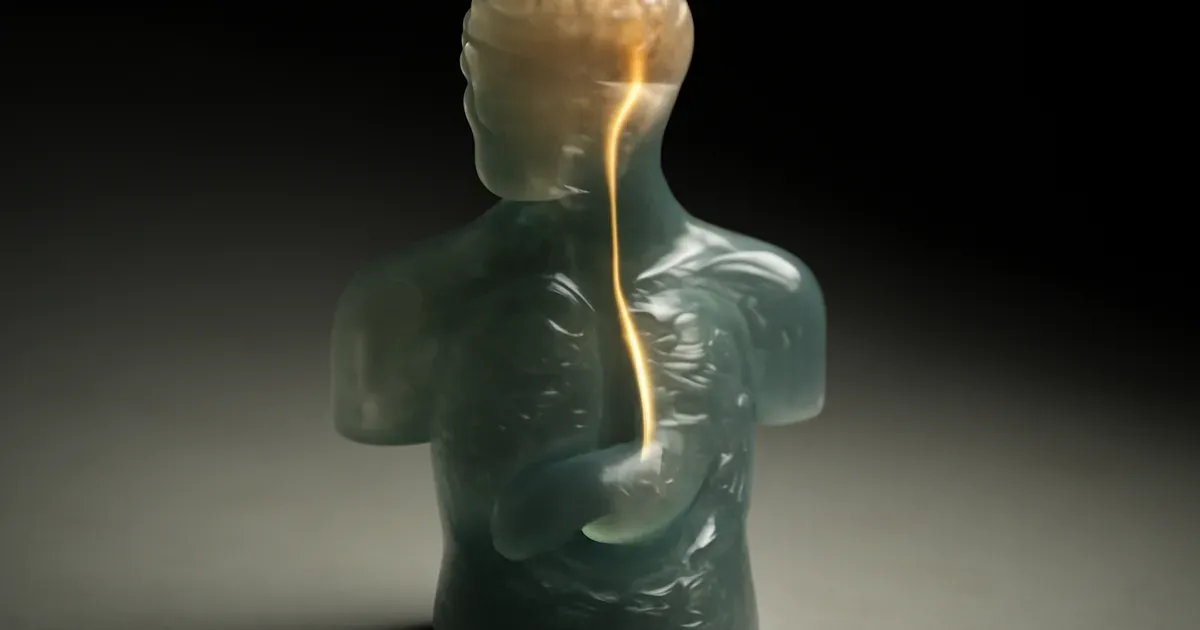
Why it happens: The vagus nerve — the central highway of the gut-brain connection — carries stress signals bidirectionally. When meditation calms the nervous system, the vagus nerve shifts the gut into a more restorative, "rest and digest" mode.
Actionable takeaway: Try diaphragmatic (belly) breathing for five minutes before meals. This simple form of breathwork activates the parasympathetic nervous system and prepares your gut for optimal digestion — a technique endorsed by gut-specialist dietitians registered with the British Dietetic Association (BDA).
3. Regular Practice Boosts Bacteria Linked to Mental Wellbeing
The gut-brain connection runs deeper than most people realise. The monks in the study showed elevated levels of Faecalibacterium and Megamonas — bacteria that have been associated with the alleviation of mental illness. Research cited in the study notes that "several bacteria enriched in the meditation group have been associated with the alleviation of mental illness, suggesting that meditation can influence certain bacteria that may have a role in mental health."
Why it happens: These bacterial species produce short-chain fatty acids and other neuroactive compounds that communicate directly with the brain via the gut-brain axis, influencing mood, cognition, and emotional regulation.
Actionable takeaway: Combine a mindfulness practice with a fibre-rich diet aligned with the UK Eatwell Guide — aim for 30g of fibre daily, the amount recommended by UK dietary guidelines — to give beneficial bacteria the fuel they need to thrive.
4. Meditation May Protect Against Heart Disease Through the Gut
Your gut microbiome influences cardiovascular risk more than most people suspect. Blood samples from the meditating monks revealed significantly lower levels of total cholesterol and apolipoprotein B — both established markers of cardiovascular disease risk — compared to their secular neighbours. UK Biobank data consistently links poor gut microbiome diversity to elevated cardiometabolic risk in British adults.
Why it happens: Specific gut bacteria regulate bile acid metabolism and lipid absorption. When meditation supports a healthier microbial balance, those protective metabolic pathways become more active, helping to keep cholesterol in check.
Actionable takeaway: If cardiovascular health is a concern, speak to your GP about an integrated approach that includes stress management. NHS pathways increasingly recognise lifestyle medicine — including mindfulness — as a first-line intervention alongside dietary guidance.
"Long-term deep meditation may have a beneficial effect on gut microbiota, enabling the body to maintain an optimal state of health." — Study authors, General Psychiatry
5. It Supports Your Immune System via Gut-Based Pathways
Roughly 70% of your immune system lives in your gut — a fact increasingly recognised by researchers at institutions such as King's College London and the University of Reading, both leaders in UK microbiome research. Dr Poprawski explains that microorganisms in the gut are directly involved in keeping invading pathogens at bay and supporting healthy immune signalling. Meditation reinforces this by reducing pro-inflammatory markers that compromise immune function.
Why it happens: The gut-brain axis includes immune signalling via microglia — the brain's primary immune cells. When gut health improves through reduced stress, microglia function more effectively, creating a positive feedback loop between mental practice and immune defence.
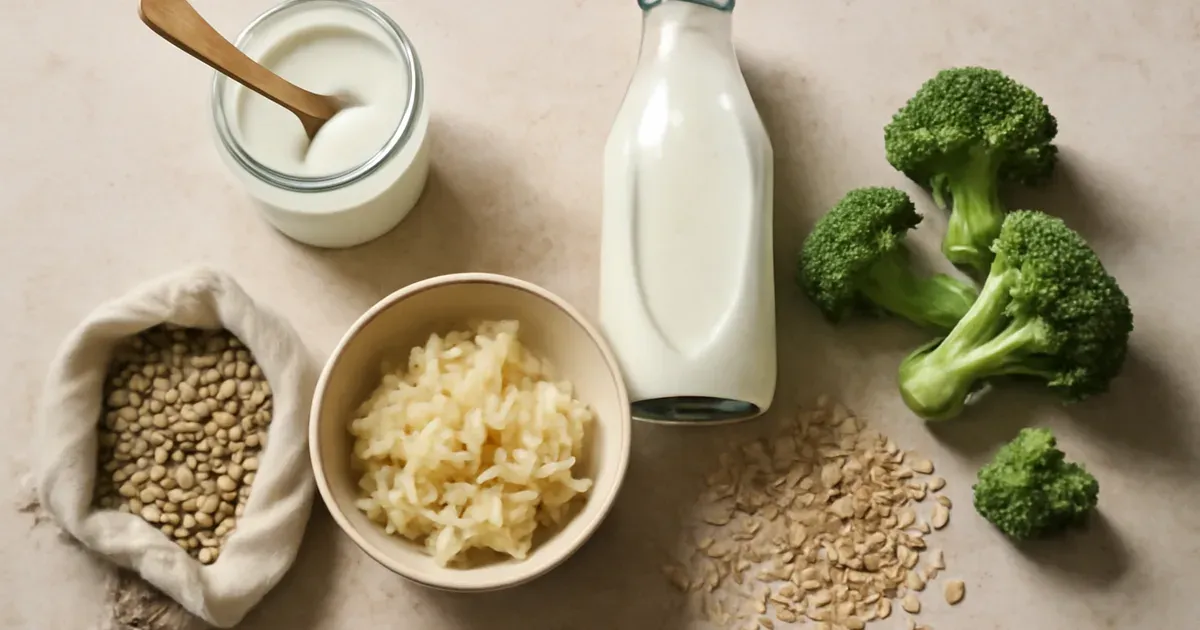
Actionable takeaway: Consider pairing your meditation practice with fermented foods — live yoghurt, kefir, and sauerkraut — which are increasingly available in UK supermarkets and support immune-relevant bacterial diversity according to the British Nutrition Foundation.
6. Mindfulness Changes the Gut's Chemical Environment
Preliminary research suggests meditation may even affect the pH of the gut — the measure of acidity or alkalinity that determines which microbes can survive there. A less acidic gut environment supports the growth of beneficial bacteria and suppresses harmful ones. Combined with research into cyclic meditation and gut-brain regulation, there is growing evidence that different meditative styles may act on distinct gut pathways.
Why it happens: Stress hormones alter gastric acid secretion and gut motility. By dampening the stress response, meditation helps restore a more balanced chemical environment throughout the digestive tract.
Actionable takeaway: If you experience symptoms of IBS — affecting around one in five people in the UK — ask your GP about mindfulness-based cognitive therapy (MBCT), which is available on the NHS in some areas and has a growing evidence base for gut-related conditions.
7. Meditators Tend to Make Better Dietary Choices — Amplifying Gut Benefits
The lifestyle habits surrounding meditation matter as much as the practice itself. Research cited in the General Psychiatry study highlights that people who meditate regularly tend to gravitate towards healthier, often more plant-rich diets. A comparison of vegans who meditate versus omnivores who don't revealed that both variables independently contributed to differences in gut microbiota composition.
Why it happens: Meditation builds interoceptive awareness — a heightened sense of what your body needs. This often translates into more mindful eating, less processed food consumption, and a naturally higher intake of dietary fibre, all of which improve gut health naturally.
Actionable takeaway: Use your meditation practice as a gateway into mindful eating. Before meals, take three slow breaths, eat without screens, and chew slowly. This habit alone can improve gut health in the UK population by reducing the stress-driven eating patterns that disrupt the microbiome.
Closing Thoughts
The evidence is clear: meditation does far more than calm the mind. From reshaping bacterial populations to lowering cardiovascular risk markers, a consistent practice offers measurable benefits to your gut microbiome and, through the gut-brain connection, to your overall health. Whether you are brand new to mindfulness or looking to deepen an existing practice, these seven mechanisms show why your gut is listening every time you sit down to breathe.
Start small. Be consistent. Your microbiome will thank you.
You might also like
- How to Improve Gut Health Naturally in 6 Steps
- How to Eat an Anti-Inflammatory Diet for Gut Health
- 7 High-Fibre Foods That Also Boost Your Gut Health
Frequently Asked Questions
How long does it take for meditation to improve gut health?
The General Psychiatry study observed significant differences in monks who had practised for between 3 and 30 years, meditating at least two hours daily. However, shorter intervention studies have noted changes in gut bacteria — including increases in Lactobacillus and Faecalibacterium — after as little as eight weeks of regular mindfulness practice. Consistency matters more than duration per session.
Can meditation help with IBS symptoms in the UK?
Yes, there is growing clinical support for this. Mindfulness-based cognitive therapy (MBCT) is available through some NHS pathways and has been shown to reduce the severity of IBS symptoms, which affect around one in five people in the UK. The mechanism involves calming the gut-brain axis and reducing stress-driven inflammation in the digestive tract.
Does it matter what type of meditation I practise for gut health?
The strongest evidence to date centres on deep, focused meditation practices — such as those studied in Tibetan Buddhist traditions. However, research also supports breath-focused mindfulness and body scan techniques. Any regular practice that meaningfully reduces cortisol and activates the parasympathetic nervous system is likely to benefit gut health.
Is gut health linked to mental health in the UK population?
Absolutely. UK microbiome research — including work from King's College London and the British Gut Project — consistently shows that gut microbiome diversity correlates with mental health outcomes. Alterations in normal gut-brain axis signalling have been linked to depression, anxiety, and even neurodegenerative conditions such as Parkinson's disease.
Should I take probiotics alongside meditation for better gut health?
Probiotics may complement the microbiome benefits of meditation, but evidence varies by strain and condition. The British Dietetic Association recommends speaking to a registered dietitian before starting any probiotic supplement. A diet rich in fibre, fermented foods, and diverse plant sources — as outlined in the UK Eatwell Guide — remains the most evidence-based dietary foundation for a healthy gut microbiome.
96 Bacterial Strains. Two Shots a Day.
GOODIE is an award-winning fermented drink with 96 live bacterial strains — more than any yogurt or kombucha — never pasteurised, clinically tested, and 8 in 10 users felt less bloating within 14 days. Curious?