How to Improve Your Oral Microbiome for Gut Health
Learn how to improve your oral microbiome for gut health UK in 4 weeks — no drastic diet overhauls needed. Science-backed, NHS-informed steps inside.


You brush twice a day, you floss occasionally, and yet something still feels off — persistent bad breath, recurrent mouth soreness, or a vague sense that your digestion is not quite right. You may have tried mouthwash after mouthwash, only to find temporary relief. What most people in the UK do not realise is that the mouth is not just the entry point to your digestive system — it is an entire ecosystem, and what happens there shapes your gut health in profound ways. This guide will walk you through exactly how to restore balance to your oral microbiome, step by step, and explain why doing so could be one of the most powerful things you do for your overall wellbeing.
Why Your Oral Microbiome Breaks Down in the First Place
The mouth is home to over 700 species of microorganisms — bacteria, fungi, viruses, archaea, and protozoa — that form intricate communities across different surfaces: your teeth, gums, tongue, cheeks, and palate. Each niche has its own pH, oxygen level, and nutrient availability, meaning the microbial cast of characters shifts depending on exactly where you look. When this ecosystem falls into dysbiosis — an imbalance between beneficial and harmful microbes — trouble begins.
Several everyday factors drive oral dysbiosis in the UK population:
- Ultra-processed foods and added sugars: The modern British diet, high in refined carbohydrates, feeds acid-producing bacteria such as Streptococcus mutans, which erode enamel and crowd out beneficial species.
- Antiseptic mouthwash overuse: Alcohol-based mouthwashes kill indiscriminately, wiping out protective bacteria alongside harmful ones and disrupting the oral microbiome's delicate balance.
- Antibiotic courses: Broad-spectrum antibiotics prescribed by GPs for unrelated infections can deplete oral microbial diversity, sometimes for months afterwards.
- Stress and poor sleep: The gut-brain connection is well established, but stress hormones also suppress salivary flow — saliva being the oral cavity's primary defence mechanism against pathogenic overgrowth.
- Mouth breathing: Drying out the oral mucosa reduces the buffering and antimicrobial properties of saliva, creating conditions that favour fungal species such as Candida albicans.
What makes this particularly relevant for gut health UK readers is the emerging science linking oral dysbiosis directly to intestinal inflammation. Bacteria from the mouth — especially Fusobacterium nucleatum and certain Treponema species — can be swallowed and, if the gut barrier is compromised, translocate into systemic circulation. Researchers at King's College London and Imperial College London have both investigated how oral pathogens influence downstream gut and systemic health, findings that are reshaping how the NHS and British dietitians think about preventive care.
Step 1: Map Your Mouth — Understand Your Personal Oral Ecosystem
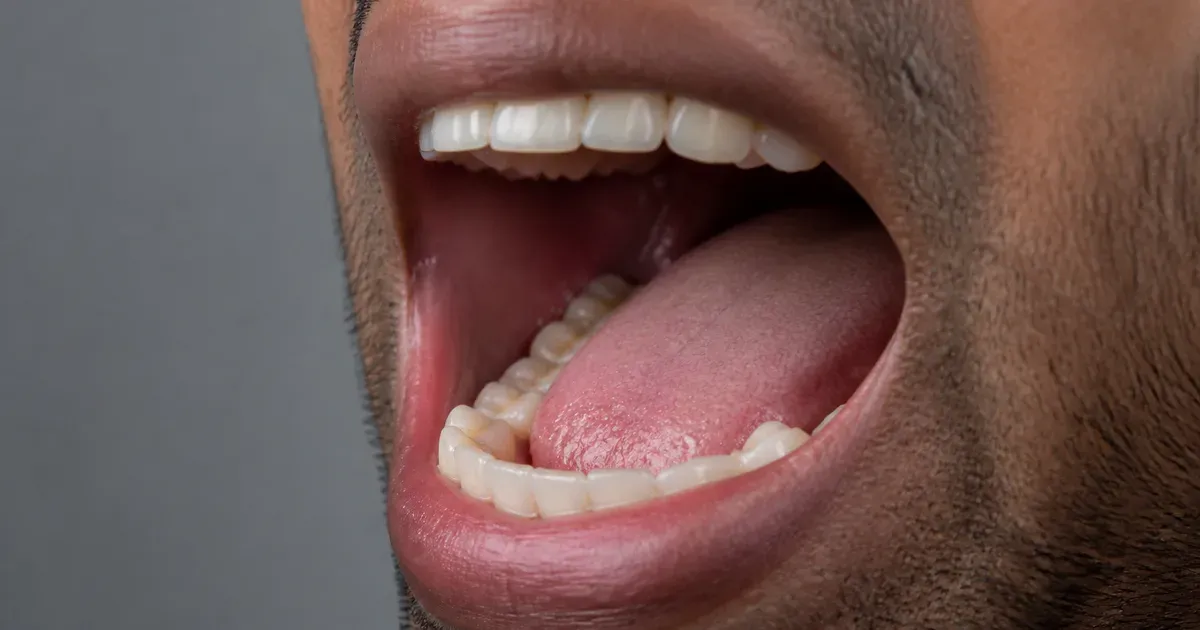
Before you can improve your oral microbiome, you need to understand what you are working with. Think of this as an audit of your oral habits and symptoms. Spend three to five days noting patterns: Does your breath worsen after certain foods? Do your gums bleed when you floss? Do you notice a white coating on your tongue in the morning? These are all signals from your microbial community.
Why this matters: Different ecological sites in the mouth harbour distinct microbial communities. The spaces between your tongue's papillae, for instance, receive little oxygenated saliva, making them a haven for anaerobic bacteria — the same group that includes Fusobacterium, Treponema, and Veillonella, all of which have been linked to systemic inflammation when populations grow unchecked. Mapping your symptoms helps you target your efforts intelligently rather than applying generic solutions.
How to do it practically:
- Keep a simple notes-app log for five days covering breath quality, gum sensitivity, tongue coating, and saliva levels at different times of day.
- Note whether symptoms worsen after high-sugar meals, alcohol, or particularly stressful days — all of which shift the oral pH and microbial balance.
- If you are in the UK, consider asking your NHS dentist for a periodontal assessment; gingival crevice health is one of the most reliable proxies for oral microbiome status.
- Photograph your tongue each morning before eating or drinking — a thick yellow-white coating is a visual indicator of fungal or anaerobic bacterial overgrowth.
Pro tip: Share your symptom log with your dentist or a registered dietitian (find one via the British Dietetic Association's directory). Connecting oral symptoms to dietary and lifestyle patterns is increasingly part of holistic gut health care in the UK.
Step 2: Restructure Your Diet Around Oral Microbiome Diversity
The single most powerful lever for improving your oral microbiome is what you eat — and the good news is that the dietary changes that benefit your oral ecosystem are almost identical to those recommended for gut health UK-wide. The UK Eatwell Guide already nudges people towards more fibre, more variety, and less ultra-processed food; following it more closely is genuinely therapeutic for your microbial communities at both ends of the digestive tract.
Fermented foods such as live-culture yoghurt, kefir, and fermented vegetables introduce beneficial Lactobacillus species into the oral environment. While most of these bacteria do not permanently colonise the mouth, they modulate pH and compete with pathogenic species during transit. Research emerging from the British Gut Project — a large citizen-science initiative run out of King's College London — consistently shows that people who eat a greater variety of plant foods harbour more diverse microbiomes, oral and gut alike.
Practical dietary shifts to make this week:
- Increase dietary fibre from vegetables, legumes, and wholegrains — the UK average fibre intake is roughly 18g per day against a recommended 30g. Fibre feeds beneficial oral and gut bacteria.
- Add polyphenol-rich foods: Green tea, dark berries, extra-virgin olive oil, and dark chocolate (above 70% cocoa) contain polyphenols that selectively inhibit oral pathogens whilst supporting beneficial species.
- Reduce free sugars to below 5% of total energy intake, as recommended by the NHS — sugar is the primary fuel for acid-producing oral bacteria.
- Chew sugar-free xylitol gum between meals — xylitol is non-fermentable by S. mutans and has well-documented evidence for reducing cariogenic bacterial load.
- Stay well hydrated throughout the day to maintain healthy salivary flow, your mouth's built-in antimicrobial rinse.
Step 3: Adopt a Microbiome-Conscious Oral Hygiene Routine
Standard oral hygiene advice — brush, floss, rinse — was designed with teeth in mind, not microbiomes. A microbiome-conscious routine does not abandon these practices; it refines them to protect beneficial bacteria whilst targeting harmful biofilms. This is where the science of oral microbiome biogeography becomes practically useful: different surfaces require different approaches.
Dental plaque is not simply "dirt" — it is a structured biofilm community. When it matures in a healthy mouth, it contains a balanced mix of species that compete with one another and prevent pathogenic dominance. Aggressive brushing with highly abrasive toothpastes or twice-daily antiseptic rinsing disrupts this balance without necessarily producing better outcomes.
Build this routine gradually:
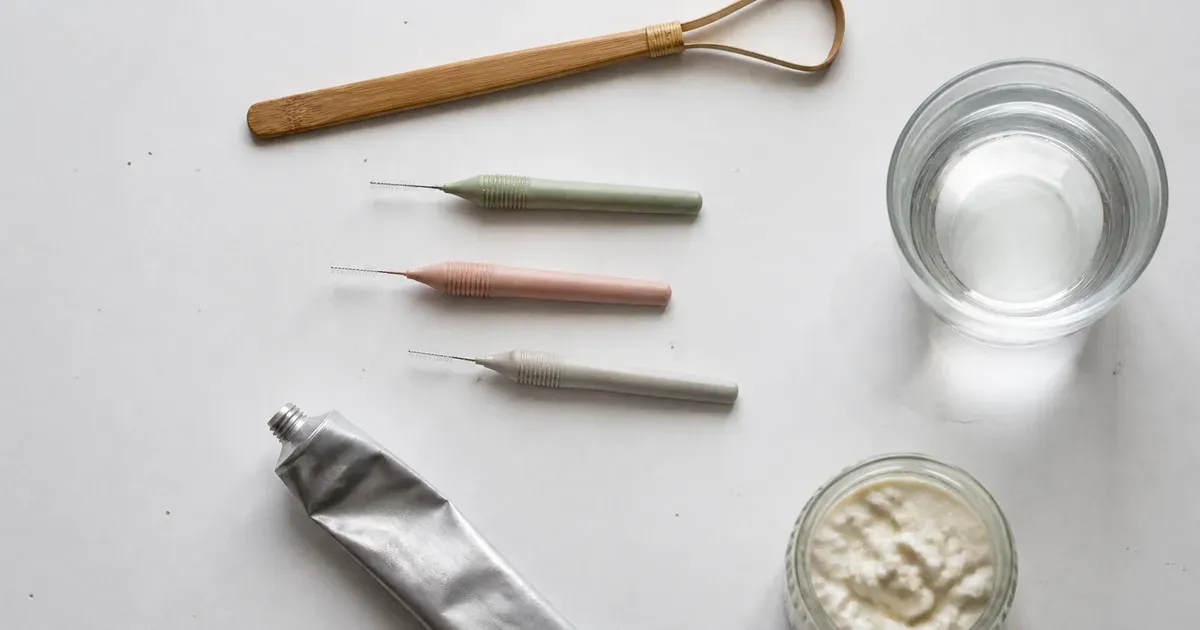
- Brush with a fluoride toothpaste (at least 1,450 ppm fluoride, as per NHS guidance) for two minutes, twice daily — fluoride protects enamel without wholesale microbial destruction.
- Floss or use interdental brushes daily to disrupt subgingival biofilm in the gingival crevice, where anaerobic species thrive in low-oxygen conditions.
- Tongue scrape every morning before eating — this mechanically reduces the anaerobic load on the tongue dorsum, the site most implicated in bad breath and dysbiotic community shifts.
- Replace alcohol-based mouthwash with an alcohol-free, fluoride-based rinse or simply warm salt water — this preserves beneficial species whilst maintaining oral hygiene.
- Wait 30 minutes after eating before brushing — acid from meals temporarily softens enamel, and immediate brushing can cause erosion that disrupts the acquired pellicle on which beneficial bacteria colonise.
Pro tip: Oil pulling with cold-pressed coconut or sesame oil for 10 minutes in the morning has mixed but growing evidence for reducing Streptococcus mutans counts. It is not a replacement for brushing, but it can be a useful adjunct for those with recurrent oral dysbiosis.
Step 4: Strengthen the Gut-Brain-Mouth Axis Through Lifestyle
Your oral microbiome does not exist in isolation — it is in constant conversation with your gut and your brain. The gut-brain connection has received enormous scientific attention in the UK and globally, but the mouth is the overlooked third node in this axis. Stress, sleep deprivation, and sedentary behaviour all suppress the immune surveillance that keeps oral microbial communities in check.
Salivary flow is the mechanism that links lifestyle to oral microbial balance. Saliva contains immunoglobulins, antimicrobial peptides, and buffering compounds that constantly regulate bacterial and fungal populations in the mouth. When you are chronically stressed or sleep-deprived, cortisol suppresses salivary gland function — saliva volume drops, pH shifts acidic, and opportunistic microbes gain the upper hand. This is why oral thrush (Candida albicans overgrowth) so frequently appears during periods of illness, stress, or antibiotic use.
Lifestyle practices that directly support your oral and gut microbiome UK health:
- Prioritise 7–9 hours of sleep: Sleep is when salivary glands recover and immune surveillance in mucosal tissues is most active.
- Manage stress through evidence-based approaches: Mindfulness-based stress reduction (MBSR) has been shown to improve salivary IgA levels — a key oral immune marker. NHS Talking Therapies can be accessed free of charge in England.
- Exercise regularly: Moderate aerobic exercise increases microbial diversity in both the gut and mouth — the British Heart Foundation recommends at least 150 minutes of moderate activity per week.
- Avoid smoking: Tobacco smoking is one of the strongest single drivers of oral dysbiosis, dramatically shifting the subgingival microbiome towards periodontal pathogens.
- Limit alcohol: Beyond its effect on gut permeability, alcohol dries the oral mucosa and alters the oral environment in ways that favour Candida and anaerobic pathogens.

What to Expect: A Week-by-Week Timeline
Week 1 — Audit and Foundation: You complete your symptom log, begin dietary adjustments, and introduce tongue scraping and interdental cleaning. Expect little visible change yet — microbial communities shift slowly.
Week 2 — Early Signals: Many people notice improved breath by the end of week two as tongue dorsum anaerobic load decreases and dietary changes begin altering the oral pH environment. Gum sensitivity may temporarily increase as biofilm disruption occurs — this is normal and usually resolves.
Weeks 3–4 — Consolidation: Salivary quality typically improves as hydration and stress management take effect. Tongue coating should be visibly reduced. Some individuals notice improved digestion and mood — early evidence of the gut-brain connection responding to upstream oral changes.
Beyond four weeks: Oral microbiome composition shifts are measurable at around six to eight weeks of consistent dietary and hygiene changes. If you have ongoing symptoms of periodontal disease, persistent thrush, or significant digestive issues, seek assessment through your NHS GP or dentist — do not delay clinical care in favour of self-managed protocols.
Mistakes That Slow Your Progress
- Over-relying on antiseptic mouthwash as a shortcut — it is the oral equivalent of taking antibiotics for every minor infection: effective short-term, destructive long-term.
- Ignoring the tongue: Most people focus exclusively on teeth, leaving the tongue dorsum — the richest anaerobic niche in the mouth — completely unaddressed.
- Making dramatic dietary changes overnight: Sudden large increases in fibre can cause gas and bloating as gut bacteria adapt; build up gradually over two to three weeks.
- Treating oral and gut health as separate concerns: In the UK, dental and medical care are largely siloed. Advocate for yourself by connecting symptoms across both systems when speaking to your GP or dentist.
- Stopping probiotic-rich foods too soon: Fermented foods need consistent, ongoing consumption to exert benefits — a one-week trial tells you very little.
What Can Help You Get There Faster
Evidence-based supplements and tools can accelerate progress when layered on top of dietary and lifestyle changes — but they should complement, not replace, the foundational steps above.
1. Oral probiotic lozenges: Products containing Lactobacillus reuteri and Lactobacillus salivarius are specifically formulated to colonise oral surfaces. Look for products with clinical evidence; the British Nutrition Foundation advises scrutinising probiotic claims carefully.
2. Prebiotic-rich functional foods: Chicory root, Jerusalem artichokes, and leeks contain inulin-type fructans that feed beneficial oral and gut bacteria. These are increasingly available in UK supermarkets and are a food-first alternative to supplement powders.
3. At-home microbiome testing: UK-based services now offer oral and gut microbiome sequencing, providing personalised data on species composition. While the clinical utility of consumer microbiome tests is still debated, they can provide motivating baseline data and help track progress. The British Gut Project also accepts citizen-science participants — check their website for current enrolment.
✅ Your Step-by-Step Summary
- ☑ Step 1: Map your oral symptoms over five days — log breath, gum health, tongue coating, and saliva.
- ☑ Step 2: Restructure your diet — increase fibre to 30g daily, add polyphenol-rich foods, reduce free sugars.
- ☑ Step 3: Adopt a microbiome-conscious oral hygiene routine — tongue scrape, interdental clean, switch to alcohol-free rinse.
- ☑ Step 4: Support the gut-brain-mouth axis — prioritise sleep, manage stress, exercise regularly, avoid smoking and excess alcohol.
- ☑ Track progress at weeks 2 and 4 — note breath, gum health, tongue appearance, and digestion.
- ☑ Seek NHS assessment if symptoms of periodontal disease, persistent thrush, or digestive issues persist beyond four weeks.
Your mouth is the beginning of your gut — and your gut is the foundation of your brain health. The science connecting the oral microbiome to the gut-brain connection is evolving rapidly, with UK institutions at the forefront of this research. Small, consistent changes to what you eat, how you clean your mouth, and how you manage stress can produce measurable shifts in your microbial communities within weeks. Start with the step that feels most achievable today — whether that is buying a tongue scraper, adding a portion of fermented food, or simply drinking an extra glass of water — and build from there. Your microbiome responds to kindness and consistency.
You might also like
- Microbiome Science Drives Viome's Disease Prevention Push
- Oral Microbiome & Gut Health: Your Questions Answered
- Circadian Nutrition & Gut Health UK: Key Insights
Frequently Asked Questions
Does the oral microbiome really affect gut health?
Yes — and the evidence is growing. The mouth is the gateway to the digestive tract, and microorganisms swallowed from the oral cavity can survive passage to the gut, particularly in individuals with compromised gut barrier function. Species such as Fusobacterium nucleatum, found in the gingival crevice, have been detected in colorectal tissue, and UK researchers are actively investigating the oral-gut microbiome axis as a target for disease prevention.
Can I improve my oral microbiome without expensive supplements?
Absolutely. The most evidence-based interventions are free or low-cost: dietary fibre from wholegrains and vegetables, adequate hydration, tongue scraping, interdental cleaning, and stress management. Supplements can be useful adjuncts but are not necessary for meaningful improvement in oral microbial diversity.
How long does it take to restore a healthy oral microbiome?
Most people notice early improvements — particularly in breath and tongue coating — within two weeks of consistent dietary and hygiene changes. Measurable shifts in microbial community composition typically require six to eight weeks. Chronic conditions such as periodontal disease may require longer, and professional dental care should be sought alongside self-managed lifestyle changes.
Is mouthwash bad for the microbiome?
Antiseptic, alcohol-based mouthwash used daily is increasingly considered disruptive to the oral microbiome. A widely cited study found that twice-daily use of chlorhexidine mouthwash reduced oral nitrate-reducing bacteria — species important for cardiovascular health — with effects lasting beyond the period of use. For everyday use, alcohol-free fluoride rinses or salt water are preferable.
Should I talk to my NHS GP about my oral microbiome?
Yes, particularly if you have persistent symptoms. While oral microbiome science is not yet standard in NHS primary care consultations, GPs are increasingly aware of the connections between oral health, gut health, and systemic disease. Raising concerns about recurrent oral thrush, bleeding gums, or persistent bad breath alongside digestive symptoms will help your GP consider a broader picture — and may warrant referral to a periodontist or registered dietitian.
96 Bacterial Strains. Two Shots a Day.
GOODIE is an award-winning fermented drink with 96 live bacterial strains — more than any yogurt or kombucha — never pasteurised, clinically tested, and 8 in 10 users felt less bloating within 14 days. Curious?