7 Body Type Signs That Reveal Your Gut Health
Discover 7 body type signs that reveal your gut health status, with UK microbiome research and actionable tips to improve gut health naturally.


You've stared in the mirror wondering why your body looks and feels the way it does — and generic diet advice never quite fits. Whether you carry weight around your middle, struggle to build muscle, or bloat after every meal, your body type may be telling you something far more interesting than you realise. Understanding the link between your somatotype and your gut health could be the missing piece in your wellness puzzle. Read on before your next meal.
A growing body of UK microbiome research — including work from King's College London's PREDICT study — confirms that two people eating identical meals can have dramatically different blood sugar and gut microbiome responses, partly shaped by their body composition and metabolic type.
1. Your Frame Size Signals Your Microbiome Diversity
Bone frame size — small, medium, or large — is more than a clothing measurement. Research increasingly links skeletal frame and body composition to the diversity of gut bacteria. People with larger frames and higher lean mass tend to host a broader range of microbial species, which is associated with better metabolic health. In the UK, Biobank data has helped scientists map how body composition correlates with microbiome profiles at population scale. Actionable takeaway: Regardless of frame size, eating 30 or more different plant foods per week — a goal championed by the British Gut Project — is the single most effective way to boost microbial diversity.
2. Ectomorph Traits Often Mask Hidden Gut Imbalances
If you're naturally lean, long-limbed, and struggle to gain weight, you may be an ectomorph — and your gut deserves closer attention than you might expect. Ectomorphs frequently under-eat dietary fibre and calories, which can starve beneficial gut bacteria and reduce the production of short-chain fatty acids (SCFAs) that protect the gut lining. A poor SCFA supply is linked to increased intestinal permeability, sometimes called "leaky gut," which affects energy regulation via the gut-brain connection. Actionable takeaway: Prioritise calorie-dense, fibre-rich foods like oats, lentils, and avocado — staples that align with the UK Eatwell Guide and feed your microbiome simultaneously.
3. The Mesomorph–Gut Advantage Is Real — But Fragile
Mesomorphs — naturally muscular, with balanced proportions and moderate body fat — tend to have the most metabolically flexible gut environments. Higher muscle mass is associated with greater microbial richness, partly because muscle tissue influences insulin sensitivity and reduces systemic inflammation that can disrupt gut bacteria. UK Biobank findings suggest that individuals with healthier body composition scores tend to report fewer digestive complaints. However, mesomorphs who eat a low-variety British diet — heavy on ultra-processed foods — can erode this advantage quickly. Actionable takeaway: Maintain your gut edge by rotating protein sources (legumes, oily fish, eggs) and adding fermented foods like kefir or live yoghurt regularly.
4. Endomorph Body Patterns and the Gut-Brain Connection
Endomorphs — who tend to gain weight easily, carry more body fat, and find it hard to lose weight — often experience the most pronounced gut-brain axis disruption. Higher adiposity (body fat) is associated with lower microbial diversity and elevated levels of lipopolysaccharide-producing bacteria, which drive low-grade inflammation. This inflammation travels via the vagus nerve, contributing to mood changes, brain fog, and fatigue — classic symptoms many endomorphs report. A 2025 scoping review confirmed that somatotype meaningfully predicts physiological performance profiles across elite populations, underscoring how body type shapes biological responses at a systemic level. Actionable takeaway: Focus on reducing ultra-processed food intake and increasing soluble fibre (oats, apples, chicory root) to shift your gut microbiome composition over time.

Did you know? The British Gut Project — one of the largest citizen science microbiome studies in the world — found that diet variety is a stronger predictor of gut microbiome health than any single "superfood." Participants who ate 30+ plant types weekly had measurably more diverse gut bacteria than those eating fewer than 10.
5. Bloating After Carbs Is a Gut Microbiome Message
If a plate of pasta leaves you tired, bloated, and foggy for hours, your gut bacteria — not your willpower — are likely responsible. This carbohydrate sensitivity is common in endomorphic and ecto-endomorphic body types and reflects how your microbiome ferments certain carbohydrates. An overgrowth of gas-producing bacteria, combined with low populations of beneficial Bifidobacterium or Lactobacillus species, amplifies post-meal discomfort. Improve gut health naturally by trialling a low-FODMAP approach (well-supported by NHS dietitians and the British Dietetic Association) if bloating is persistent. Actionable takeaway: Keep a two-week food and symptom diary — a method recommended by NHS gut health pathways — to identify your personal carbohydrate triggers before cutting any food group.
6. Your Shoulder-to-Hip Ratio Reflects Hormonal and Microbial Patterns
The ratio of your shoulder width to hip width is a rough proxy for hormonal balance — and hormones are deeply intertwined with your gut microbiome. A pear-shaped distribution (hips wider than shoulders) is associated with higher oestrogen dominance, while broader-shouldered builds often reflect higher androgen levels. The gut microbiome — specifically a collection of bacteria called the "estrobolome" — actively metabolises and recirculates oestrogen in the body. Disruption of these bacteria, through antibiotics or a low-fibre diet, can shift hormonal balance and alter body fat distribution over time. Actionable takeaway: Support your estrobolome with cruciferous vegetables (broccoli, kale, Brussels sprouts) and prebiotic-rich foods, widely available across UK supermarkets.
7. Wrist Circumference as a Proxy for Metabolic Gut Risk
The simple wrist test — wrapping your thumb and middle finger around your opposite wrist — gives a surprisingly useful clue about your frame density and metabolic profile. A gap between your fingers (indicating a larger frame) is associated with greater insulin resistance risk, which in turn correlates with reduced gut microbiome diversity in UK population studies. The gut-brain connection means that metabolic disruption doesn't stay in the body — it affects cognition, mood, and stress resilience via bidirectional signalling along the vagus nerve. Researchers at Imperial College London and the University of Nottingham have both investigated how metabolic phenotype and gut bacteria interact in large UK cohorts. Actionable takeaway: If you have a larger frame, prioritise regular physical activity and a high-fibre diet — both are proven in UK clinical guidelines to improve insulin sensitivity and microbiome UK diversity simultaneously.
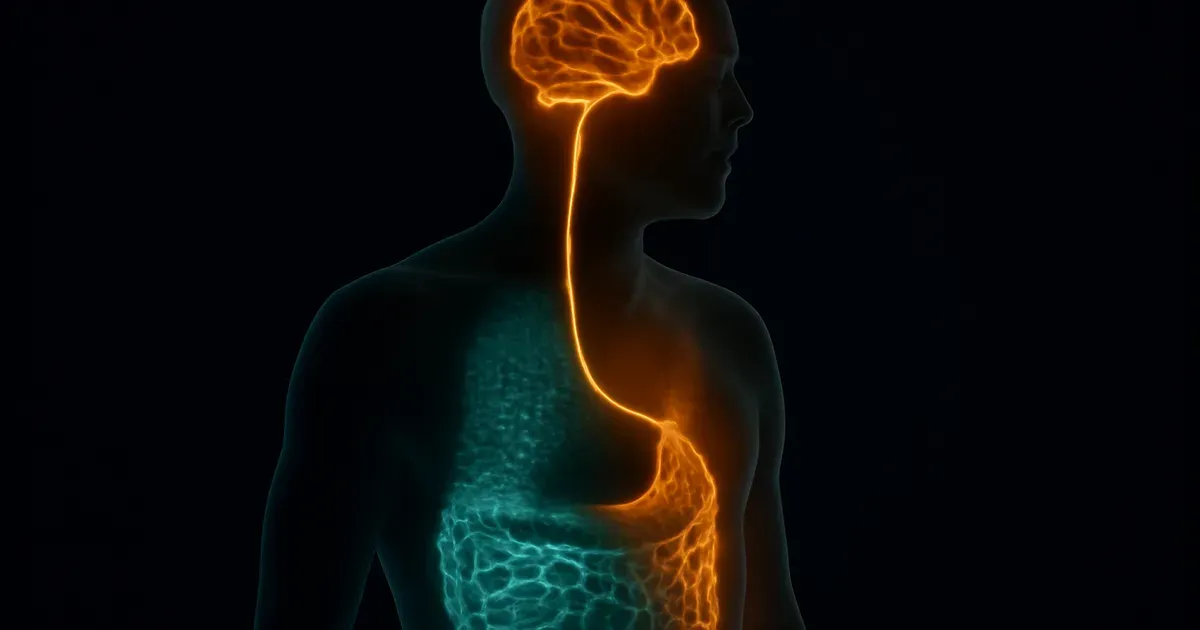
Your body type is not your destiny — it's a starting point. The seven signs above show that ectomorph, mesomorph, and endomorph traits each come with distinct gut microbiome patterns and gut-brain connection implications. Improving gut health naturally in the UK starts with understanding your individual biology rather than following one-size-fits-all advice. Use these insights to personalise your diet, support your microbiome, and feel genuinely better in your own body.
You might also like
- How to Boost GLP-1 Naturally for Gut Health
- How to Improve Gut Health Naturally (No Fad Diets)
- Gut-Brain Connection & Psychedelics: Your Questions Answered
Frequently Asked Questions
Does your body type actually affect your gut microbiome?
Yes — body composition and somatotype influence the gut environment in measurable ways. Higher body fat is linked to lower microbial diversity, while greater muscle mass tends to support a richer microbiome. UK Biobank research and studies from King's College London confirm that metabolic phenotype shapes which bacterial species thrive in your gut.
Can I improve gut health naturally even if I'm an endomorph?
Absolutely — and diet variety is the most powerful lever available to you. The British Gut Project found that eating 30 or more different plant foods weekly dramatically increases gut microbiome diversity, regardless of body type. NHS gut health guidance also supports reducing ultra-processed foods and increasing soluble fibre as first-line steps.
What is the gut-brain connection and why does it matter for body type?
The gut-brain connection refers to the bidirectional communication network between your digestive system and your brain, primarily via the vagus nerve. Different body types experience this axis differently — endomorphs with higher adiposity often report more mood disruption, brain fog, and fatigue linked to gut-driven inflammation. Supporting your microbiome directly supports cognitive and emotional wellbeing.
Is the NHS doing anything about gut health and body composition research in the UK?
Several UK institutions are actively researching this area. The NHS supports dietary interventions for metabolic conditions that overlap with gut health, while academic bodies including the MRC, Wellcome Trust, and BBSRC fund microbiome UK research. The British Dietetic Association publishes evidence-based guidance on gut health for UK adults.
How do I find out my body type without going to a lab?
A simple self-assessment using visual cues, wrist circumference, and weight history patterns can give a reliable indication of your somatotype. Questions about where weight accumulates, how quickly muscle builds or fades, and how your body responds to carbohydrate-heavy meals are all diagnostic clues. For a precise measurement, a DEXA body composition scan is available privately in the UK and through some NHS pathways for clinical need.
96 Bacterial Strains. Two Shots a Day.
GOODIE is an award-winning fermented drink with 96 live bacterial strains — more than any yogurt or kombucha — never pasteurised, clinically tested, and 8 in 10 users felt less bloating within 14 days. Curious?