Gut Bacteria Linked to Muscle Strength and Ageing
Scientists link specific gut bacteria to muscle strength, with implications for healthy ageing and gut health in the UK. New research reported May 2026.

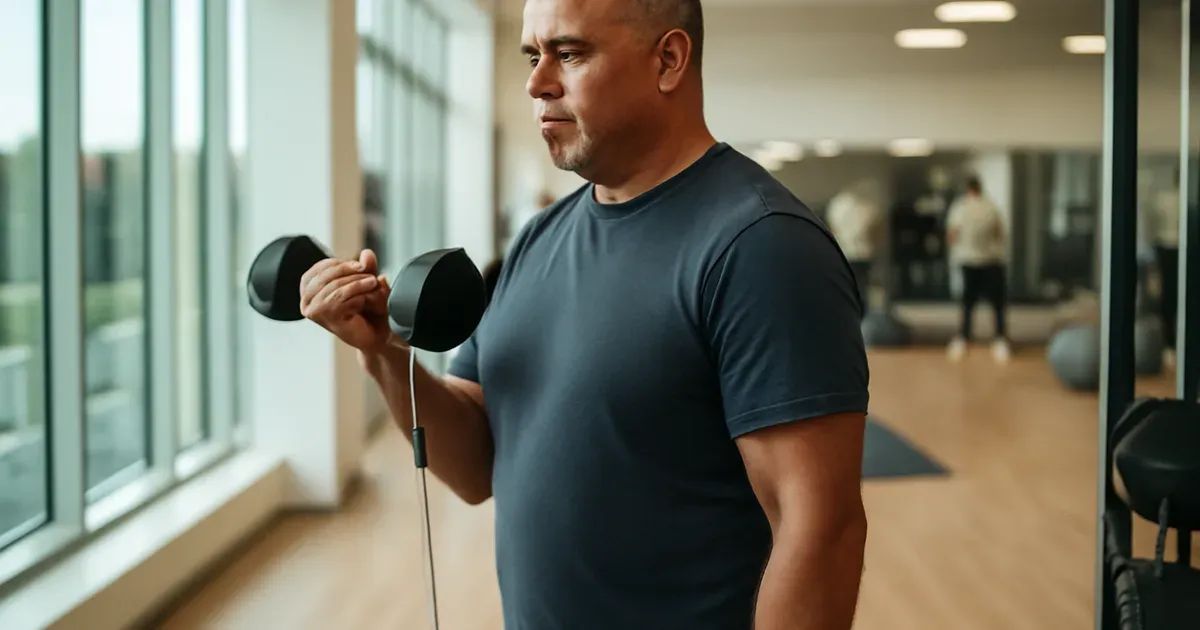
Scientists have identified a link between specific gut bacteria and muscle strength, according to new research reported by The Independent on 1 May 2026. The findings suggest that the composition of the gut microbiome may play a meaningful role in physical resilience as we age — raising fresh questions about how improving gut health naturally could help older adults in the UK maintain their independence for longer.
Why This Matters
Muscle strength is a critical marker of healthy ageing. As the UK population grows older — with the Office for National Statistics projecting that more than one in four people will be aged 65 or over by 2050 — conditions such as sarcopenia (age-related muscle loss) place an increasing burden on NHS services. UK microbiome research has already established strong connections between the gut and systemic health, but this latest work adds a significant new dimension: that the gut-brain and gut-body axes may directly influence musculoskeletal function.
The Science Behind the Finding
According to researchers, certain strains of gut bacteria appear to be associated with greater muscle strength in study participants. The study found that individuals with higher levels of these specific microbes tended to demonstrate better physical performance. This association between gut microbiome composition and muscle strength represents a potentially transformative target for interventions aimed at slowing the physical decline linked to ageing, according to the source reporting. The research contributes to a growing body of evidence — including work from institutions such as King's College London and the University of Reading — that positions the microbiome UK scientists are studying as central to whole-body health.
What This Means for UK Adults
For health-conscious adults in the UK, the findings point towards a plausible pathway: nurturing a diverse gut microbiome through diet may not only support digestive wellbeing but could also help preserve muscle function later in life. The UK Eatwell Guide already encourages fibre-rich diets, which are known to feed beneficial gut bacteria. If the gut-brain connection extends meaningfully to muscle physiology, dietary and probiotic strategies could one day form part of NHS-supported healthy-ageing programmes.
The research adds momentum to efforts by UK scientists to understand how improve gut health naturally interventions — from dietary fibre to fermented foods — might translate into measurable physical benefits for an ageing population. Further clinical work will be needed to establish whether modifying gut bacteria can directly improve muscle outcomes, but the direction of travel is clear.
You might also like
- How to Boost GLP-1 Naturally for Gut Health
- How to Improve Gut Health Naturally (No Fad Diets)
- Gut-Brain Connection & Psychedelics: Your Questions Answered
96 Bacterial Strains. Two Shots a Day.
GOODIE is an award-winning fermented drink with 96 live bacterial strains — more than any yogurt or kombucha — never pasteurised, clinically tested, and 8 in 10 users felt less bloating within 14 days. Curious?