Gut Health & Immunity UK: Your Questions Answered
Discover how gut health UK science links your microbiome to immunity, the gut-brain connection, and infection risk — with NHS-aligned, actionable advice.

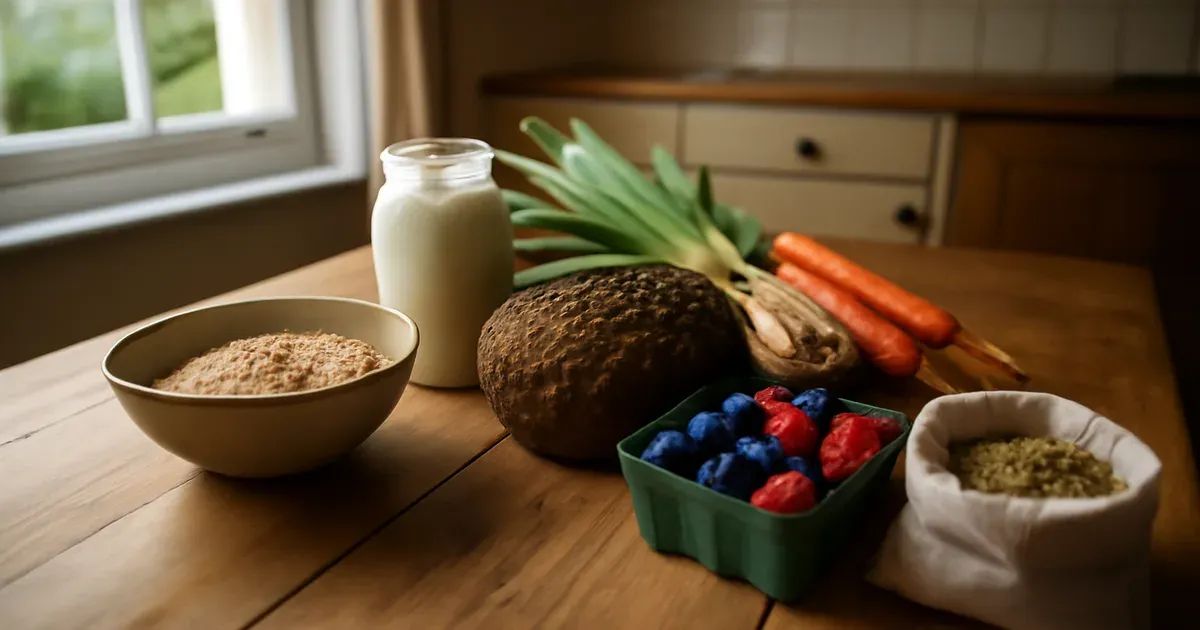
If you've ever wondered why your gut seems to be at the centre of almost every health conversation — from catching colds to managing stress — you're not alone. The science linking gut health UK researchers are uncovering is genuinely surprising, and it can feel overwhelming to know what's real, what's hype, and what you should actually do about it. This guide answers the questions people are searching for most, drawing on the latest microbiome research and practical NHS-aligned advice.
Jump to Your Question
What does the gut microbiome actually do for my immune system?
Why is the gut called the centre of immunity?
What is the gut-brain connection and why does it matter?
How does diet affect gut health and infection risk?
What is colonisation resistance and how do I protect it?
Do antibiotics damage your gut microbiome?
How can I improve gut health naturally in the UK?
What's the difference between innate and adaptive immunity in the gut?
Are UK adults getting enough fibre for good gut health?
What does the gut microbiome actually do for my immune system?
Your gut microbiome acts as a frontline trainer and regulator of your entire immune system. The trillions of bacteria, fungi, and viruses living in your intestines don't just help digest food — they actively communicate with immune cells, teaching them to distinguish friend from foe.
According to a comprehensive review published in PMC, an extraordinary 70–80% of all immune cells in the human body are located in the gut. This means that the health of your microbiome has a direct bearing on how well your immune system functions — both locally in the intestines and systemically throughout your body.
Key immune functions the microbiome supports include:
- Producing antimicrobial compounds such as defensins and secretory IgA antibodies
- Regulating inflammation to prevent both under- and over-reaction
- Training T- and B-lymphocytes to respond appropriately to pathogens
- Maintaining gut barrier integrity, stopping harmful microbes from entering the bloodstream
UK microbiome research at institutions like King's College London and the University of Reading continues to reveal just how central this microbial community is to long-term health.
Why is the gut called the centre of immunity?
The gut is called the centre of immunity because it houses the majority of the body's immune tissue and acts as the primary site where immune responses are initiated and regulated. The gastrointestinal tract is constantly exposed to foreign material — food, microbes, toxins — making it the busiest immunological interface in the body.
The gut has three principal defensive layers working together:
- The gut microbiota — commensal bacteria that compete with and suppress pathogens
- The epithelial barrier — a single-cell-thick lining reinforced by tight junction proteins and a protective mucus layer
- The mucosal immune system — specialised immune cells embedded in the gut lining itself
When these three layers work in harmony, harmful pathogens are identified and neutralised before they can cause illness. When any one layer is disrupted — by poor diet, stress, or antibiotics — the risk of infection increases significantly. This is why NHS gut health guidance increasingly emphasises lifestyle factors alongside medication.

What is the gut-brain connection and why does it matter?
The gut-brain connection refers to the bidirectional communication network linking your digestive system and your brain via the vagus nerve, immune signals, and microbial metabolites. This axis means that what happens in your gut can directly influence your mood, cognition, and stress response — and vice versa.
Researchers at institutions including UCL and the University of Oxford have found compelling evidence that the gut microbiome produces neurotransmitters such as serotonin (around 90% of the body's serotonin is made in the gut), GABA, and dopamine precursors. These chemicals cross-talk with the central nervous system, affecting everything from anxiety levels to sleep quality.
From an immunity perspective, the gut-brain connection matters because:
- Chronic stress alters the microbiome composition, reducing protective species
- A disrupted microbiome can trigger low-grade inflammation that affects brain function
- Poor mental health is increasingly linked to reduced microbial diversity in UK population studies
Supporting the gut-brain axis through diet, stress management, and sleep hygiene is now recognised as a key strategy for overall wellbeing — not just digestive health.
How does diet affect gut health and infection risk?
Diet is one of the most powerful — and modifiable — influences on your gut microbiome composition, which in turn directly shapes your vulnerability to infections. Certain dietary patterns feed beneficial bacteria, while others deplete them, leaving the gut more susceptible to colonisation by harmful pathogens.
The UK Eatwell Guide recommends a diet rich in fibre, vegetables, wholegrains, and fermented foods — all of which support a diverse and resilient microbiome. The British Nutrition Foundation highlights that the average UK adult consumes only around 18g of fibre per day, well below the NHS-recommended 30g.
Dietary choices that protect gut health and immunity include:
- High-fibre foods (oats, legumes, vegetables) that feed beneficial bacteria
- Fermented foods (live yoghurt, kefir, kimchi) that introduce beneficial microbes
- Polyphenol-rich foods (berries, green tea, dark chocolate) with anti-inflammatory properties
- Prebiotic foods (garlic, onions, leeks, asparagus) that nourish existing microbiota
Conversely, ultra-processed foods, excess sugar, and low dietary diversity have all been linked in UK Biobank and British Gut Project data to reduced microbiome diversity and increased inflammatory markers.
Looking to support your gut with targeted nutrition? Explore our evidence-based guides on prebiotic and probiotic foods.

What is colonisation resistance and how do I protect it?
Colonisation resistance is your gut microbiome's natural ability to prevent harmful pathogens from establishing themselves in your intestines. Your commensal bacteria achieve this by competing with invaders for nutrients, physical space, and attachment sites on the gut lining.
This protection mechanism relies on a process called quorum sensing — where bacterial cells use chemical signals to monitor population density and adjust their behaviour accordingly. Beneficial bacteria use these signals to maintain gut balance and produce compounds that inhibit pathogen growth.
Factors that weaken colonisation resistance in the UK include:
- Antibiotic use (even a single course can significantly reduce microbiome diversity)
- A low-fibre, high-processed-food diet typical of many British dietary patterns
- Chronic psychological stress, which alters microbial composition
- Environmental pollutants and certain over-the-counter medications
Protecting colonisation resistance means prioritising microbiome diversity — and the British Dietetic Association (BDA) recommends eating at least 30 different plant foods per week as a practical target.
Do antibiotics damage your gut microbiome?
Yes — antibiotics can significantly disrupt the gut microbiome by killing not just harmful bacteria but also many of the beneficial commensal species that protect your health. This disruption can persist for weeks or even months after a course of antibiotics ends.
When the microbiome is destabilised, opportunistic pathogens — including Clostridioides difficile — can take advantage of the reduced competition and colonise the gut, sometimes causing serious illness. This is a recognised NHS concern, particularly in hospital settings and among elderly patients.
Post-antibiotic recovery strategies supported by UK nutritional science include:
- Eating a wide variety of high-fibre plant foods to feed recovering microbial populations
- Including fermented foods such as live yoghurt or kefir in your diet
- Avoiding unnecessary antibiotic use — always follow NHS prescribing guidance
- Considering evidence-based probiotic strains, though the BDA notes that research is still evolving
If you have concerns about microbiome recovery after antibiotics, speaking with an NHS dietitian is the most reliable first step.

How can I improve gut health naturally in the UK?
To improve gut health naturally in the UK, the most evidence-backed approach combines a diverse, plant-rich diet with regular physical activity, adequate sleep, and stress management. These lifestyle pillars work together to nurture a resilient and diverse microbiome.
The British Gut Project — a large citizen-science microbiome study — found that dietary diversity is the single strongest predictor of gut microbiome diversity in UK adults. The more varied your diet, the more varied and robust your microbiome tends to be.
Actionable steps to improve gut health naturally:
- Aim for 30 plant foods per week — count every distinct vegetable, fruit, grain, nut, seed, herb, and spice
- Prioritise sleep — poor sleep disrupts the gut-brain axis and reduces beneficial bacterial activity
- Move regularly — even moderate exercise like brisk walking is associated with greater microbiome diversity
- Manage stress — mindfulness, social connection, and time outdoors all support the gut-brain connection
- Limit ultra-processed foods — these are disproportionately consumed in the UK and are linked to reduced microbial diversity
Small, consistent changes outperform dramatic short-term interventions for long-term gut health in the UK population.
Want a personalised gut health plan? Check out our curated resources for UK readers.
What's the difference between innate and adaptive immunity in the gut?
Innate immunity is your gut's fast, non-specific first line of defence, while adaptive immunity is a slower, targeted response that "learns" from each pathogen it encounters. Both systems operate within the gut and are profoundly shaped by the microbiome.
| Feature | Innate Immunity | Adaptive Immunity |
|---|---|---|
| Speed | Immediate (minutes to hours) | Slower (days to weeks) |
| Specificity | Non-specific | Highly specific to antigen |
| Key cells | Macrophages, natural killer cells, granulocytes | T-lymphocytes, B-lymphocytes |
| Memory | No immunological memory | Develops long-term memory |
| Gut role | Barrier defence, rapid pathogen detection | Antibody production (IgA), cellular immunity |
The microbiome plays a critical role in calibrating both arms of immunity. Commensal bacteria help "tune" the innate system to avoid overreacting to harmless stimuli (preventing allergies and autoimmunity) while keeping the adaptive system primed to recognise genuine threats. UK microbiome research at Imperial College London has contributed significantly to understanding how early-life microbial exposure shapes this balance for life.
Are UK adults getting enough fibre for good gut health?
Most UK adults are not meeting the NHS recommended intake of 30g of dietary fibre per day, and this shortfall has measurable consequences for gut microbiome diversity and immune function. National Diet and Nutrition Survey data consistently shows average UK fibre intake sitting around 17–20g per day — roughly half the recommended amount.
Fibre is the primary fuel source for beneficial gut bacteria. When bacteria ferment fibre, they produce short-chain fatty acids (SCFAs) — particularly butyrate — which directly nourish gut epithelial cells, reinforce the gut barrier, and regulate immune responses.
Practical ways to close the UK fibre gap:
- Swap refined grains for wholegrains — wholegrain bread, oats, brown rice, wholemeal pasta
- Keep skins on vegetables and fruits where possible
- Add legumes (lentils, chickpeas, beans) to soups, stews, and salads — a staple of traditional British cooking worth reviving
- Snack on nuts and seeds rather than ultra-processed alternatives
- Include a variety of vegetables at every meal, following the UK Eatwell Guide proportions
The British Nutrition Foundation and the BDA both emphasise that increasing fibre gradually — with plenty of fluids — minimises any initial digestive discomfort.

The Bottom Line
- 70–80% of immune cells live in the gut, making gut health inseparable from immune function
- The gut microbiome, epithelial barrier, and mucosal immune system form a three-layer defence against infection
- The gut-brain connection means that stress, mood, and cognitive health are all bidirectionally linked to your microbiome
- Diet is the most powerful lever for improving gut health naturally in the UK — diversity is key
- Antibiotics, ultra-processed food, and chronic stress are the biggest threats to colonisation resistance in UK adults
Closing Thoughts
Your gut is far more than a digestive organ — it is a dynamic immune hub, a communication centre for the gut-brain axis, and your body's most sophisticated interface with the outside world. The good news is that for most UK adults, meaningful improvements to gut health are within reach through everyday food choices, better sleep, and stress awareness. Science is on your side, and small consistent steps genuinely add up.
You might also like
- How to Boost GLP-1 Naturally for Gut Health
- How to Improve Gut Health Naturally (No Fad Diets)
- 7 Protein Habits Quietly Wrecking Your Gut Health
Frequently Asked Questions
Does gut health really affect your immune system?
Yes — gut health has a direct and profound effect on immune function. With 70–80% of the body's immune cells located in the gut, the microbiome actively regulates both local mucosal immunity and systemic immune responses throughout the body.
What are the signs of an unhealthy gut microbiome in the UK?
Common signs of a disrupted gut microbiome include bloating, irregular bowel habits, fatigue, frequent infections, skin issues, and low mood. These symptoms can overlap with many conditions, so persistent concerns should be discussed with an NHS GP or registered dietitian.
How long does it take to improve gut health?
Research suggests that dietary changes can begin to shift microbiome composition within days to weeks, though building lasting diversity and resilience typically takes several months of consistent healthy habits. Patience and consistency matter more than short-term "cleanses."
Is the gut-brain connection real science or just a trend?
The gut-brain connection is well-established science, not a wellness trend. The gut-brain axis — involving the vagus nerve, immune signalling, and microbial metabolites — is an active area of research at leading UK institutions including UCL, the University of Oxford, and King's College London.
What UK foods are best for the gut microbiome?
Foods that support a healthy gut microbiome in the UK include wholegrains (oats, wholemeal bread), legumes (lentils, beans), fermented dairy (live yoghurt, kefir), prebiotic vegetables (leeks, garlic, onions), and a wide variety of seasonal British fruits and vegetables. Eating 30 different plant foods per week is the evidence-backed target recommended by the British Gut Project.
96 Bacterial Strains. Two Shots a Day.
GOODIE is an award-winning fermented drink with 96 live bacterial strains — more than any yogurt or kombucha — never pasteurised, clinically tested, and 8 in 10 users felt less bloating within 14 days. Curious?