7 Protein Habits Quietly Wrecking Your Gut Health
Discover 7 common protein habits that are silently damaging your gut health UK — and the simple, science-backed fixes to restore your microbiome.

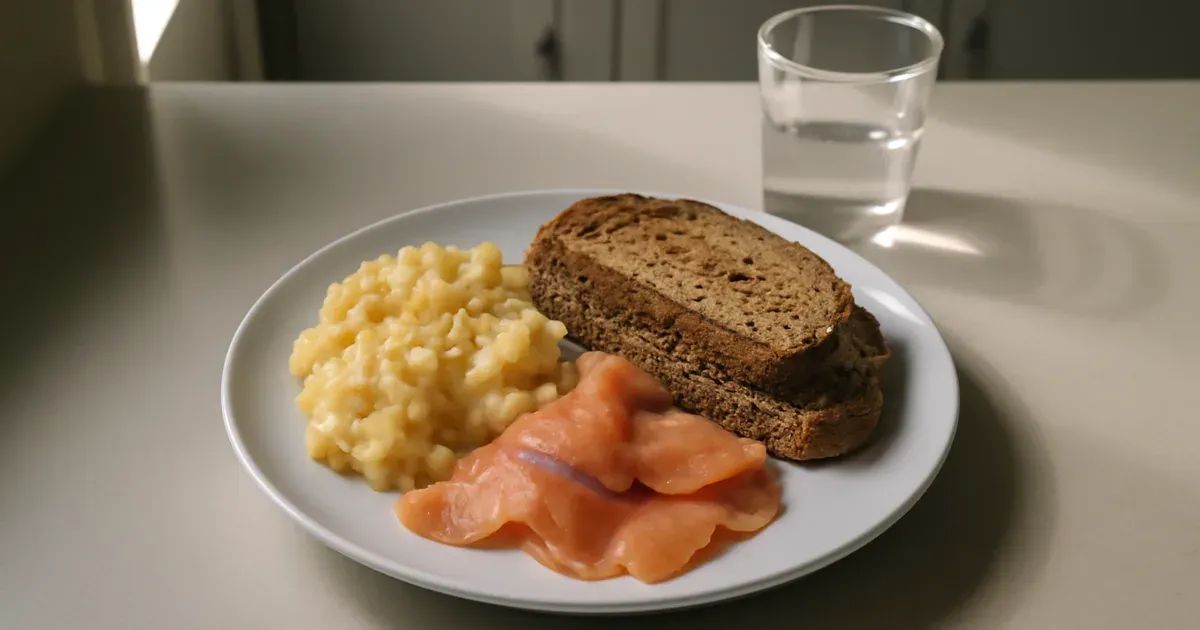
You think you're eating well. You're hitting your meals, avoiding obvious junk, maybe even tracking macros. But your energy still crashes at 3pm, your digestion feels off, and your focus is unreliable. The problem might not be what you're eating — it's how your protein habits are quietly disrupting your gut. In the UK, most health-conscious adults are unknowingly making a handful of consistent mistakes that undermine both their microbiome and their metabolic health. If gut issues feel stubborn despite your best efforts, this list is for you.
Research from King's College London's British Gut Project — one of the largest citizen science microbiome studies in the world — confirms that dietary pattern, not just individual foods, is the primary driver of gut microbiome diversity in UK adults.
1. Skipping Protein at Breakfast and Destroying Blood Sugar Balance
Starting your morning with coffee alone, a pastry, or a high-sugar yoghurt is one of the most disruptive things you can do to your gut-brain axis. Registered dietitian Rachael DeVaux, author of The High Protein Plate, argues that the first meal of the day sets your blood sugar trajectory, your neurotransmitter production, and your cravings for the entire day. When blood sugar spikes and crashes early, it triggers stress hormones that negatively alter the gut lining and microbiome composition.
Aim for 25–40 grams of protein at breakfast. Eggs, Greek yoghurt, smoked salmon, or cottage cheese are all practical, UK-accessible options that anchor your morning metabolically and microbially.
2. Eating Far Less Protein Than You Actually Think
Most women in the UK are consuming around 50–60 grams of protein per day — roughly half of what evidence suggests is needed to support muscle maintenance, immune function, hormonal balance, and a thriving microbiome. This chronic under-eating is rarely intentional; it's the result of portion estimation errors and relying on low-protein convenience foods.
Protein-derived amino acids are essential precursors to gut-protective compounds and neurotransmitters including serotonin, roughly 90% of which is produced in the gut. Low protein intake means reduced substrate for the gut-brain connection to function optimally. Try tracking your protein intake honestly for just three days using a free app like Cronometer — the gap between perception and reality is often startling.
3. Treating Protein and Fibre as Competing Priorities
The protein versus fibre debate is a false binary — and believing it is costing your microbiome. Some nutrition circles have positioned high-protein eating as inherently low-fibre, when in reality the two are complementary pillars of gut health. UK microbiome research consistently shows that fibre diversity feeds beneficial bacterial species, while adequate protein supports the intestinal epithelial cells that maintain gut barrier integrity.
The practical fix is straightforward: pair your protein sources with plants. Grilled salmon alongside roasted vegetables, chicken with lentils, or eggs on wholegrain sourdough gives your gut both the structural support it needs and the prebiotic fuel your microbiome depends on. The NHS Eatwell Guide supports this complementary approach.
4. Relying on Intermittent Fasting in Ways That Crush Your Protein Intake
Compressing your eating window sounds disciplined, but for many people in the UK practising intermittent fasting, it quietly makes hitting adequate daily protein nearly impossible. If you're fitting all your meals into a 6–8 hour window, you're working against your body's muscle protein synthesis capacity — research suggests the gut absorbs and utilises protein most effectively when it's distributed across meals rather than front-loaded in large doses.
Beyond muscle, compressed eating windows can reduce microbial diversity by limiting the variety of foods consumed across the day. If you fast, be intentional: front-load protein, prioritise fibre-rich plant foods in every meal, and consider whether the window you've chosen is actually serving your gut or simply satisfying a rule.
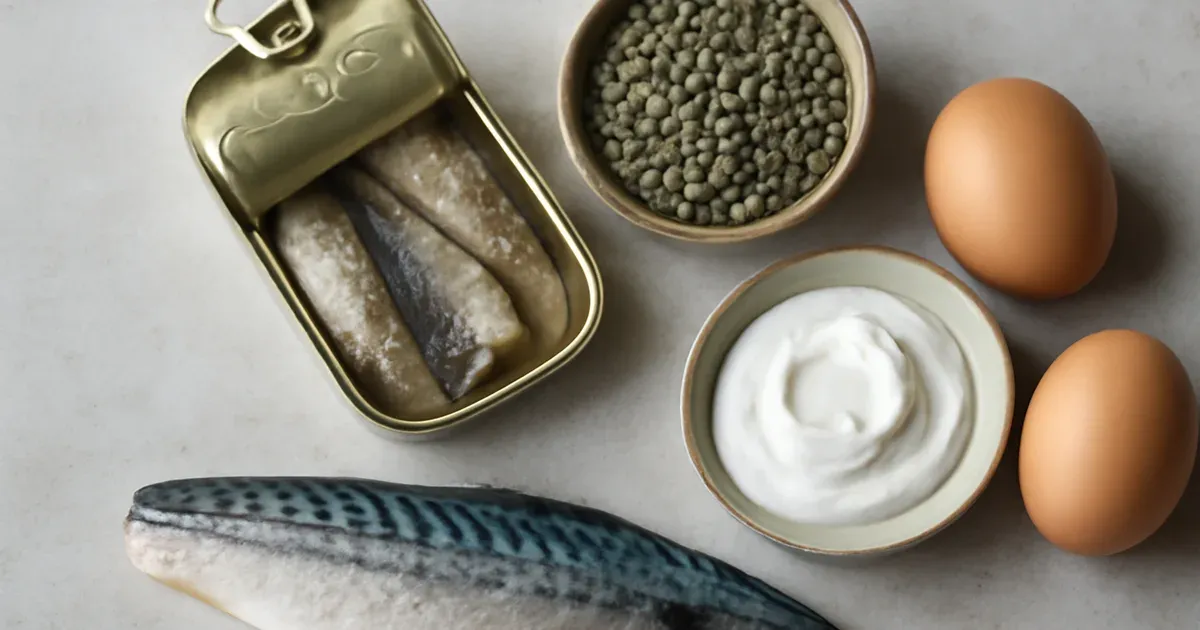
Quick stat: A 2021 analysis using UK Biobank data found that people with higher dietary protein variety — not just quantity — had measurably greater gut microbiome diversity, linked to lower inflammation markers and better mental health outcomes.
5. Choosing Ultra-Processed Protein Products Over Whole Food Sources
Protein bars, flavoured shakes, and "high-protein" snack foods have flooded UK supermarket shelves, and while convenient, many contain emulsifiers, artificial sweeteners, and stabilisers that research increasingly links to gut dysbiosis. Studies from University College London and the University of Reading have highlighted how certain food additives — including carrageenan and polysorbate 80 — disrupt the mucus layer of the gut, potentially increasing intestinal permeability.
This doesn't mean supplements are universally harmful, but whole food protein sources — meat, fish, eggs, legumes, dairy — come packaged with co-nutrients that processed alternatives lack. If you need a portable protein option, plain Greek yoghurt, hard-boiled eggs, or quality meat snacks without additives are preferable. Improve gut health naturally by defaulting to foods your grandmother would recognise.
6. Ignoring the Gut-Brain Signals Your Body Sends Around Meals
Eating at your desk, scrolling your phone, or rushing through lunch doesn't just affect digestion mechanically — it actively disrupts the gut-brain connection. The vagus nerve, which runs from your brainstem to your gut, relies on a calm, parasympathetic state to regulate stomach acid secretion, gut motility, and the signalling of satiety hormones like GLP-1. Chronic stress-eating or distracted eating impairs this communication, leading to bloating, poor nutrient absorption, and dysregulated appetite cues.
Registered dietitians and NHS gut health guidance increasingly emphasise the role of eating environment alongside food composition. Even a two-minute pause before eating — a few deep breaths, sitting properly, removing screens — meaningfully shifts your nervous system and the efficiency of your digestive process. Small habit, significant impact on your microbiome UK health outcomes.
7. Never Varying Your Protein Sources
Chicken breast, protein powder, repeat. It's efficient, but eating the same protein sources week after week limits the microbial diversity your gut depends on. Different animal and plant proteins carry distinct amino acid profiles, fatty acid compositions, and associated compounds — organ meats contain vitamin K2 and CoQ10, oily fish like mackerel and sardines provide long-chain omega-3s that actively reduce gut inflammation, and legumes bring fermentable fibres that feed Bifidobacterium and Lactobacillus species.
UK microbiome research from the British Gut Project found that people who ate 30 or more different plant foods per week had significantly more diverse gut bacteria than those eating fewer than 10. Rotating your protein sources — and especially adding small oily fish, eggs from pasture-raised hens, and fermented dairy — is one of the highest-leverage changes you can make for long-term gut health in the UK. Improve gut health naturally without any supplementation by simply diversifying your plate.
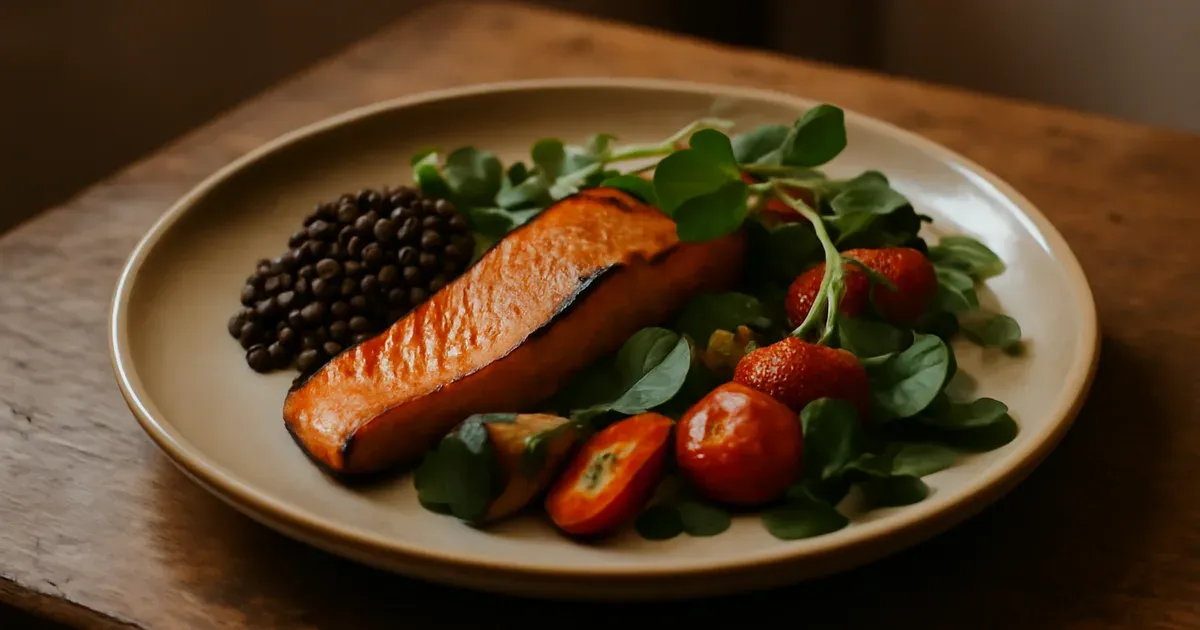
Your gut microbiome is shaped meal by meal, habit by habit. The good news is that most of these mistakes are simple to correct — no elimination diet required, no expensive supplements needed. Start by tracking your protein for three days, add a meaningful protein source to your breakfast, and begin rotating your sources more deliberately. Small, consistent changes to how you eat protein can meaningfully shift your gut-brain connection, your energy, your mood, and your long-term metabolic health. The science is clear; the next step is yours.
You might also like
- How to Improve Gut Health Naturally (No Fad Diets)
- Gut-Brain Connection & Psychedelics: Your Questions Answered
- Gut Health UK: Lifestyle Medicine & Your Microbiome
Frequently Asked Questions
How much protein do I actually need per day in the UK?
Current NHS guidance sets the Reference Nutrient Intake (RNI) at 0.75g per kilogram of body weight per day for sedentary adults. However, growing evidence — including research cited by the British Nutrition Foundation — supports intakes closer to 1.2–1.6g per kg for active adults, older adults, and those looking to support muscle mass and metabolic health. For a 70kg adult, that equates to roughly 85–112g daily, well above the average UK intake.
Does the timing of protein intake affect gut health?
Yes. Distributing protein across meals — rather than consuming most of it in one sitting — appears to optimise both muscle protein synthesis and gut function. The gut's ability to absorb and utilise amino acids is capacity-limited per meal. Spreading intake also supports more consistent feeding of the gut microbiome throughout the day, which benefits microbial diversity and the gut-brain connection.
Are plant proteins as good as animal proteins for the gut microbiome UK?
Plant proteins such as lentils, chickpeas, edamame, and tofu bring the added benefit of prebiotic fibre, which directly feeds beneficial gut bacteria. Animal proteins tend to have higher bioavailability and a more complete amino acid profile. The strongest evidence for gut health in the UK supports a varied diet that includes both — rather than exclusively choosing one camp over the other.
Can low protein intake affect my mood and mental health?
Directly, yes. The gut-brain axis depends on adequate amino acid supply to produce neurotransmitters including serotonin, dopamine, and GABA — the majority of which are synthesised in the gut. Tryptophan (found in eggs, turkey, dairy, and oats) is the direct precursor to serotonin. Chronically low protein intake starves this pathway, contributing to low mood, poor concentration, and disrupted sleep — all areas flagged in NHS mental health guidance as nutrition-sensitive.
What are the best whole food protein sources for gut health in the UK?
Oily fish (mackerel, sardines, salmon) top the list for combining high-quality protein with anti-inflammatory omega-3 fatty acids. Eggs from pasture-raised hens, Greek yoghurt (which also provides live cultures), lentils and chickpeas, kefir, and lean meats are all excellent options widely available in UK supermarkets. Fermented proteins — such as tempeh and aged cheeses — add the additional benefit of probiotic bacteria that actively support a healthy British diet gut health profile.
96 Bacterial Strains. Two Shots a Day.
GOODIE is an award-winning fermented drink with 96 live bacterial strains — more than any yogurt or kombucha — never pasteurised, clinically tested, and 8 in 10 users felt less bloating within 14 days. Curious?