Gut Health UK: Your Microbiome & Inflammation Guide
Discover how your gut microbiome drives inflammation, mood, and chronic illness — plus evidence-based tips to improve gut health naturally, tailored for UK adul


Your gut is running the show — and most of us in the UK have no idea. Trillions of microbial cells live inside your intestines right now, quietly governing your digestion, your immunity, your mood, and even your ability to think clearly. This is gut health UK researchers are increasingly calling a "second brain" — and the science behind it is changing how we understand chronic illness, mental wellbeing, and everyday energy.
Whether you're managing a chronic condition, struggling with persistent bloating, or simply want to improve gut health naturally, understanding your microbiome is the most powerful place to start.
What Is the Gut Microbiome and Why Does It Matter?
The microbiome is your body's most complex ecosystem. Inside your small and large intestines, you host somewhere between 10 trillion and 100 trillion microbial cells — bacteria, viruses, fungi, and other microorganisms that collectively form what scientists call the gut microbiome. Research from institutions such as King's College London and the University of Reading has helped place the UK at the forefront of microbiome UK science, with projects like the British Gut Project generating some of the largest population-level datasets in the world.
Think of your gut bacteria as a community with three factions. As clinical nutritionist Lori Fish Bard explains: "The community includes good guys, bad guys, and indifferent guys. And in our body, these bacteria rule the school. Ultimately, the health of our microbiome determines our overall health." The goal is not to eliminate every "bad" bacterium, but to maintain a diverse, balanced community where beneficial strains can thrive.
Scientists estimate that roughly 70% of the immune system is housed in the gut. The gut lining acts as both a barrier and a communication hub — deciding what gets absorbed into the bloodstream and what gets blocked. When that barrier is healthy, so are you. When it's compromised, the consequences ripple outwards in ways that often seem entirely unrelated to digestion.
The Gut-Brain Connection: Your Second Brain
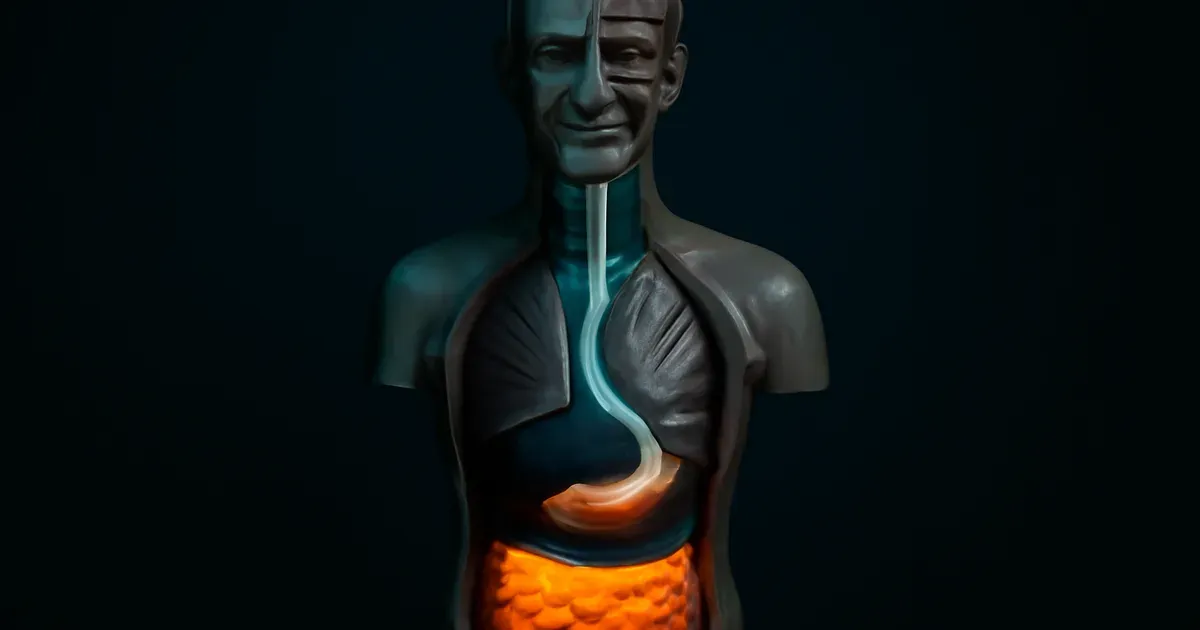
The relationship between your gut and your brain is bidirectional, continuous, and profoundly underestimated. Known as the gut-brain connection, this communication highway runs primarily through the vagus nerve — a mixed nerve that carries signals both from the brain down to the gut and, crucially, from the gut back up to the brain. Research published in Frontiers in Neuroscience describes how the vagus nerve senses metabolites produced by gut microbes and relays that information directly to the central nervous system, influencing mood, cognition, and autonomic function.
This means what happens in your gut doesn't stay in your gut. Disruptions to the microbiome — a state called dysbiosis — can manifest as brain fog, difficulty concentrating, low mood, and anxiety. The gut produces approximately 90% of the body's serotonin, the neurotransmitter most associated with feelings of wellbeing. UK Biobank data linking dietary patterns with mental health outcomes is beginning to confirm what microbiome researchers have suspected for years: a healthy gut is a healthy mind.
For anyone living with a chronic condition, the gut-brain axis deserves particular attention. Chronic stress dysregulates the hypothalamic-pituitary-adrenal (HPA) axis, which in turn alters gut permeability and microbial diversity. The loop is self-reinforcing: a disrupted gut signals distress to the brain, which amplifies the stress response, which further disrupts the gut.
Chronic Inflammation: The Hidden Link to Gut Dysbiosis
Inflammation is the body's first responder — a rapid, targeted immune reaction to injury, infection, or perceived threat. In a healthy system, inflammation resolves within hours or days. In many UK adults, however, it doesn't resolve. It smoulders.
When the gut microbiome is out of balance, the immune system stays on high alert. Undesirable bacterial products and compounds called endotoxins can leak through a compromised gut lining and enter the bloodstream — a phenomenon sometimes described as "leaky gut." The immune system identifies these substances as foreign invaders and mounts an attack. Repeated immune activation drives chronic, low-grade inflammation that can affect every organ in the body.
For people living with conditions like Gaucher disease, this dynamic is especially consequential. Gaucher disease is a rare inherited metabolic condition caused by variants in the GBA1 gene, and gene expression studies have confirmed that the disease is associated with activation of inflammatory processes at a cellular level. When gut inflammation compounds an already-elevated inflammatory baseline, it can worsen symptoms and make the condition harder to manage. "When your body also reacts to other stimuli because of gut inflammation, it could exacerbate symptoms," Bard notes.
Dysbiosis can manifest in ways that seem entirely disconnected from the gut. Common signs include:
- Digestive complaints: bloating, constipation, diarrhoea, or symptoms overlapping with IBS
- Brain fog or inability to concentrate
- Joint pain and unexplained aching
- Persistent headaches
- Skin rashes or eczema flare-ups
"Skin is an organ," Bard points out, "and a rash is telling us we're out of balance. In my practice, to get to the root of an issue, we start with the gut 99% of the time."

How to Improve Gut Health Naturally: A Practical UK Guide
Cleaning up the gut is one of the most powerful levers you have for reducing systemic inflammation, supporting the gut-brain connection, and building long-term resilience. The British Dietetic Association (BDA) and the UK Eatwell Guide both emphasise dietary diversity and fibre intake as cornerstones of digestive health — and the microbiome science now explains precisely why.
Here are the key strategies, grounded in both nutritional evidence and microbiome research:
1. Eat Probiotic Foods to Seed Your Gut With Beneficial Bacteria
Probiotic foods contain live bacteria that can directly boost the diversity of your gut microbiome. Unlike many probiotic supplements — which often fail to survive the acidity of the stomach before reaching the colon — whole fermented foods deliver live cultures within a food matrix that aids their survival. "Food works best because of how it's digested and absorbed," says Bard.
Probiotic-rich foods to incorporate into a British diet include:
- Natural yoghurt and kefir with live and active cultures (choose unsweetened varieties — sugar impairs beneficial bacteria)
- Sauerkraut and kimchi (available in most UK supermarkets and health food shops)
- Fermented pickles (brine-fermented, not vinegar-pickled)
- Kombucha (opt for low-sugar versions)
- Apple cider vinegar (raw, with the "mother")
If fermented foods are new to you, start small. "Find a food you are willing to have — such as Greek yoghurt with no sugar. Mix in frozen berries and ground flax seeds, which are a prebiotic," Bard suggests. "As you eat it, focus on the good you are doing your body."
2. Feed Your Microbiome With Prebiotic Fibre
Prebiotics are the fuel your beneficial gut bacteria run on. Unlike probiotics, which introduce live organisms, prebiotics are non-digestible fibres that selectively feed the microbes already living in your colon. The NHS recommends adults in the UK consume 30g of fibre per day — yet the average intake remains closer to 18g.
Excellent prebiotic foods include:
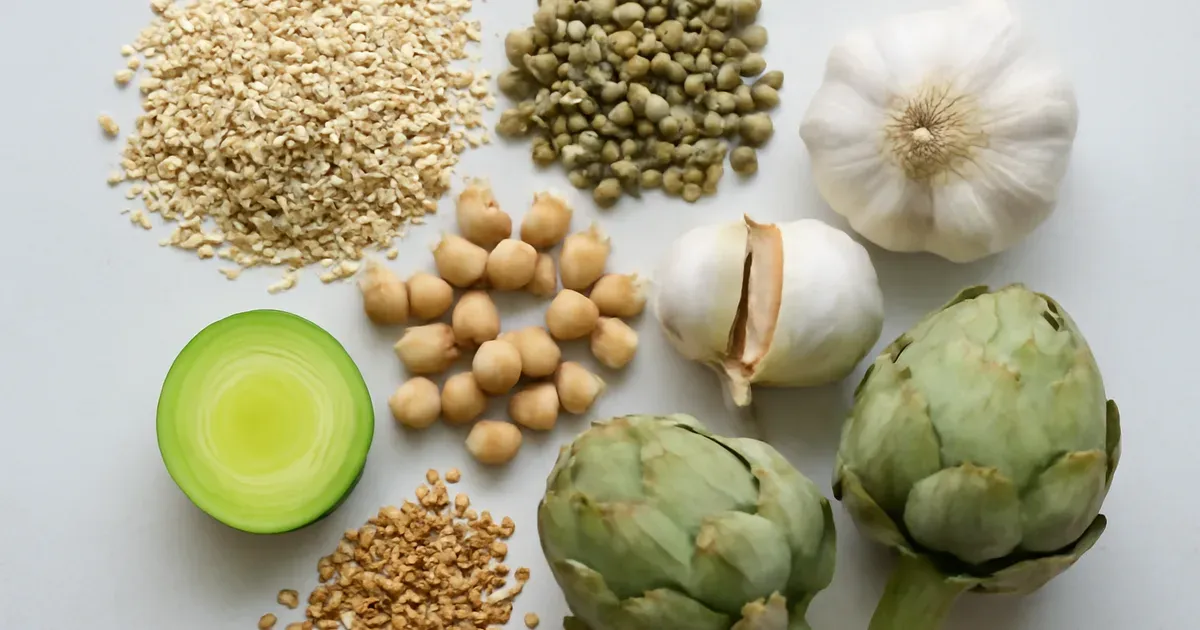
- Flaxseeds and chia seeds — easy to add to porridge or smoothies
- Legumes — lentils, chickpeas, butter beans, and kidney beans are British staples
- Whole grains — oats, wholemeal bread, and barley
- Vegetables — asparagus, artichokes, garlic, leeks, and onions
"We want our gut community to be diverse," Bard emphasises. "Different bacterial strains feed on different types of fibre, so the more varied your plant intake, the richer your microbiome becomes."
3. Reduce the Foods That Drive Gut Inflammation
What you remove from your diet matters as much as what you add. Ultra-processed foods — which make up an estimated 57% of energy intake in the UK according to data from the University of Cambridge — are consistently associated with reduced microbial diversity and increased gut permeability.
Key dietary adjustments to protect gut health in the UK context:
- Cut back on refined sugars and artificial sweeteners, both of which have been shown to alter microbial composition
- Reduce ultra-processed foods (crisps, ready meals, sugary cereals, processed meats)
- Limit alcohol, which damages the gut lining and disrupts the microbiome
- Moderate antibiotic use where clinically appropriate — discuss with your GP whether a course is truly necessary, and always follow with probiotic and prebiotic support
4. Move Your Body — Your Microbiome Notices
Regular physical activity is one of the most well-evidenced ways to increase microbial diversity. Studies from University College London and the University of Nottingham have explored associations between exercise, gut transit time, and bacterial composition. Movement stimulates gut motility, reduces stress hormones, and appears to selectively favour anti-inflammatory bacterial species.
The NHS physical activity guidelines recommend at least 150 minutes of moderate activity per week for adults. For gut health specifically, even a daily 20-minute walk after meals can meaningfully support transit and microbial balance.
5. Manage Stress to Protect the Gut-Brain Axis
Chronic psychological stress is one of the most underappreciated drivers of gut dysbiosis in the UK. Via the gut-brain connection, sustained stress alters the composition and function of the microbiome — reducing populations of beneficial Lactobacillus and Bifidobacterium species while allowing potentially harmful bacteria to proliferate.
Evidence-based stress management strategies that benefit both gut health and mental wellbeing include:
- Mindfulness-based stress reduction (MBSR) — available through some NHS talking therapy pathways
- Regular sleep — poor sleep independently disrupts the microbiome; adults need 7–9 hours
- Diaphragmatic breathing — activates the vagus nerve, directly modulating the gut-brain axis
- Spending time in nature — UK research has linked green space exposure to improved gut microbial diversity in children and adults alike

The Bottom Line: Your Gut Is the Starting Point
A diverse, fibre-rich, whole-foods diet is the single most powerful tool for gut health UK adults have access to right now. The evidence from the British Gut Project, UK Biobank, and institutions including King's College London and Imperial College London consistently points in the same direction: gut microbial diversity predicts health outcomes across multiple systems — digestive, immune, neurological, and metabolic.
For those managing chronic inflammatory conditions, supporting the gut microbiome is not an alternative to medical treatment — it is a complementary strategy that can reduce the inflammatory load the body is carrying and improve quality of life. Always discuss dietary changes with your NHS GP, a registered dietitian, or a qualified nutritional therapist before making significant alterations, particularly if you are on prescribed medication.
"Cleaning up the gut can help reduce some of the chronic inflammation in the body," Bard says. "The body wants to achieve homeostasis. With inflammation, it can't do it." The gut is where balance begins.
Frequently Asked Questions
What does the NHS say about gut health?
The NHS acknowledges the importance of dietary fibre and a varied diet for digestive health. While NHS guidance does not yet formally reference the microbiome in primary care pathways, NHS Eatwell Guide recommendations — including 30g of fibre daily, five portions of fruit and vegetables, and limiting ultra-processed foods — align closely with what microbiome researchers recommend for gut microbial diversity.
How do I know if my gut microbiome is unhealthy?
Common signs of gut dysbiosis include bloating, irregular bowel habits, persistent fatigue, brain fog, skin problems, and frequent infections. These symptoms are non-specific, so it is important to speak to your GP to rule out underlying conditions. The British Gut Project has also offered microbiome testing to the public as part of its research programme, providing individuals with a snapshot of their microbial diversity.
Can gut health affect mental health in the UK?
Yes — via the gut-brain connection, the state of your microbiome directly influences neurotransmitter production and stress regulation. Approximately 90% of the body's serotonin is produced in the gut. UK-based research at institutions including King's College London is actively investigating how dietary interventions targeting the microbiome may support mental health outcomes, particularly for anxiety and depression.
Are probiotic supplements worth taking in the UK?
Probiotic supplements vary enormously in quality, strain specificity, and survivability. Many products on the UK market do not survive stomach acid to reach the colon. Registered dietitians affiliated with the British Dietetic Association generally recommend obtaining probiotics through fermented foods where possible, supplementing with a multi-strain, high-CFU product if dietary sources are insufficient, and always choosing a supplement with evidence-backed strains such as Lactobacillus rhamnosus or Bifidobacterium longum.
How quickly can you improve gut health naturally?
Research suggests that dietary changes can begin to shift microbial composition within 48 to 72 hours, though meaningful, lasting improvements typically emerge over weeks to months of sustained dietary and lifestyle change. Consistency matters more than perfection — introducing one or two fermented foods, increasing daily fibre, and reducing ultra-processed food intake are realistic first steps any UK adult can take today.
You might also like
- How to Boost GLP-1 Naturally for Gut Health
- Your Gut Microbiome: The Complete UK Guide
- How to Improve Gut Health with Breathwork Daily
96 Bacterial Strains. Two Shots a Day.
GOODIE is an award-winning fermented drink with 96 live bacterial strains — more than any yogurt or kombucha — never pasteurised, clinically tested, and 8 in 10 users felt less bloating within 14 days. Curious?