Your Gut Microbiome: The Complete UK Guide
Discover what the gut microbiome is, why it matters for UK adults, and how to improve gut health naturally through diet, probiotics, and lifestyle changes.

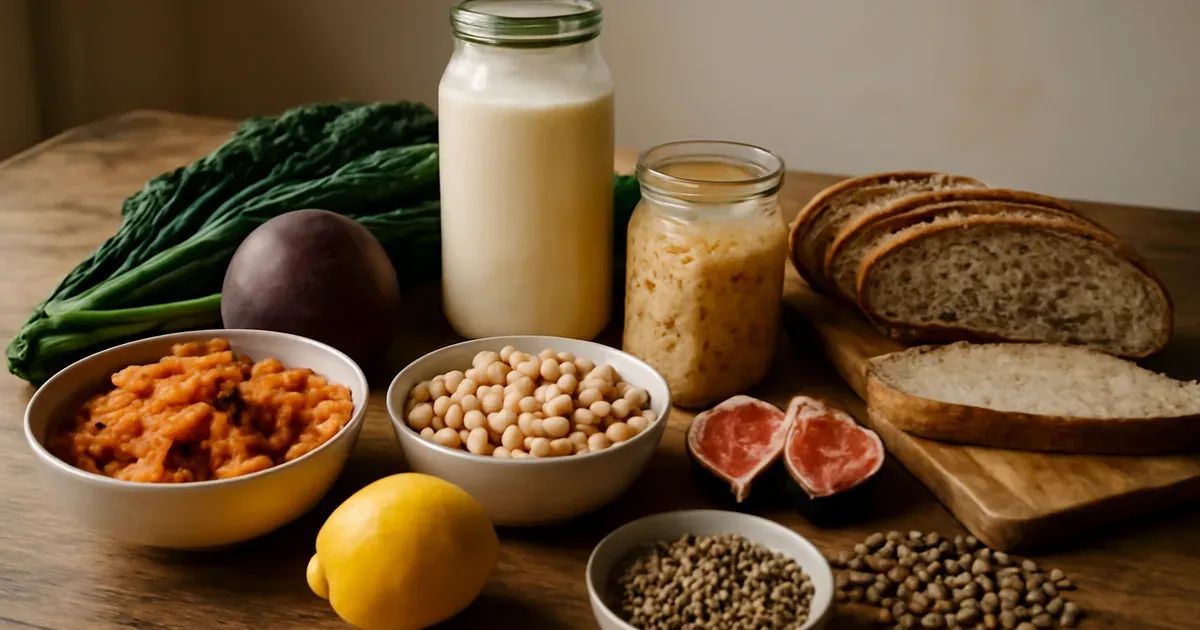
Your gut is home to more bacteria than there are people on the entire planet. That single fact — drawn from microbiome research — has quietly transformed how scientists, clinicians, and health-conscious individuals understand human wellbeing. Yet for most people in the UK, the trillions of microorganisms living in their digestive tract remain a mystery.
Whether you've noticed bloating after a meal, felt your mood dip after a stressful week, or simply wondered why some foods leave you energised while others drag you down, the answer may lie in your gut microbiome. In the UK, interest in gut health has surged — the British Gut Project at King's College London has collected microbiome data from tens of thousands of participants, and NHS services are increasingly recognising the role of gut health in systemic disease. This guide brings together the latest science to help you understand what your microbiome is, why it matters, and how to improve gut health naturally.
What Is the Gut Microbiome and Why Does It Matter?
The gut microbiome refers primarily to the dense bacterial population living in your digestive tract, comprising hundreds of different species coexisting in a complex, dynamic community. As microbiologist Jenni Firrman explains, this community "lies at the intersection of nutrition and human health" — its composition and the byproducts it produces are directly shaped by the food you eat.
These bacteria are not passive passengers. They produce metabolites, train your immune system, regulate inflammation, and even communicate with your brain. Research from Imperial College London, the University of Reading, and King's College London has consistently shown that the gut microbiota influences conditions ranging from type 2 diabetes and obesity to anxiety and depression.
In the UK, where diet-related disease places a significant burden on the NHS, understanding the microbiome has moved from niche science to mainstream public health. The UK Biobank and the MRC (Medical Research Council) have both funded large-scale studies exploring how microbiome composition relates to long-term disease risk across the British population.
What Does a Healthy Gut Microbiome Look Like?
Defining a "healthy" gut microbiome is genuinely difficult — and any expert who offers a single, universal definition is oversimplifying. The microbial community is completely unique to each person, and it can shift on a daily basis in response to food, medication, stress, or illness.
That said, researchers do look for consistent biomarkers. A healthy gut microbiome is generally characterised by:
- High microbial diversity — a greater variety of species is associated with resilience and better health outcomes
- Robust production of short-chain fatty acids (SCFAs) — metabolites such as butyrate, propionate, and acetate, which are produced when gut bacteria ferment dietary fibre
- Presence of beneficial species — including bacteria from the Lactobacillus and Bifidobacterium groups, both widely studied and commonly found in probiotic foods
- Absence or low levels of pathogenic bacteria — species linked to inflammation and disease
SCFAs are particularly important because they nourish the cells lining the colon, reduce inflammation, and may play a role in regulating appetite and blood sugar. Research from the University of Cambridge and the Wellcome Trust-funded Sanger Institute has highlighted butyrate in particular as a key protective metabolite.
Dysbiosis: What Happens When the Gut Goes Wrong
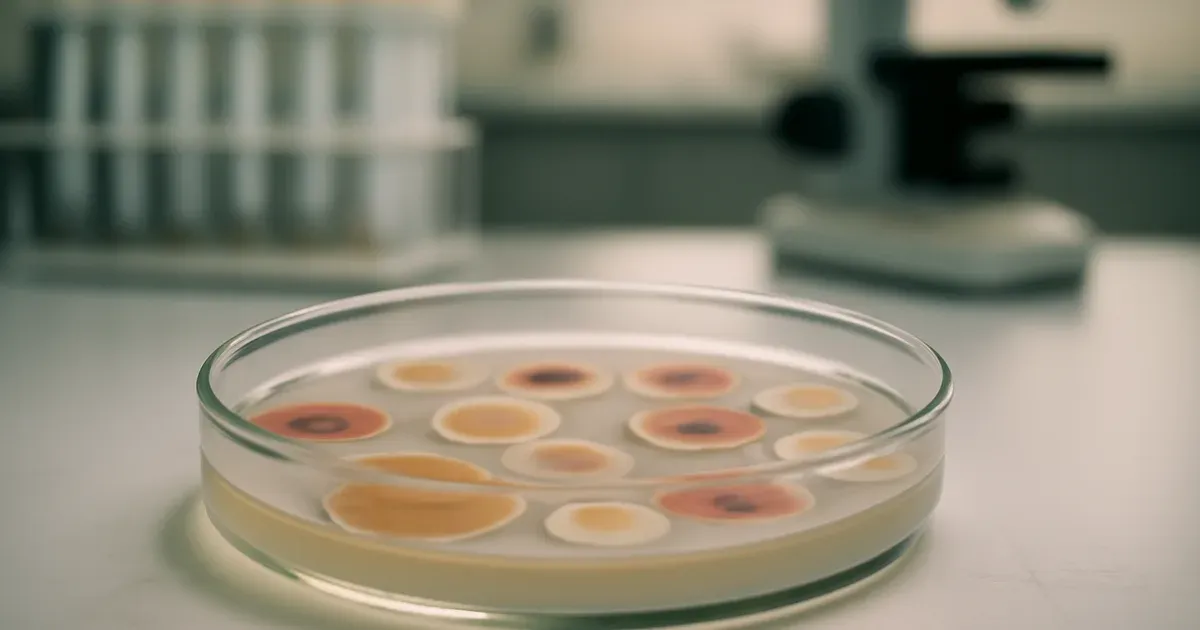
When the balance of the gut microbiome is disrupted, the condition is known as dysbiosis — and its consequences extend far beyond digestive discomfort. Dysbiosis is diagnosed when there is a loss of beneficial bacteria, an overgrowth of harmful species, or a marked decline in overall microbial diversity.
Symptoms can include bowel inflammation, diarrhoea, food intolerances, excess gas, and bloating — complaints that will be familiar to the millions of people in the UK living with irritable bowel syndrome (IBS) or inflammatory bowel disease (IBD). The NHS estimates that IBS affects around one in five people in the UK at some point in their lives.
Beyond the gut itself, dysbiosis has been linked to a striking range of systemic conditions. These include type 1 and type 2 diabetes, obesity, Crohn's disease, and coeliac disease. Emerging UK microbiome research is also exploring connections to autoimmune conditions and metabolic syndrome.
Perhaps most compellingly, dysbiosis has been associated with mental health conditions including anxiety and depression — a link explained through the gut-brain connection, formally known as the gut-brain axis. This is a bidirectional communication network between the central nervous system and the gut microbiota, involving hormonal signals, the vagus nerve, and immune pathways. The gut-brain connection is one of the most rapidly expanding areas in neuroscience, with teams at UCL and the University of Oxford actively investigating how gut bacteria influence mood, cognition, and stress responses.
The Gut-Brain Connection: Your Second Brain
The idea that your gut and your brain are in constant dialogue is no longer fringe science — it is one of the most exciting frontiers in modern medicine. The gut contains approximately 500 million neurons and produces around 95% of the body's serotonin, the neurotransmitter most associated with mood regulation.
When gut bacteria are thriving, they produce metabolites and neurotransmitter precursors that travel via the gut-brain axis to influence how you feel, think, and respond to stress. Conversely, chronic stress can alter gut motility and microbial composition — creating a feedback loop that researchers are only beginning to untangle.
In the UK, mental health conditions cost the NHS an estimated £119 billion per year. If gut-targeted interventions — dietary changes, probiotics, or prebiotics — can meaningfully reduce the burden of anxiety and depression, the public health implications are enormous. Studies from King's College London and the British Gut Project have already shown associations between low microbiome diversity and worse self-reported mental health scores in UK participants.

Probiotics and Prebiotics: What the Science Actually Says
Probiotics are living microorganisms ingested for their health-promoting benefits, and in the UK they are available in fermented foods — yoghurt, kefir, sauerkraut, kimchi, and kombucha — as well as in dietary supplements. The most commonly studied probiotics belong to the Lactobacillus and Bifidobacterium groups, though yeasts such as Saccharomyces boulardii are also used, particularly to support gut recovery after antibiotic treatment.
Probiotics can support gut health UK-wide by:
- Rebalancing the microbiome after disruption — for example, following a course of antibiotics, which the NHS prescribes around 34 million times per year in England alone
- Producing beneficial metabolites that support the gut lining and immune function
- Modulating immune responses and reducing low-grade inflammation
- Influencing gut-brain interactions — some strains have been shown in clinical trials to reduce symptoms of anxiety and depression
Prebiotics work differently — they are non-digestible food components, primarily dietary fibres and resistant starches, that selectively feed the beneficial bacteria already living in your gut. Think of probiotics as introducing new residents, and prebiotics as improving the conditions so that existing beneficial residents can flourish.
When combined, probiotics and prebiotics form synbiotics — a pairing that allows the prebiotic to act as fuel for the probiotic, potentially enhancing the survival and activity of beneficial bacteria. The British Nutrition Foundation has highlighted synbiotics as a promising area of nutritional science, though it notes that more robust human trials are needed.
How to Improve Gut Health Naturally Through Diet
The single most evidence-backed way to improve gut health naturally is to increase dietary fibre — and most adults in the UK fall well short of the recommended 30g per day outlined in UK dietary guidelines. The UK Eatwell Guide specifically recommends plenty of fruit, vegetables, wholegrains, and legumes, all of which serve as substrates for gut bacteria.
Here is what the research tells us about specific food groups:
Fruits and vegetables are rich in fibres that human cells cannot digest but gut bacteria can. When these compounds reach the colon, bacterial fermentation increases microbial diversity and promotes the growth of SCFA-producing species. Polyphenols — plant compounds found in berries, apples, and dark leafy greens — also provide selective nourishment for beneficial microbes.
Resistant starch, found in cooked and cooled potatoes, unripe bananas, oats, and legumes, is an excellent prebiotic. It resists digestion in the small intestine and arrives in the colon intact, where it fuels beneficial bacteria and boosts butyrate production.
Fermented foods introduce live cultures directly into the gut. A landmark 2021 study from Stanford University — and corroborated by researchers in the UK — found that a diet high in fermented foods increased microbial diversity and reduced markers of inflammation more effectively than a high-fibre diet alone.

What about artificial sweeteners? Research in this area is nuanced. Artificial non-nutritive sweeteners such as aspartame, sucralose, and saccharin have been shown in studies to alter gut microbial composition and induce glucose intolerance. However, plant-derived alternatives appear safer for the microbiome — steviol glycosides (the active compounds in stevia) have not been shown to cause measurable adverse changes in gut microbial communities, and may even support microbial diversity. This is relevant context for the millions of UK adults using low-calorie sweeteners, often in the belief that they are a neutral choice.
Practical Steps to Support Your Microbiome in the UK
Small, consistent dietary changes can meaningfully shift microbiome composition within weeks. Based on the evidence reviewed here and guidance from the British Dietetic Association (BDA), these are the most impactful actions:
- Eat 30 or more different plant foods per week — the British Gut Project found this was the single strongest dietary predictor of microbiome diversity in UK participants
- Include at least one portion of fermented food daily — natural yoghurt, kefir, or a small serving of kimchi or sauerkraut
- Prioritise fibre at every meal — aim for the UK guideline of 30g per day using wholegrains, legumes, vegetables, and fruit
- Limit ultra-processed foods — UK research, including work from UCL, has linked high UPF consumption to reduced microbiome diversity
- Be cautious with antibiotics — use only when prescribed, and consider a probiotic supplement (look for strains with evidence behind them, and consult your GP or a registered dietitian)
- Manage stress actively — through the gut-brain connection, chronic psychological stress disrupts gut microbiota; even moderate exercise has been shown to increase microbial diversity
- Stay hydrated — adequate fluid intake supports gut motility and the mucosal environment in which gut bacteria live
None of these steps require expensive supplements or extreme dietary overhauls. The evidence points consistently towards diversity, plants, and fermented foods as the foundation of a healthy gut microbiome.
The Bottom Line
Gut health in the UK is finally receiving the scientific and public health attention it deserves. From the British Gut Project's citizen science approach to MRC-funded mechanistic studies and NHS recognition of dysbiosis-related conditions, the microbiome is moving to the centre of preventive medicine.
The gut-brain connection in particular represents a paradigm shift — the understanding that what you eat shapes not just your digestive health but your mood, immunity, and long-term disease risk. Improving gut health naturally, through fibre, fermented foods, plant diversity, and mindful lifestyle choices, is among the most powerful and accessible things a UK adult can do for their overall wellbeing.
The science is complex; the actions are not. Start with your plate.
You might also like
- How to Boost GLP-1 Naturally for Gut Health
- How to Improve Gut Health Naturally (No Fad Diets)
- Gut-Brain Connection & Psychedelics: Your Questions Answered
Frequently Asked Questions
What is the gut microbiome? The gut microbiome is the vast community of microorganisms — primarily bacteria — living in the digestive tract. Hundreds of species coexist in a dynamic ecosystem that influences digestion, immunity, metabolism, and even mental health via the gut-brain connection.
How do I know if my gut microbiome is unhealthy? Common signs of dysbiosis include persistent bloating, irregular bowel movements, food intolerances, fatigue, and low mood. However, a formal assessment requires stool microbiome testing, which some UK clinics and services now offer alongside NHS pathways for conditions like IBS and IBD.
Can I improve gut health naturally without supplements? Yes — the strongest evidence supports dietary change over supplementation. Eating 30 or more different plant foods per week, increasing dietary fibre to the UK-recommended 30g per day, and including fermented foods regularly are all associated with improved microbiome diversity and health outcomes.
Are probiotics worth taking in the UK? For most healthy adults, food-based probiotics (yoghurt, kefir, fermented vegetables) provide meaningful benefit. Supplement-based probiotics are most evidence-backed for specific uses, such as restoring the microbiome after antibiotics or managing IBS symptoms. Always choose products with named, well-studied strains and consult a registered dietitian or your GP.
What is the gut-brain connection? The gut-brain connection, or gut-brain axis, is the bidirectional communication network linking the central nervous system with the gut microbiota. Through hormonal signals, the vagus nerve, and immune pathways, gut bacteria influence mood, stress responses, and cognition. Dysbiosis has been associated with anxiety and depression — making gut health a legitimate mental health consideration.
96 Bacterial Strains. Two Shots a Day.
GOODIE is an award-winning fermented drink with 96 live bacterial strains — more than any yogurt or kombucha — never pasteurised, clinically tested, and 8 in 10 users felt less bloating within 14 days. Curious?