How to Reduce Psilocybin Gut Side Effects Fast
Learn how to manage psilocybin GI side effects using gut-brain science, microbiome support, and evidence-based preparation strategies from UK research.

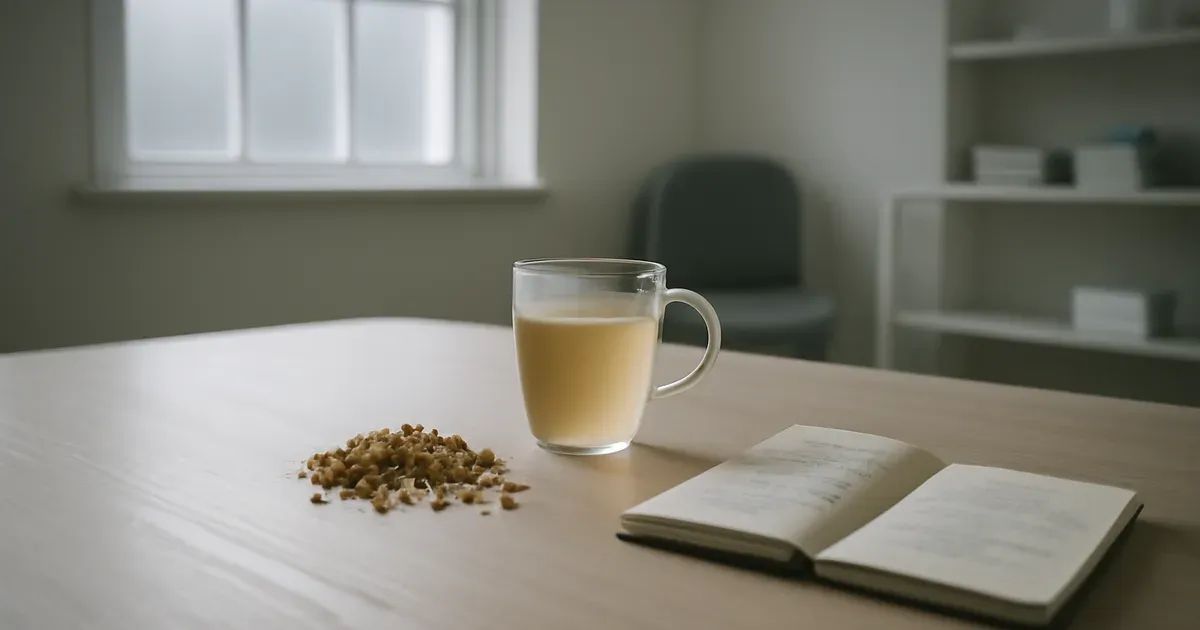
You were prepared for the profound. What you weren't prepared for was the wave of nausea that arrived alongside it — the cramping, the churning stomach, the desperate focus on not being sick rather than on the experience itself. If you've been part of a psilocybin-assisted therapy programme or are researching one in the UK, you're far from alone in this. GI distress is one of the most consistently reported side effects in clinical trials, yet it rarely receives the practical attention it deserves. The good news: understanding why it happens is the first step toward managing it — and the science, rooted in gut-brain connection research, is genuinely illuminating.
Why Psilocybin GI Distress Happens in the First Place
The gut-brain connection is central to this story. Approximately 90–95% of the body's serotonin is produced not in the brain, but in the enterochromaffin cells lining the gastrointestinal tract. When psilocybin is ingested, it is rapidly converted by the liver into its active form, psilocin. Psilocin then binds to serotonin receptors — most notably 5-HT2A — throughout both the brain and the gut, disrupting normal serotonin signalling and triggering changes in intestinal motility, secretion, and sensitivity.
Raw fungal material adds a second layer of irritation. Psilocybin-containing mushrooms contain chitin in their cell walls — an indigestible, fibrous substance that can irritate the GI lining. They also carry polysaccharides and proteins that may provoke mild inflammatory responses or sensitivities, particularly in individuals with variable gut microbiome compositions. UK microbiome research from institutions such as King's College London and the British Gut Project has consistently shown how dramatically gut bacteria differ between individuals, which helps explain why one person sails through a session while another spends the first hour fighting nausea.
Psychological anticipation compounds the physical. Heightened sympathetic nervous system activity — the classic "fight or flight" response — increases gastric acid production and alters gut motility. Anyone who has experienced pre-exam "butterflies" or anxiety-driven stomach cramps will recognise this mechanism immediately. In a high-stakes therapeutic context, this stress response can amplify GI symptoms well before psilocin has meaningfully reached peak plasma levels.
Step 1: Choose Your Dose and Preparation Method Carefully
Dose is arguably the single most controllable variable when it comes to psilocybin gut health outcomes. The dose-response relationship for psilocybin is steep — a moderate increase in dose can produce a disproportionate jump in physiological intensity, including GI upset. Starting conservatively, particularly if you are new to psilocybin-assisted therapy, allows the body to acclimate to psilocin's effects on the gut without overwhelming it.
Preparation method matters enormously. Brewing dried mushrooms into a tea and straining out the solids significantly reduces the load of raw chitin and fungal proteins entering the digestive tract. The psychoactive components — psilocybin and psilocin — remain in the liquid, but the gut-irritating bulk is removed. In formal clinical settings, pharmaceutical-grade psilocybin capsules eliminate fungal matter entirely, offering the most consistent and predictable GI profile.
Consider these preparation options in order of GI friendliness:
- Pharmaceutical-grade capsules (clinical trials only, currently) — minimal GI irritation
- Mushroom tea, strained — significantly reduced chitin load
- Lemon tek (citric acid pre-conversion) — faster onset, potentially shorter duration of nausea
- Raw dried mushrooms — highest chitin content, most GI discomfort
Pro-tip: If you are participating in a supervised psilocybin therapy programme in the UK, ask your clinical facilitator about the preparation format being used and whether the protocol includes anti-emetic support.

Step 2: Follow a Strategic Pre-Session Dietary Protocol
What you eat — and when — before a session shapes your gut's response to psilocybin more than most participants realise. Consuming a heavy meal before ingestion slows gastric emptying and creates a chaotic digestive environment into which psilocin enters. Most clinical psilocybin trials recommend either light eating or partial fasting in the four to six hours preceding a session.
A practical pre-session approach looks like this: Eat a small, easily digestible meal — such as plain rice, a banana, or toast — approximately four hours before ingestion. Avoid high-fat foods, dairy, red meat, and anything that typically triggers your own digestive sensitivities. Staying well hydrated in the hours beforehand is important, but avoid large quantities of water immediately before ingestion, as a full stomach can worsen nausea onset.
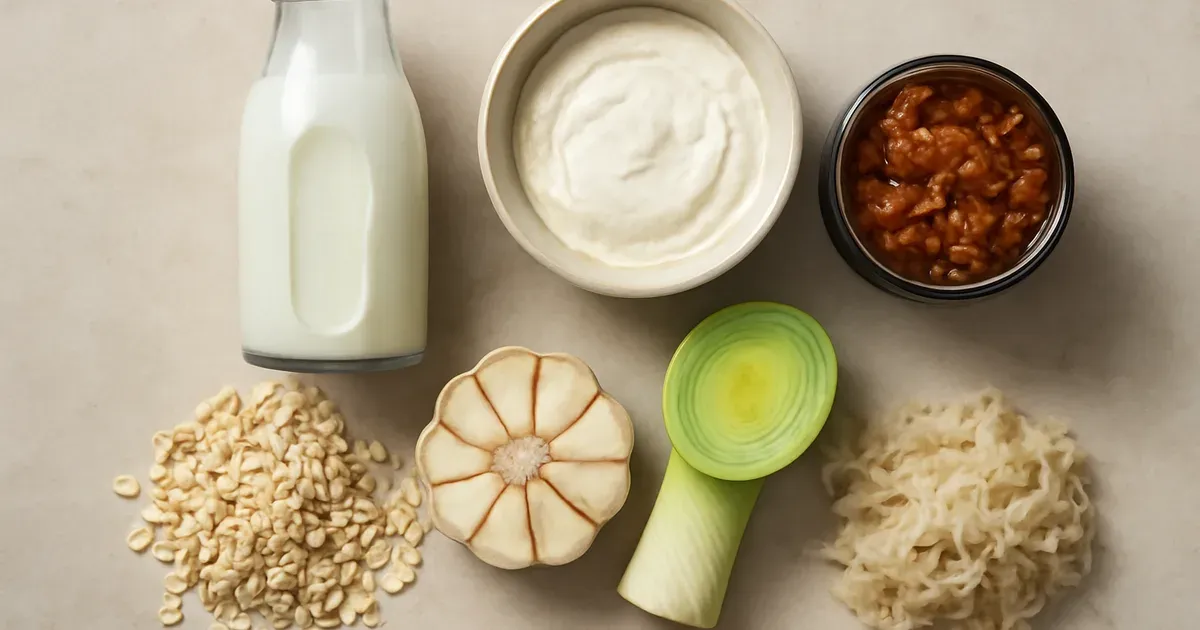
Your gut microbiome plays a quiet but important role here. Research from the University of Reading and King's College London on the British Gut Project has demonstrated that dietary patterns in the 48 hours preceding any GI stress event can modulate how the microbiome responds. A diet rich in prebiotic fibre — found in oats, leeks, garlic, and onions — in the days before a session may support a more resilient gut environment. This is not a guarantee, but it aligns with broader NHS gut health guidance around supporting microbiome diversity through whole-food dietary patterns.
Step 3: Address the Psychological Component Before It Addresses You
The gut-brain connection is bidirectional, and this is where it becomes practically powerful. Anxiety before a psilocybin session is entirely normal — and entirely capable of triggering the sympathetic nervous system cascade that worsens nausea. Structured psychological preparation is not merely a "nice to have"; in clinical protocols it is a core component of reducing adverse GI responses.
Breath-focused techniques have solid supporting evidence. Slow, diaphragmatic breathing activates the vagus nerve — the primary highway of the gut-brain connection — shifting the nervous system from sympathetic (fight or flight) dominance into parasympathetic (rest and digest) mode. Practising five to ten minutes of slow breathing (inhale for four counts, hold for four, exhale for six) before ingestion can meaningfully reduce anticipatory anxiety and its downstream GI effects.
Working with a trained facilitator is strongly recommended for anyone participating in a psilocybin therapy programme in the UK. The growing number of clinical trials at institutions including Imperial College London and UCL have demonstrated that therapeutic set and setting — the psychological and physical context of the session — directly influences both the psychedelic experience and the physiological side-effect profile. A calm, prepared mind creates a calmer gut.
Pro-tip: The gut-brain connection works in your favour here. Studies from Imperial College London's Centre for Psychedelic Research suggest that participants who engage in pre-session integration preparation report both lower anxiety and lower rates of severe nausea.

Step 4: Use Anti-Emetic Support Appropriately and Safely
In supervised clinical settings, anti-nausea medication is a legitimate and commonly used tool. Ondansetron — a 5-HT3 receptor antagonist widely used in NHS oncology settings — has been employed in some psilocybin trials to reduce nausea without significantly blunting the psychedelic experience. This reflects an important clinical acknowledgement: GI distress from psilocybin is real, physiologically grounded, and worth treating proactively.
Ginger is a well-evidenced natural anti-emetic that is worth considering for those outside formal clinical settings. The British Nutrition Foundation and NHS guidance both recognise ginger as having evidence-based anti-nausea properties. Ginger tea consumed 30–60 minutes before ingestion, or ginger capsules taken with a small amount of water, may reduce nausea onset without the need for pharmaceutical intervention.
Important caveats apply. Ondansetron itself is a serotonin receptor antagonist, and there is ongoing research into whether it partially attenuates some aspects of the psilocybin experience by competing at 5-HT3 receptor sites. Any use of pharmaceutical anti-emetics in the context of psilocybin therapy should be supervised by a qualified clinician. Self-medicating with prescription anti-emetics is not appropriate and may carry interaction risks, particularly for individuals with underlying gut health conditions being monitored through NHS pathways.
Step 5: Support Your Gut Microbiome in the Days Following a Session
Recovery matters as much as preparation when it comes to psilocybin gut health. The serotonergic disruption caused by psilocin does not end the moment the psychoactive effects resolve. The gut-brain axis may remain in a state of altered signalling for hours or days afterward, and supporting the microbiome during this window is an underappreciated aspect of post-session care.
Focus on easily digestible, fibre-rich foods in the 48–72 hours after a session. Fermented foods — live yoghurt, kefir, sauerkraut, kimchi — reintroduce beneficial bacteria that support gut lining integrity and serotonin precursor production. Research published from UK Biobank-linked cohorts has highlighted how tryptophan availability in the gut (the amino acid precursor to serotonin) is directly influenced by microbiome composition. Supporting microbial diversity through food is a direct investment in the gut-brain connection's ability to rebalance.
Avoid alcohol and highly processed foods for at least 72 hours post-session. Both disrupt microbial diversity and can extend the window of gut sensitivity. The NHS gut health guidance on dietary variety — eating 30 or more different plant foods per week — provides a practical framework for longer-term microbiome UK support that benefits both general gut health and the recovery environment after a psilocybin session.
What to Expect: A Phase-by-Phase Timeline
Phase 1 — First 30–60 minutes after ingestion: This is the highest-risk window for nausea. Psilocin is entering systemic circulation, serotonin receptor activation in the gut is peaking, and any anxiety-driven sympathetic activation is at its most acute. Lying on your side, maintaining slow breathing, and keeping the environment calm are the most effective tools here.
Phase 2 — 60–120 minutes (onset to peak): For most people, GI discomfort reduces significantly once the psychoactive experience is fully established. The serotonergic activity stabilises somewhat, and psychological engagement with the experience tends to shift attention away from somatic discomfort.
Phase 3 — Post-experience (4–8 hours onward): Mild stomach sensitivity, reduced appetite, and loose stools can persist for several hours. This is normal. Small sips of water, herbal tea (particularly peppermint or chamomile, both of which have evidence-based gut-soothing properties), and rest are appropriate.
Phase 4 — Days 1–3 post-session: Gut sensitivity should resolve fully within 72 hours for most individuals. Persistent symptoms beyond this point warrant attention — particularly in the UK where NHS gut health pathways offer accessible support for anyone experiencing ongoing GI distress.
Mistakes That Slow Your Progress
- Eating a large meal within two hours of ingestion — slows gastric emptying, dramatically increases nausea risk during psilocin absorption
- Ignoring pre-session anxiety — psychological stress directly activates the gut via the gut-brain connection; unaddressed anxiety reliably worsens GI symptoms
- Consuming raw, unprocessed mushrooms at high doses — maximises chitin and fungal protein load alongside serotonergic disruption; a double dose of gut irritation
- Using alcohol or cannabis to "take the edge off" beforehand — both alter gut motility and microbiome balance in ways that can compound, not reduce, nausea
- Neglecting post-session gut support — recovery nutrition is as important as preparation; skipping it extends the window of microbiome disruption
- Assuming all anti-emetics are interchangeable — receptor pharmacology matters; some anti-nausea drugs may interact with psilocybin's mechanism in ways that affect both safety and therapeutic outcome
What Can Help You Get There Faster
1. Gut-supportive nutrition tools Prebiotic and probiotic foods — kefir, live yoghurt, oats, garlic, leeks — support microbiome diversity and resilience before and after a session. The British Dietetic Association (BDA) publishes accessible guidance on prebiotic fibre sources suited to the British diet. A well-supported microbiome is genuinely better equipped to handle serotonergic disruption.
2. Vagus nerve and breathwork practices Apps and guided audio programmes focused on diaphragmatic breathing and vagal tone — such as those used in NHS-supported mindfulness-based stress reduction (MBSR) programmes — provide practical tools for shifting the nervous system into parasympathetic mode before a session. This is not supplementary; it is core gut-brain connection management.
3. Clinical support and harm reduction resources For those participating in psilocybin research trials in the UK, clinical teams at institutions such as Imperial College London and UCL offer structured pre- and post-session support. Harm reduction organisations operating in the UK also provide evidence-based preparation guidance for those engaging with psilocybin outside formal clinical frameworks. Seeking qualified support is always the recommended route.
Quick-Reference Summary
✅ Step 1: Select the lowest effective dose; choose tea or pharmaceutical-grade preparation over raw mushrooms ✅ Step 2: Eat lightly four to six hours before a session; prioritise prebiotic fibre in the preceding days ✅ Step 3: Practise diaphragmatic breathing and work with a trained facilitator to reduce anticipatory anxiety ✅ Step 4: Consider ginger as a natural anti-emetic; use pharmaceutical anti-emetics only under clinical supervision ✅ Step 5: Support your gut microbiome with fermented foods and plant diversity for 72 hours post-session
Your Next Step Starts in the Gut
Managing psilocybin's GI side effects is not about fighting the process — it's about working with your body's gut-brain connection rather than against it. Every step above draws on real pharmacology, real microbiome UK research, and real clinical experience from UK-based trials. The discomfort is manageable, the mechanisms are understood, and the tools are accessible. Whether you're preparing for a supervised session or supporting someone who is, this knowledge makes a concrete difference.
Ready to go deeper on gut-brain science and improve gut health naturally?
You might also like
- How to Boost Natural GLP-1 for Gut Health (No Drugs)
- Gut Health UK: Your Biggest Questions Answered
- Your Mouth Microbiome & Gut Health: The Link
Frequently Asked Questions
Does psilocybin permanently affect gut health or the microbiome?
Current evidence suggests psilocybin's effects on gut health are temporary rather than permanent. The serotonergic disruption caused by psilocin resolves as the compound is metabolised, typically within eight to twelve hours. There is no published clinical evidence that standard therapeutic doses of psilocybin cause lasting structural changes to the gut microbiome. However, UK microbiome research in this specific area is still in early stages — it remains an active area of interest for researchers including those working with the British Gut Project and MRC-funded programmes.
Why do some people experience more nausea than others with psilocybin?
Individual variation in serotonin receptor genetics and gut microbiome composition are the two most significant factors. Genetic polymorphisms in serotonin transporters and receptors mean that psilocin behaves differently between individuals at the receptor level. Separately, microbiome composition — which varies dramatically between people, as shown consistently by UK Biobank and British Gut Project data — influences both the metabolism of fungal compounds and baseline gut sensitivity. There is no single predictor, but people with pre-existing IBS or gut inflammation tend to report more pronounced GI symptoms.
Is it safe to take anti-nausea medication before a psilocybin session?
Only under clinical supervision. Ondansetron, the most commonly used anti-emetic in psilocybin trials, is a serotonin 5-HT3 antagonist — meaning it acts on the same serotonergic system that psilocin activates. There are theoretical and some empirical reasons to believe it may partially alter the therapeutic experience alongside reducing nausea. Ginger-based natural anti-emetics carry a lower pharmacological interaction risk. Anyone considering anti-emetic use should discuss it with the clinical team managing their psilocybin therapy programme.
Can improving gut health before a session reduce psilocybin nausea?
Yes — and this is one of the most actionable findings from the intersection of microbiome UK research and psychedelic science. A more diverse, resilient gut microbiome appears to buffer serotonergic disruption more effectively. Eating 30 or more different plant foods per week in the lead-up to a session — in line with NHS gut health guidance and British Dietetic Association recommendations — supports microbial diversity. Adding fermented foods in the days preceding a session provides additional benefit. This is an emerging area, but the gut-brain connection logic is sound and the dietary changes carry no downside.
Where can I find legitimate psilocybin therapy in the UK?
Psilocybin remains a Class A controlled substance in the UK, meaning it is currently only legally accessible through MHRA-approved clinical trials. Institutions including Imperial College London, UCL, and King's College London have run or are running psilocybin research programmes. The NHS does not currently prescribe psilocybin outside of trial settings. For up-to-date information on active trials, the NIHR (National Institute for Health and Care Research) clinical trials database and the websites of specific university research centres are the most reliable UK sources.
96 Bacterial Strains. Two Shots a Day.
GOODIE is an award-winning fermented drink with 96 live bacterial strains — more than any yogurt or kombucha — never pasteurised, clinically tested, and 8 in 10 users felt less bloating within 14 days. Curious?