How to Overcome Constipation: Gut Health Guide
Constipation affects up to 20% of adults. UK gut health experts link it to microbiome disruption and the gut-brain axis. NHS advice and fibre guidance explained

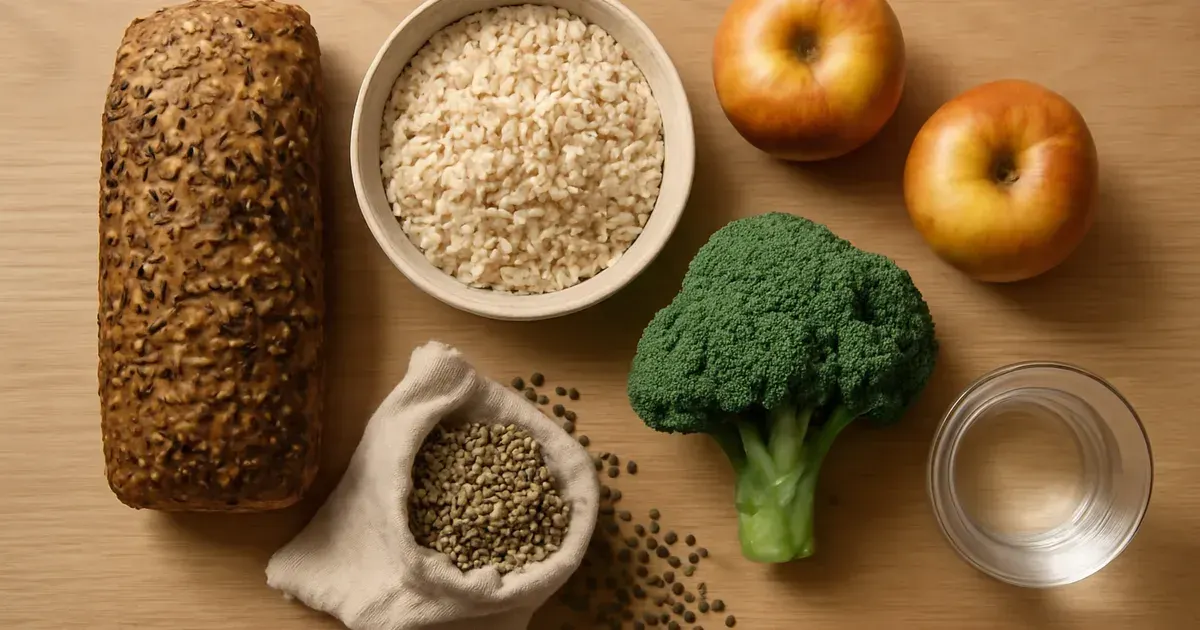
Constipation is one of the most common digestive complaints affecting adults, according to a report published by Bottom Line, Inc. and authored by Samita Garg. Between 10% and 20% of people in the United States experience constipation, and comparable figures are seen across the UK, where NHS data consistently identifies bowel disorders as a leading reason adults seek GP appointments. Experts urge anyone troubled by persistent symptoms not to delay speaking to a healthcare professional.
Why This Matters for Gut Health in the UK
Constipation is not merely an inconvenience — it is increasingly recognised as a signal of broader gut microbiome disruption, according to researchers in the field. UK microbiome research, including work conducted through the British Gut Project and studies at King's College London, has highlighted strong links between reduced gut microbial diversity and sluggish bowel function. In the UK, where ultra-processed food consumption has risen sharply, the gut health consequences of a low-fibre British diet are a growing public health concern flagged by the British Dietetic Association (BDA).
The Gut-Brain Connection and Constipation
Emerging science points to the gut-brain connection as a key factor in bowel regularity, per the source article and supporting microbiome research. The enteric nervous system — often called the "second brain" — communicates bidirectionally with the central nervous system, meaning that stress, anxiety, and poor sleep can directly slow gut motility. Researchers at University College London and the University of Cambridge have contributed to understanding how the gut-brain axis influences conditions including constipation, irritable bowel syndrome, and broader digestive dysfunction. This makes addressing mental wellbeing a legitimate part of any plan to improve gut health naturally.
What This Means for UK Adults
For health-conscious adults in the UK, the practical message is clear: addressing constipation means looking beyond laxatives. Increasing dietary fibre in line with the UK Eatwell Guide — the recommendation is 30g per day for adults — alongside adequate hydration, regular physical activity, and stress management, forms the foundation of evidence-based gut health support. The NHS advises patients to consult their GP if constipation persists for more than three weeks or is accompanied by other symptoms such as bleeding or unexplained weight loss.
Constipation remains underreported and undertreated in the UK, yet it is frequently manageable through lifestyle changes rooted in gut microbiome science. Anyone experiencing ongoing symptoms is encouraged to seek NHS guidance without embarrassment — timely conversations with a GP can rule out underlying conditions and open the door to effective, personalised support.
You might also like
- The Oral Microbiome: Your Biggest Questions Answered
- How to Eat an Anti-Inflammatory Diet for Gut Health
- Medications May Permanently Alter Gut Microbiome
96 Bacterial Strains. Two Shots a Day.
GOODIE is an award-winning fermented drink with 96 live bacterial strains — more than any yogurt or kombucha — never pasteurised, clinically tested, and 8 in 10 users felt less bloating within 14 days. Curious?