Psilocybin & Gut Health: The Gut-Brain Connection
Psilocybin disrupts serotonin signalling across the gut-brain axis, explaining its GI side effects. UK research is uncovering how the microbiome shapes individu

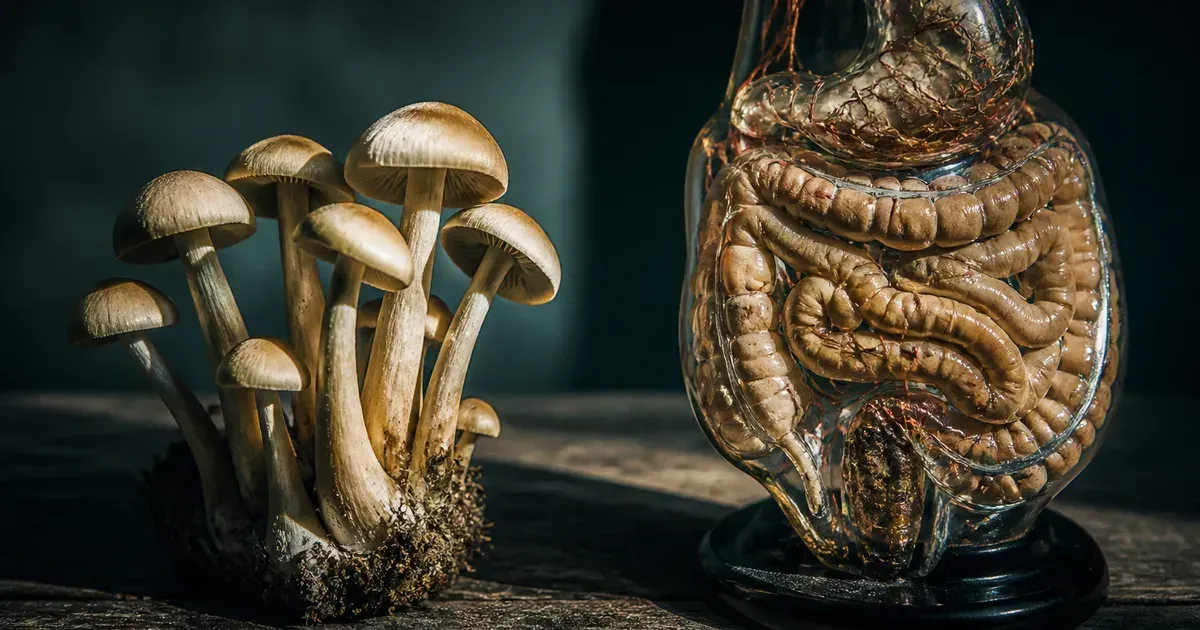
If you've ever felt your stomach churn before a nerve-wracking event, you already have a visceral understanding of the gut-brain connection. Now imagine that link being directly targeted by a potent psychoactive compound — one that reshapes serotonin signalling across both your mind and your digestive system simultaneously. That's precisely what happens when psilocybin enters the body, and it helps explain why gastrointestinal (GI) discomfort is one of the most consistently reported side effects of magic mushroom use.
As clinical research into psilocybin-assisted therapy accelerates — with trials underway at institutions including Imperial College London and the University of Oxford — understanding its effects on the gut has become increasingly important. This isn't just about managing an uncomfortable side effect. It's a window into how profoundly the gut-brain axis governs our entire physiological experience. For anyone interested in gut health in the UK, psilocybin's story offers some of the most compelling science around.
How Psilocybin Hijacks Your Serotonin System
Psilocybin itself is pharmacologically inert until the body converts it. After ingestion, the liver rapidly metabolises psilocybin into psilocin — its active form — which then floods the bloodstream and begins binding to serotonin receptors, most notably the 5-HT2A receptor. This binding is what produces the hallmark perceptual and cognitive shifts associated with psychedelic experiences.
Here's where the gut-brain connection becomes central. An estimated 90–95% of the body's total serotonin is not found in the brain at all — it's produced in the enterochromaffin cells lining the gut wall. The gut is, in a very real sense, a serotonin factory. When psilocin disrupts normal serotonin dynamics, it doesn't just alter consciousness; it sends ripple effects through the entire enteric nervous system — sometimes called the "second brain."
Researchers at King's College London and beyond have shown that the enteric nervous system contains over 100 million nerve cells and communicates bidirectionally with the central nervous system via the vagus nerve. Any compound that meaningfully shifts serotonin signalling — as psilocin does — has the potential to significantly alter gut motility, secretion, and sensitivity.
Why Psilocybin Causes Nausea and GI Distress
There is more than one mechanism at work when psilocybin triggers gut symptoms. Understanding each one separately helps explain why the experience varies so widely between individuals — and why improving gut health naturally before such an experience may matter more than previously thought.
Direct serotonin receptor activation in the gut is the primary driver. Psilocin binds not only to 5-HT2A receptors but to multiple serotonin receptor subtypes throughout the GI tract. This can ramp up peristalsis (the wave-like muscular contractions that move food along), stimulate the chemoreceptor trigger zone (a brain region that initiates vomiting), and heighten gut sensitivity — collectively producing nausea, cramping, and in some cases diarrhoea.
The physical composition of magic mushrooms compounds the problem. Psilocybin-containing fungi contain chitin in their cell walls — the same tough, fibrous polysaccharide found in insect exoskeletons. Humans lack the enzyme chitinase in sufficient quantities to break this down efficiently. Consuming raw or minimally processed fungal material can therefore irritate the GI lining directly, triggering inflammatory responses or mild immune reactions, particularly in those with pre-existing gut sensitivity.
Psychological factors add another layer entirely. Anticipatory anxiety before a potent psychedelic experience activates the sympathetic nervous system — the body's "fight or flight" response. This increases gastric acid secretion, slows digestion, and alters gut motility in ways that mirror anxiety-related IBS symptoms. The gut-brain connection means that what happens in the mind is immediately reflected in the gut, often before the compound has even begun to take full psychoactive effect.
The Microbiome's Role: Why Everyone Reacts Differently
One of the most exciting frontiers in UK microbiome research is individual variation — and psilocybin's GI effects offer a compelling case study. The British Gut Project, which has collected microbial data from tens of thousands of UK participants, has demonstrated just how dramatically gut microbiome composition differs between individuals. This diversity almost certainly influences how the body responds to psilocybin.
Genetic polymorphisms in serotonin receptors and transporters mean that some people are inherently more sensitive to serotonin-altering compounds. But the microbiome adds another dimension: gut bacteria help regulate serotonin production in enterochromaffin cells, metabolise fungal compounds, and modulate the inflammatory response to foreign substances like chitin. Someone with a robust, diverse microbiome — one rich in short-chain fatty acid-producing bacteria, for instance — may experience far milder GI symptoms than someone whose gut flora has been depleted by poor diet, antibiotics, or chronic stress.
Research from the University of Reading and University of Nottingham has linked higher dietary fibre intake to greater microbial diversity and a more resilient gut lining. If efforts to improve gut health naturally — through diet, prebiotics, and lifestyle — genuinely fortify the enteric nervous system, they may also reduce vulnerability to serotonin-mediated GI disruption from compounds like psilocybin.
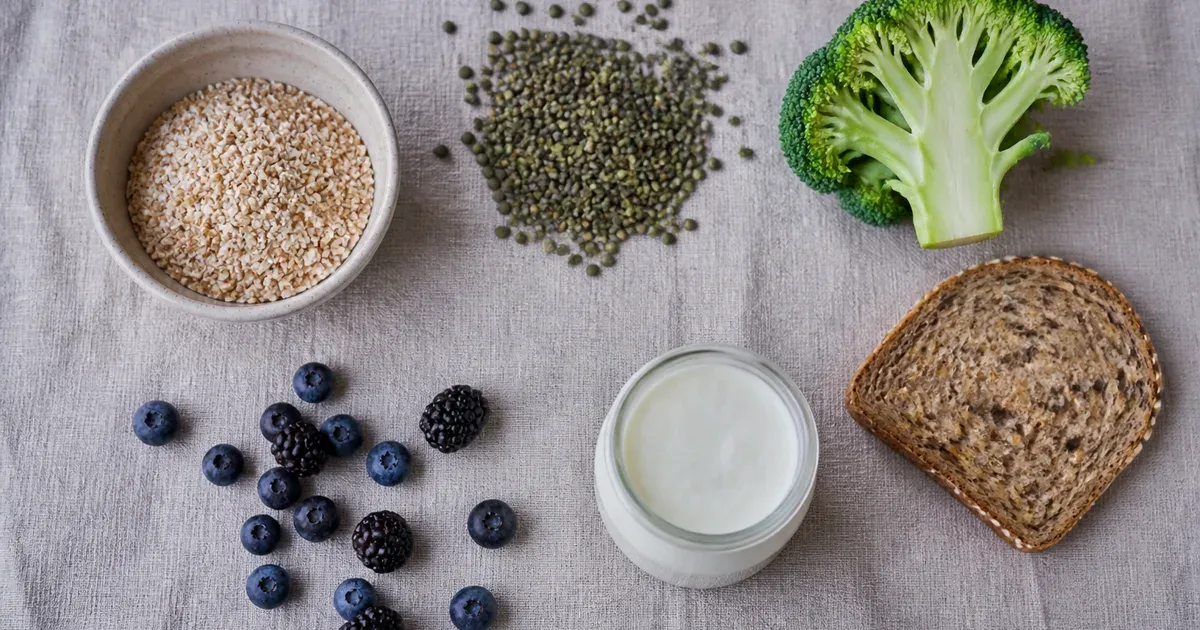
The NHS currently recognises the gut microbiome as a key area of emerging research, though formal clinical guidance on microbiome optimisation remains limited. The British Dietetic Association (BDA) recommends at least 30g of dietary fibre daily — a target most UK adults fail to meet — as a foundational step toward gut resilience. Meeting this target could have implications well beyond everyday digestive comfort.
Managing GI Symptoms: What the Clinical Evidence Suggests
In controlled psilocybin therapy settings, clinical trial teams have developed practical protocols to minimise GI discomfort. These aren't just comfort measures — they reflect a growing understanding of how the gut-brain connection shapes the entire therapeutic experience. A distressed, nauseous participant is unlikely to achieve the psychological states that make psilocybin therapy effective.
Preparation and dosing strategies currently in clinical use include:
- Lower starting doses to allow GI acclimatisation to psilocin's serotonergic effects
- Brewing mushrooms into tea and straining out solid matter, which significantly reduces chitin load while preserving psychoactive compounds
- Pre-session fasting (typically a light meal several hours before, or a full fast) to reduce food-related nausea — though fasting protocols must be adapted for individuals with underlying health conditions, as the NHS advises caution with prolonged fasting
- Pharmaceutical-grade psilocybin capsules, used in regulated trials, which eliminate fungal material entirely and allow precise dosing
- Anti-emetic medication such as ondansetron, administered under medical supervision in clinical trial settings
- Psychological preparation — breathwork, meditation, and guided facilitation — to dampen sympathetic nervous system activation and its GI consequences
The mind-body dimension of this list deserves emphasis. Psychological preparation isn't a soft add-on; it's pharmacologically relevant. Reducing pre-session anxiety directly alters the neurochemical environment of the gut before psilocybin is even ingested. This is the gut-brain connection operating in real time, and it underscores why mental state — "set," in psychedelic research terminology — is considered as important as the substance itself.

What Future Research Needs to Address
The UK is well-positioned to lead on psilocybin-gut research. Imperial College London's Centre for Psychedelic Research has pioneered brain imaging studies of psilocybin's effects, while the Wellcome Trust and MRC (Medical Research Council) have both funded related neuroscience and mental health programmes. Extending this framework to systematic GI data collection — tracking symptom severity, duration, and correlation with dose and microbiome composition — would significantly advance understanding.
Standardised pharmaceutical formulations will be essential as psilocybin moves closer to regulated clinical use in the UK. The variability inherent in raw mushroom preparations — differing chitin content, varying psilocybin concentrations, additional fungal compounds — introduces confounders that make it difficult to draw clean conclusions about GI tolerability. Purified formulations remove these variables and allow researchers to isolate psilocybin's direct pharmacological effects on the gut.
Perhaps the most compelling future direction is the intersection of psilocybin research and microbiome science. If the composition of an individual's gut flora influences how they metabolise fungal compounds, respond to serotonin shifts, and manage GI inflammation, then microbiome profiling could one day inform personalised psilocybin therapy protocols. In the UK, existing datasets from the British Gut Project and UK Biobank could provide the population-level foundation for exactly this kind of research.
Frequently Asked Questions
## Why does psilocybin cause nausea?
Psilocybin is converted in the body to psilocin, which activates serotonin receptors throughout the gut as well as the brain. Because roughly 90–95% of the body's serotonin is produced in the gut, this serotonergic disruption can increase gut motility and stimulate the brain's vomiting centre, leading to nausea, cramping, or queasiness.
## Does the gut microbiome affect how someone responds to psilocybin?
Evidence suggests yes. Gut bacteria help regulate serotonin production, metabolise foreign compounds including fungal material, and modulate gut inflammation. Individuals with a more diverse, resilient microbiome may experience milder GI side effects. Research from UK institutions and projects like the British Gut Project continues to explore this link.
## Can improving gut health reduce psilocybin-related GI symptoms?
Plausibly. A gut lining strengthened by dietary fibre, diverse gut flora, and reduced chronic inflammation may be more resilient to serotonin-mediated disruption and chitin irritation. While direct clinical evidence is still emerging, the British Dietetic Association's recommendation of 30g of fibre daily represents a reasonable foundational strategy for overall gut resilience.
## Is psilocybin legal in the UK?
Psilocybin is currently a Class A controlled substance in the UK, making possession and supply illegal outside of licensed research settings. Clinical trials are conducted under special Home Office licences. This article is for informational purposes only and does not constitute medical or legal advice.
## How do clinical trials manage psilocybin's GI side effects?
Controlled trials typically use a combination of strategies: pre-session fasting or light eating, pharmaceutical-grade psilocybin capsules (eliminating raw fungal matter), anti-emetic medications such as ondansetron where necessary, and psychological preparation to reduce anxiety-driven gut symptoms. These protocols reflect the well-documented role of the gut-brain connection in mediating psilocybin's physiological effects.
The Bottom Line
Psilocybin's effects on the gut are not a side note — they are a direct consequence of its core pharmacology. Because the gut-brain connection is mediated so heavily by serotonin, and because psilocin is a potent serotonin receptor agonist, GI disruption is essentially baked into the compound's mechanism of action. Add the physical irritation of raw fungal material, individual microbiome variation, and anxiety-driven sympathetic activation, and it becomes clear why some people find the GI experience of psilocybin challenging.
For those interested in gut health in the UK, psilocybin research offers a vivid illustration of how intimately the gut and brain are linked — and how profoundly the microbiome shapes our physiological responses. Whether or not psilocybin ever becomes part of your personal health story, the science it is generating about serotonin, the enteric nervous system, and microbial diversity is enriching our understanding of gut health for everyone.
Disclaimer: This article is for informational purposes only and does not constitute medical advice. Psilocybin is a Class A controlled substance in the UK. If you have concerns about its effects or legality, consult a qualified medical or legal professional.
You might also like
- Microbiome Science Drives Viome's Disease Prevention Push
- New Mouth-to-Body Institute Links Oral and Gut Health
- How to Improve Your Oral Microbiome for Gut Health
96 Bacterial Strains. Two Shots a Day.
GOODIE is an award-winning fermented drink with 96 live bacterial strains — more than any yogurt or kombucha — never pasteurised, clinically tested, and 8 in 10 users felt less bloating within 14 days. Curious?