Psilocybin & Gut Health: Your Biggest Questions Answered
Why does psilocybin upset the gut? Explore the gut-brain connection, microbiome role & UK clinical research in this evidence-based FAQ.

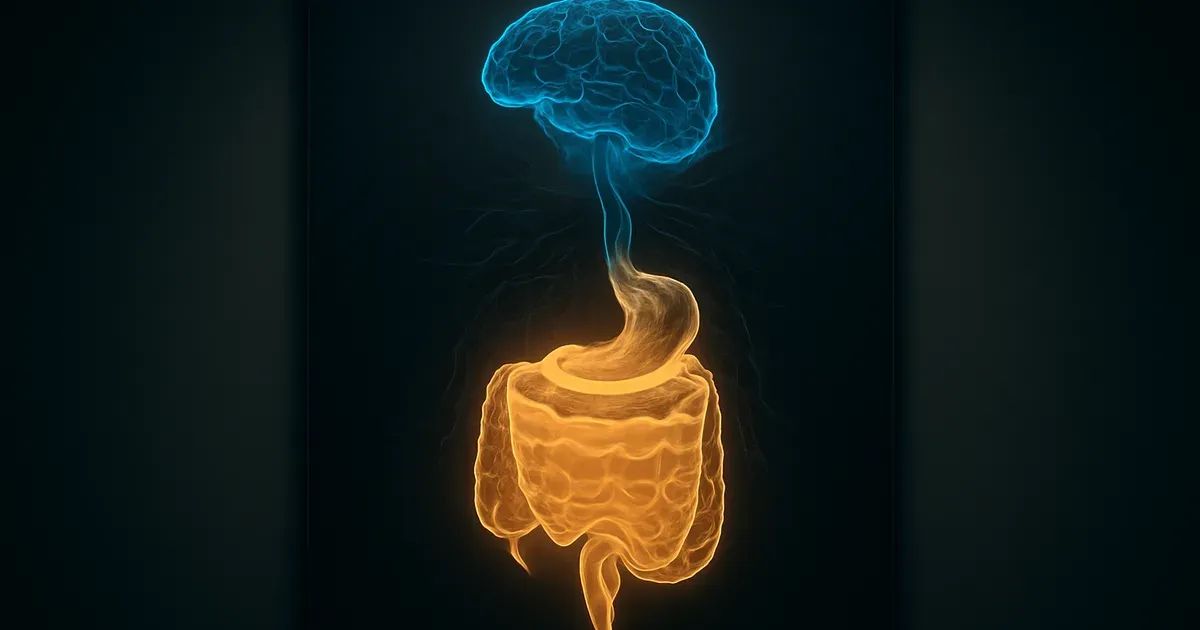
If you've read about psilocybin-assisted therapy and found yourself wondering why so many people report stomach troubles alongside the psychedelic effects, you're not alone. The relationship between psilocybin, the gut-brain connection, and the microbiome is genuinely complex — and the science is still catching up. This guide addresses the most common questions, separating well-evidenced findings from speculation, so you can understand what's actually happening in your gut.
Jump to a Question
Why does psilocybin cause nausea and stomach upset?
What is the gut-brain connection, and how does psilocybin affect it?
Does the gut microbiome influence how someone reacts to psilocybin?
Is psilocybin tea better for gut health than eating raw mushrooms?
Can anxiety before a psilocybin session make GI symptoms worse?
How do clinical trials manage psilocybin-related gut symptoms?
What practical steps can reduce gut discomfort from psilocybin?
What does the future of psilocybin and gut microbiome research look like?
Why does psilocybin cause nausea and stomach upset?
Psilocybin causes nausea and stomach upset primarily because its active metabolite, psilocin, directly stimulates serotonin receptors throughout the gastrointestinal tract. When ingested, psilocybin is rapidly converted — largely in the liver — into psilocin, which then binds to multiple serotonin (5-HT) receptor subtypes, not only in the brain but also along the gut wall.
This matters enormously because the gut is not a passive bystander in serotonin signalling. An estimated 90–95% of the body's entire serotonin supply is produced in specialised enterochromaffin cells lining the gastrointestinal tract. Disturbing this system can accelerate intestinal motility (peristalsis), alter fluid secretion, and stimulate the chemoreceptor trigger zone — all of which contribute to feelings of queasiness, cramping, or the urge to vomit.
Beyond serotonin, the physical composition of psilocybin-containing mushrooms adds a further layer of irritation. Mushroom cell walls are rich in chitin, an indigestible fibrous substance, alongside various polysaccharides and proteins. These can irritate the gut lining and trigger mild inflammatory or allergic responses in susceptible individuals, independently of any psychoactive effect.
What is the gut-brain connection, and how does psilocybin affect it?
The gut-brain connection — sometimes called the gut-brain axis — is the bidirectional communication network linking the central nervous system with the enteric nervous system (the "second brain" embedded in the gut wall). This network uses neural, hormonal, and immune signalling pathways, with serotonin playing a starring role at both ends.
Psilocybin disrupts this axis at multiple points simultaneously. Psilocin activates 5-HT2A receptors in the brain, producing its well-known psychedelic effects. At the same time, serotonin receptor activation in the gut wall alters motility and secretion — demonstrating that the gut-brain connection is not merely a metaphor but a literal pharmacological reality.
Research from institutions including King's College London and Imperial College London has highlighted how tightly mood, cognition, and gut function are intertwined. In the UK, growing interest in the gut-brain connection has spilled over into psilocybin research, with investigators asking whether therapeutic effects on depression might partly involve gut-level serotonin changes. The honest answer is that we do not yet know — but it is a compelling and active area of enquiry.
Does the gut microbiome influence how someone reacts to psilocybin?
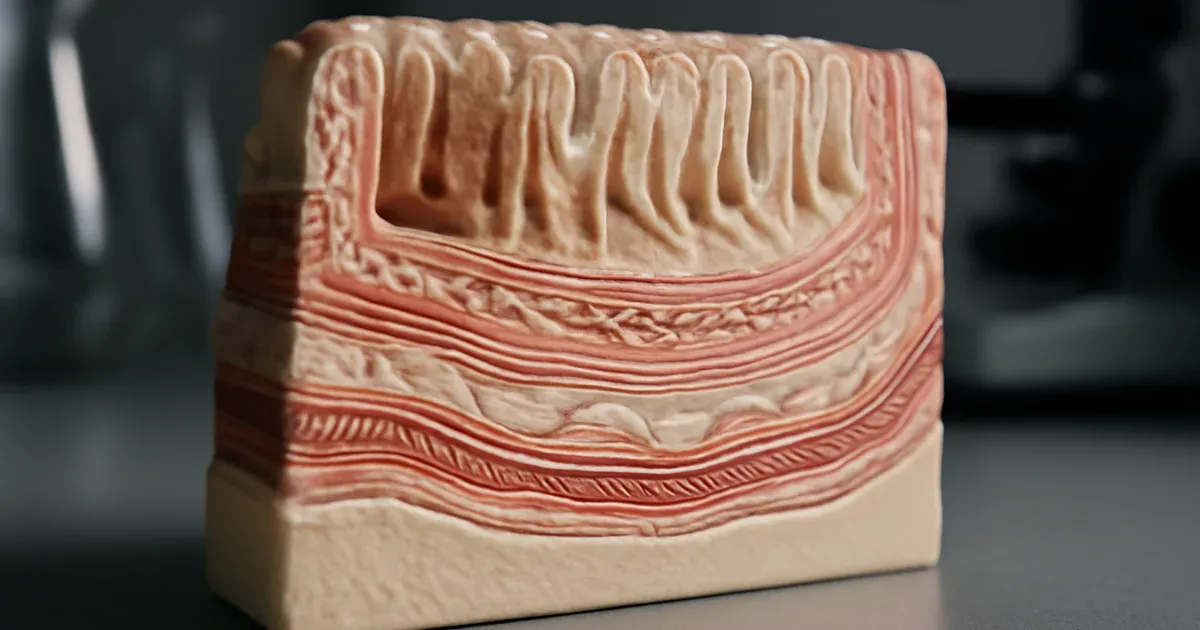
Individual variation in gut microbiome composition is increasingly recognised as a factor that may influence how a person metabolises psilocybin and experiences its gastrointestinal side effects. The gut microbiome — the vast community of bacteria, fungi, viruses, and other microorganisms residing in the intestines — is unique to every individual, much like a fingerprint.
The microbiome shapes gut motility, immune reactivity, and even the availability of serotonin precursors such as tryptophan. Because psilocin interacts directly with serotonin dynamics, a gut environment that is already dysregulated — producing less serotonin or exhibiting higher baseline inflammation — may amplify GI distress.
The British Gut Project, a citizen-science initiative that has mapped microbiome diversity across tens of thousands of UK participants, has underscored just how variable the gut ecosystem is in the British population. This diversity likely explains why one person experiences mild queasiness after psilocybin while another feels significant cramping at the same dose. Microbiome UK research also points to diet, antibiotic history, and stress as key modulators — all factors that interact with the gut-brain axis before a psilocybin session even begins.
- High-fibre, plant-rich diets tend to support microbial diversity and may buffer GI reactivity.
- Antibiotic use can deplete protective bacterial populations, potentially heightening sensitivity.
- Chronic stress shifts the microbiome in ways that increase gut permeability and inflammation.
Is psilocybin tea better for gut health than eating raw mushrooms?
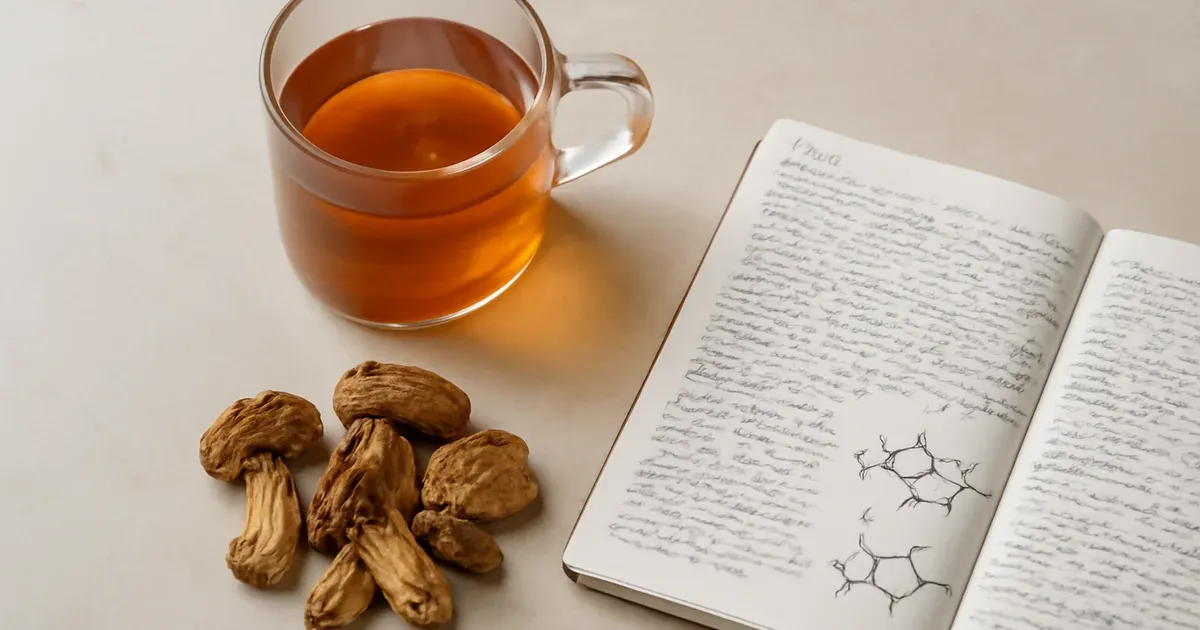
Brewing psilocybin-containing mushrooms into a tea and straining out the solids appears to reduce gastrointestinal discomfort compared with eating raw or dried mushroom material. The primary reason is a reduction in the load of chitin, fungal polysaccharides, and other indigestible compounds that directly irritate the gut lining.
Because psilocybin is water-soluble, a significant proportion of the psychoactive compound transfers into the liquid. The remaining solid fungal matter — responsible for much of the physical GI irritation — is discarded. This means the user still receives the psychoactive dose with a reduced burden of raw fungal material to digest.
Pharmaceutical-grade formulations, such as standardised psilocybin capsules used in clinical trials (including those run at Imperial College London and institutions within the UK), take this a step further by delivering a precise, purified dose entirely free from fungal material. The table below summarises the key differences.
| Preparation Method | Fungal Material | Dose Precision | GI Irritation Risk |
|---|---|---|---|
| Raw / dried mushrooms | High | Low | Higher |
| Mushroom tea (strained) | Low | Moderate | Lower |
| Standardised capsule (clinical) | None | High | Lowest |
| Lemon tek (acidic extraction) | Low | Moderate | Variable |
Note: This table is for informational purposes only. Psilocybin remains a Class A controlled substance in the UK.
Can anxiety before a psilocybin session make GI symptoms worse?
Yes — pre-session anxiety can meaningfully amplify gastrointestinal symptoms through well-established psychophysiological mechanisms linked to the gut-brain connection. Anticipatory stress activates the sympathetic nervous system (the "fight or flight" response), which increases gastric acid production, alters gut motility, and heightens visceral sensitivity.
This is the same mechanism behind familiar experiences such as "butterflies in the stomach" before a job interview or urgent bowel movements before a stressful event. For someone about to take a substance known to produce powerful perceptual changes, the anticipatory anxiety can be considerable — creating a physiological environment in the gut that is primed for distress even before psilocybin is ingested.
The gut-brain axis runs both ways. An already-anxious gut can feed signals back to the brain that heighten psychological unease, potentially intensifying the psychedelic experience in unwanted directions. This feedback loop is one reason why properly trained facilitators, as used in UK clinical trials, place significant emphasis on psychological preparation, mindful breathing, and creating a calm "set and setting" before a session begins.
How do clinical trials manage psilocybin-related gut symptoms?
In controlled clinical settings, psilocybin-related gastrointestinal symptoms are managed through a combination of dietary preparation, standardised dosing, and in some cases anti-emetic medication. UK-based trials — including landmark research at Imperial College London's Centre for Psychedelic Research — routinely ask participants to consume only a light meal or to fast for several hours before receiving psilocybin.
Anti-nausea medications such as ondansetron, which itself acts on serotonin receptors (specifically 5-HT3), are sometimes used under medical supervision to reduce vomiting risk. The choice of anti-emetic is deliberate: 5-HT3 antagonists can blunt some of the peripheral serotonin activity driving GI upset without fully negating the central psychedelic effects mediated via 5-HT2A receptors.
Systematic data collection on GI symptoms — including severity, duration, and relationship to dose — is an emerging priority as psilocybin moves closer to potential regulatory approval. The NHS currently has no approved psilocybin pathway, but NICE (the National Institute for Health and Care Excellence) is watching international regulatory developments closely, and several UK universities are contributing to the evidence base.

What practical steps can reduce gut discomfort from psilocybin?
Several evidence-informed strategies can reduce gut discomfort associated with psilocybin, ranging from preparation methods to psychological readiness. It is important to stress that psilocybin is a Class A controlled substance in the UK, and these considerations are relevant primarily in the context of clinical research or future approved therapeutic use.
Key approaches supported by current understanding include:
- Start with a lower dose. The dose-response relationship for GI side effects can be steep — small increases in dose may produce disproportionately greater gut disturbance.
- Opt for tea or standardised preparations. Straining out solid fungal material reduces chitin load and associated gut irritation.
- Consider pre-session fasting. Ingesting psilocybin on an empty or lightly fed stomach reduces food-related nausea, though fasting protocols should be adjusted for individuals with diabetes, eating disorders, or other relevant conditions.
- Address psychological readiness. Mindful breathing, meditation, and working with a trained facilitator can reduce anticipatory anxiety — and through the gut-brain connection, this directly lowers GI reactivity.
- Discuss anti-emetics with a clinician. In a supervised clinical setting, anti-nausea medication may be appropriate and should be managed by a qualified healthcare professional.
Improving gut health naturally before any planned clinical exposure — through a fibre-rich British diet, adequate hydration, and stress management — may also provide a more resilient gut environment. The UK Eatwell Guide recommends 30g of dietary fibre per day; most UK adults fall well short of this target.
What does the future of psilocybin and gut microbiome research look like?
Future research is likely to focus on how the gut microbiome modulates both the therapeutic effects and the side-effect profile of psilocybin — a question that sits squarely at the intersection of psychedelic medicine and microbiome science. This is an emerging frontier with significant implications for improve gut health naturally initiatives and precision psychiatry alike.
Several threads are worth watching:
- Microbiome profiling before and after psilocybin sessions could reveal whether psilocin shifts bacterial populations — positively or negatively — with downstream effects on mood and gut function.
- Tryptophan metabolism by gut bacteria is known to influence serotonin availability. Understanding how individual microbiome profiles alter psilocin's pharmacokinetics could explain why some people experience intense GI distress while others feel almost nothing.
- UK Biobank and British Gut Project data offer world-class population-level resources that could, in principle, be linked to psilocybin trial outcomes to identify microbiome signatures associated with better tolerability or stronger therapeutic response.
Institutions such as the University of Reading — a global leader in gut microbiota research — and the MRC-funded teams at University of Cambridge and UCL are well-placed to contribute to this work. As psilocybin edges closer to potential clinical use in the UK, characterising the gut-brain connection within a microbiome framework will be essential for personalising treatment and minimising adverse effects.
Bottom Line
- Psilocybin causes GI distress primarily through psilocin's direct activation of serotonin receptors throughout the gut, altering motility and triggering nausea.
- The gut-brain connection is central — serotonin is not just a brain chemical; 90–95% of the body's supply lives in the gut, making any serotonergic drug a GI-active one.
- Your gut microbiome matters. Individual differences in microbial composition, shaped by diet and lifestyle, likely explain much of the variation in how people respond to psilocybin.
- Preparation method makes a difference. Tea or standardised capsules reduce the fungal-material burden that contributes to physical gut irritation.
- Psychological preparation reduces GI symptoms by dampening sympathetic nervous system activation through the gut-brain axis.
- UK clinical research is active but psilocybin remains a Class A controlled substance — any therapeutic use occurs only within approved trial settings.
Disclaimer: This article is for informational purposes only and does not constitute medical advice. Psilocybin is a Class A controlled substance under the Misuse of Drugs Act 1971 in the UK. If you have questions about psilocybin, its effects, or its legal status, consult a qualified medical or legal professional.
Curious about the gut-brain axis and emerging therapies? Explore more evidence-based guides on gut health UK, microbiome science, and the gut-brain connection below.
You might also like
- How to Improve Gut Health Naturally in 6 Steps
- How to Improve Your Oral Microbiome for Gut Health
- 7 Fibre-Rich Foods to Improve Gut Health Naturally
96 Bacterial Strains. Two Shots a Day.
GOODIE is an award-winning fermented drink with 96 live bacterial strains — more than any yogurt or kombucha — never pasteurised, clinically tested, and 8 in 10 users felt less bloating within 14 days. Curious?