Psilocybin & Gut Health: The Gut-Brain Connection
Psilocybin triggers gut symptoms via serotonin receptor activation, fungal chitin, and the gut-brain axis. Here's the science explained for a UK audience.

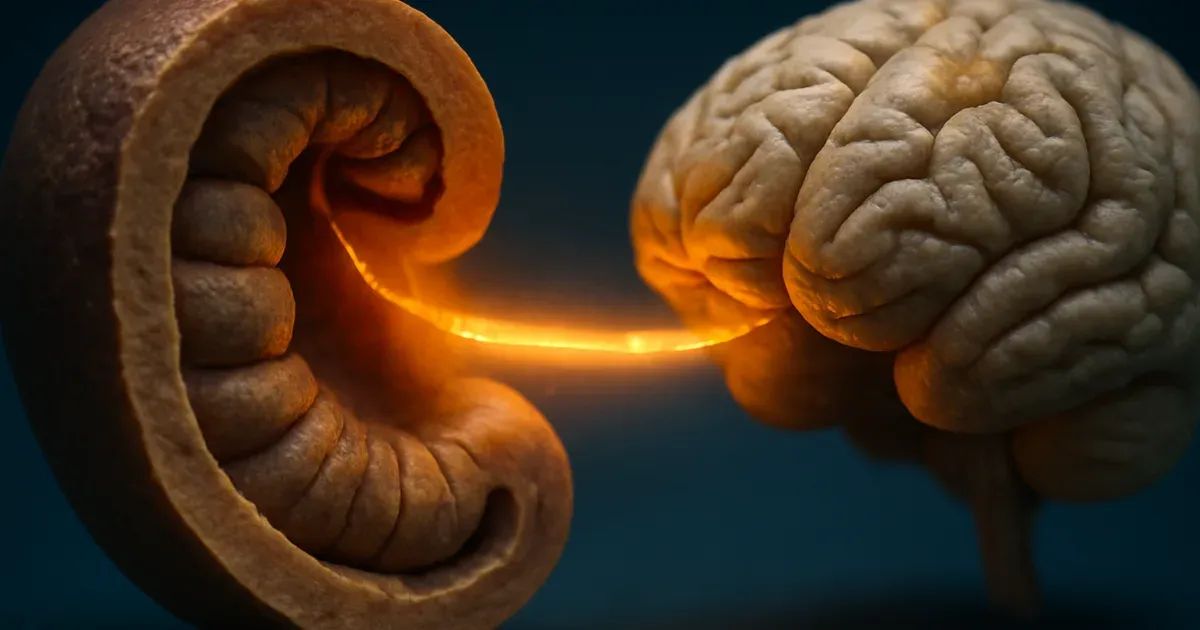
If you have ever felt your stomach drop before a nerve-wracking event, you have experienced the gut-brain connection in action. That same two-way communication network is precisely why psilocybin — the psychoactive compound in "magic mushrooms" — reliably triggers gastrointestinal (GI) symptoms alongside its profound mental effects. Understanding why this happens is not just an academic exercise. It sits at the heart of microbiome science, serotonin biology, and the future of psychedelic-assisted therapy in the UK and beyond.
Clinical interest in psilocybin has accelerated dramatically in recent years. Trials at Imperial College London and King's College London have explored its potential for treatment-resistant depression and end-of-life anxiety. Yet nausea, stomach cramps, and general GI discomfort remain among the most consistently reported side effects — and they are deeply rooted in the same serotonergic biology that makes psilocybin therapeutically interesting in the first place.
Why the Gut Is a Serotonin Powerhouse
The gut-brain connection is not a metaphor — it is a densely wired physiological reality. An estimated 90–95% of the body's serotonin is produced not in the brain but in enterochromaffin cells lining the intestinal wall. This means the gut is, in a very real sense, the body's primary serotonin factory.
Serotonin in the gut governs motility (the muscular contractions that move food along), fluid secretion, and pain sensitivity. When anything disrupts serotonin signalling — whether stress, illness, or a pharmacological compound — the GI tract responds. This is one reason why antidepressants that modulate serotonin (SSRIs) frequently cause nausea or altered bowel habits, particularly in the first weeks of use. The NHS acknowledges GI side effects as a standard feature of serotonergic medications.
Psilocybin works through precisely this system. After ingestion, the body rapidly converts psilocybin (in the liver) into its active form, psilocin. Psilocin is a potent agonist at 5-HT2A receptors — the target responsible for its psychedelic effects — but it also activates several other serotonin receptor subtypes throughout the gut wall. The result is a cascade of unintended GI consequences that run parallel to the intended neurological ones.
Three Pharmacological Reasons Psilocybin Upsets the Gut
The GI distress associated with psilocybin is multi-factorial, meaning there is no single mechanism to blame. At least three overlapping pharmacological and physiological pathways contribute.
First, direct serotonin receptor activation in the gut. Psilocin stimulates 5-HT receptors in the intestinal wall, which can accelerate peristalsis (the wave-like muscle contractions that propel gut contents), increase fluid secretion, and stimulate the chemoreceptor trigger zone — a brain region that coordinates the vomiting reflex. The outcome for many users is cramping, queasiness, loose stools, or outright nausea within the first hour of ingestion.
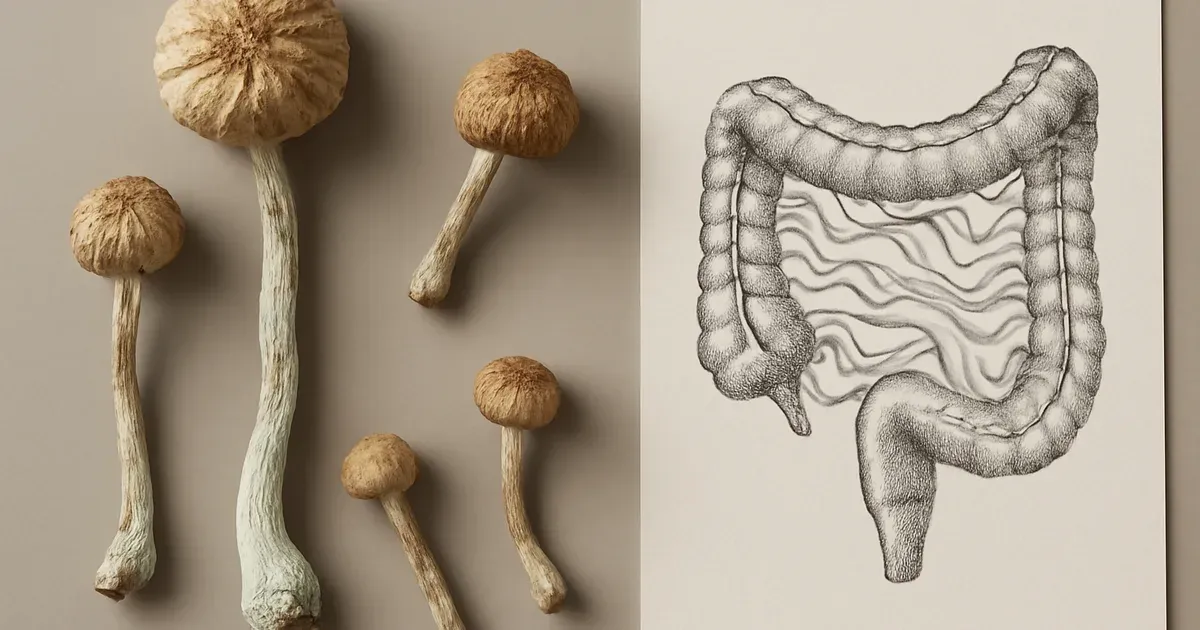
Second, the raw fungal material itself causes irritation. Psilocybin-containing mushrooms have cell walls rich in chitin — an indigestible, fibrous polysaccharide also found in crustacean shells. Consuming raw mushroom matter means the gut must contend with this structural compound, which can irritate the intestinal lining directly. Additional polysaccharides and proteins present in mushroom tissue can also provoke mild inflammatory responses or sensitivity reactions in susceptible individuals.
Third, psychological anticipation amplifies physical symptoms. The sympathetic nervous system — the body's "fight or flight" mechanism — is closely integrated with gut function. Pre-session anxiety, which is common among people taking psilocybin for the first time, can increase gastric acid production and alter motility before a single milligram has been absorbed. This mind-body feedback loop is a well-documented feature of the gut-brain axis, and it means that psychological state at the time of ingestion directly shapes GI experience.
The Microbiome Variable: Why Individuals Respond Differently
One of the most fascinating — and still under-researched — aspects of psilocybin's GI effects is individual variability. Two people taking identical doses in identical settings can have dramatically different gut experiences. Microbiome science offers a compelling explanation.
The gut microbiome — the vast community of bacteria, fungi, and other microorganisms inhabiting the intestinal tract — varies substantially between individuals. In the UK, the British Gut Project (now part of the ZOE platform, developed from research at King's College London) generated some of the world's largest microbiome datasets, confirming that dietary habits, antibiotic history, genetics, and geography all shape the microbial landscape of the gut. This diversity matters because gut bacteria actively participate in serotonin metabolism, modulate intestinal immune responses, and influence how dietary compounds (including fungal polysaccharides) are broken down.
Genetic polymorphisms in serotonin transporters and receptor subtypes add another layer of complexity. Some individuals carry variants that alter how efficiently serotonin is cleared from the synapse or how sensitively 5-HT receptors respond to agonists like psilocin. Research from the University of Oxford and UCL has contributed to our understanding of these receptor pharmacogenomics, though specific data on psilocin sensitivity remains limited.
This is where gut health UK researchers have an important contribution to make. As psilocybin moves towards potential clinical licensing in the UK — a process that remains ongoing, with psilocybin currently classified as a Schedule 1 controlled substance — understanding who is most susceptible to GI side effects will be essential for safe administration protocols. The MRC and Wellcome Trust have both funded research programmes exploring psychedelic pharmacology, and GI tolerability is an increasingly recognised component of that work.
Practical Strategies Used in Clinical Settings
In supervised clinical trials, managing psilocybin-related GI symptoms is treated as a standard part of the protocol. Participants at Imperial College London's Centre for Psychedelic Research, for example, follow dietary guidelines before sessions, and anti-nausea medications such as ondansetron may be available. These practical measures reflect accumulated clinical wisdom about the predictable GI burden of psilocybin.
Several evidence-informed approaches have emerged from this experience:
- Dose calibration: Starting with a lower dose allows the body — and the gut — to acclimate to psilocin's serotonergic effects. The dose-response curve for psilocybin can be steep, meaning moderate increases in dose can produce disproportionately greater side effects, including GI ones.
- Preparation method: Brewing mushrooms into a tea and straining out the solids reduces the load of raw fungal material delivered to the gut, while still delivering psychoactive psilocybin. Pharmaceutical-grade psilocybin capsules (as used in clinical trials) eliminate chitin exposure entirely.
- Pre-session fasting: Taking psilocybin on a light or empty stomach reduces food-related nausea triggers. Most clinical protocols recommend a light meal several hours before, or partial fasting, though this should be approached cautiously by individuals with metabolic or health conditions.
- Psychological preparation: Addressing pre-session anxiety through breathwork, mindfulness, or facilitated preparation sessions can meaningfully reduce sympathetic nervous system activation — and thereby reduce anticipatory GI symptoms. The gut-brain connection runs both ways, which means calming the mind has a measurable effect on gut behaviour.
- Anti-emetics under medical supervision: Where GI symptoms are severe, medications that block serotonin-mediated nausea signals can be used safely within a controlled clinical environment.

What Future Research Needs to Address
The GI effects of psilocybin have historically been treated as an inconvenient footnote in research primarily focused on psychological outcomes. That is beginning to change, and rightly so — understanding the gut dimension of psilocybin is both clinically important and scientifically rich.
Several research priorities stand out. Systematic collection of GI symptom data (severity, onset, duration, correlation with dose and preparation method) across clinical trials would allow clearer guidance to be developed. The British Dietetic Association and British Nutrition Foundation could play a meaningful role in shaping pre-session nutritional protocols as psychedelic therapy moves towards wider clinical application in the UK.
Microbiome-focused studies represent a particularly promising frontier. If specific microbial profiles correlate with greater or lesser GI sensitivity to psilocybin, it may be possible to use pre-treatment microbiome screening to personalise administration protocols. Researchers at the University of Reading and the University of Nottingham — both with strong microbiome research programmes — are well placed to contribute here.
Standardised pharmaceutical formulations will also help. As psilocybin therapy edges towards potential NHS pathway integration, consistent dosing and delivery formats will reduce the variability that currently makes GI side effects difficult to predict and manage. Purified psilocybin capsules, free of raw fungal material, remove one of the three main mechanistic contributors to gut upset entirely.
The Bottom Line
Gastrointestinal distress after psilocybin is not random or mysterious — it is a direct consequence of pharmacology. Psilocin activates serotonin receptors throughout the gut, raw fungal chitin irritates the intestinal lining, and psychological anticipation fires up the sympathetic nervous system. All three pathways converge on the same outcome: an unsettled gut.
But the gut-brain connection that makes psilocybin so physiologically disruptive is also precisely why it is therapeutically interesting. The same serotonin system that produces nausea in the first hour of a session is implicated in mood regulation, emotional processing, and the neuroplasticity changes that researchers believe underlie psilocybin's antidepressant effects. Understanding the gut dimension of psilocybin is not separate from understanding its therapeutic potential — it is part of the same story.
For health-conscious UK adults following the developing science of gut health and the microbiome, psilocybin offers a vivid case study in just how deeply the gut and brain are intertwined. As UK microbiome research matures and clinical trials expand, clearer guidance on improving tolerability — and harnessing the gut-brain axis more broadly — will follow.
Disclaimer: This article is for informational purposes only and does not constitute medical advice. Psilocybin is currently a Schedule 1 controlled substance in the UK. If you have concerns about psilocybin, its effects, or its legal status, consult a qualified medical or legal professional.
You might also like
- How to Control Mouth Bacteria Naturally
- Your Oral Microbiome Questions Answered
- How to Improve Gut Health with Breathwork Daily
96 Bacterial Strains. Two Shots a Day.
GOODIE is an award-winning fermented drink with 96 live bacterial strains — more than any yogurt or kombucha — never pasteurised, clinically tested, and 8 in 10 users felt less bloating within 14 days. Curious?